

OpenAI’s Head of Safety Is Leaving the Company
THE SO WHAT
When a lab folds safety deeper into core research while its safety lead exits, it’s a signal that governance is shifting from a separate function to an embedded constraint. If you’re buying or integrating from any frontier lab, update your vendor diligence questions to focus on how safety decisions are now made, documented, and escalated inside the org.
READ THE SOURCE
MORE FROM THE WIRE
 Applied AI
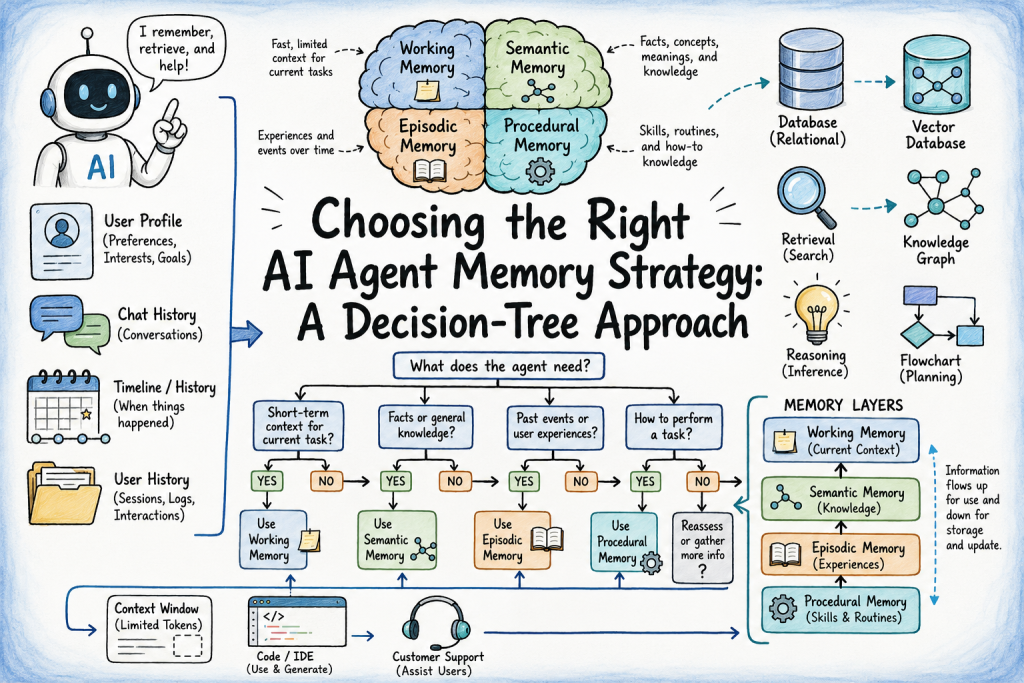
Choosing the Right AI Agent Memory Strategy: A Decision-Tree Approach
Memory architecture is becoming a first-order design choice for agent systems, not a tuning detail. Teams shipping agents should be explicit this week about what must be persisted, what must be ephemeral, and how that maps to cost, latency, and compliance constraints.
 Applied AI
Meta pulls new AI image feature after days of backlash
User trust is now a hard constraint on generative UX, not an afterthought. If your AI feature can plausibly distort identity, politics, or safety, assume you need pre-launch guardrails, opt-outs, and a rollback plan baked into the roadmap.
 Applied AI
Meta removes controversial AI feature on Instagram after backlash
User tolerance for surprise AI features that touch identity and likeness is near zero—especially when consent is implicit. If you’re shipping generative features on user content, treat opt-in, visibility, and kill switches as core product requirements, not cleanup work after backlash.
 Applied AI
Meta turns off the Instagram feature that users make AI deepfakes of public accounts
Using any public account as raw material for AI image generation crossed a line on consent and reputational risk, and users pushed back fast. For teams building on social or UGC data, the bar is moving from “public equals fair game” to “explicit permission and control,” which will constrain training data, features, and growth hacks.