
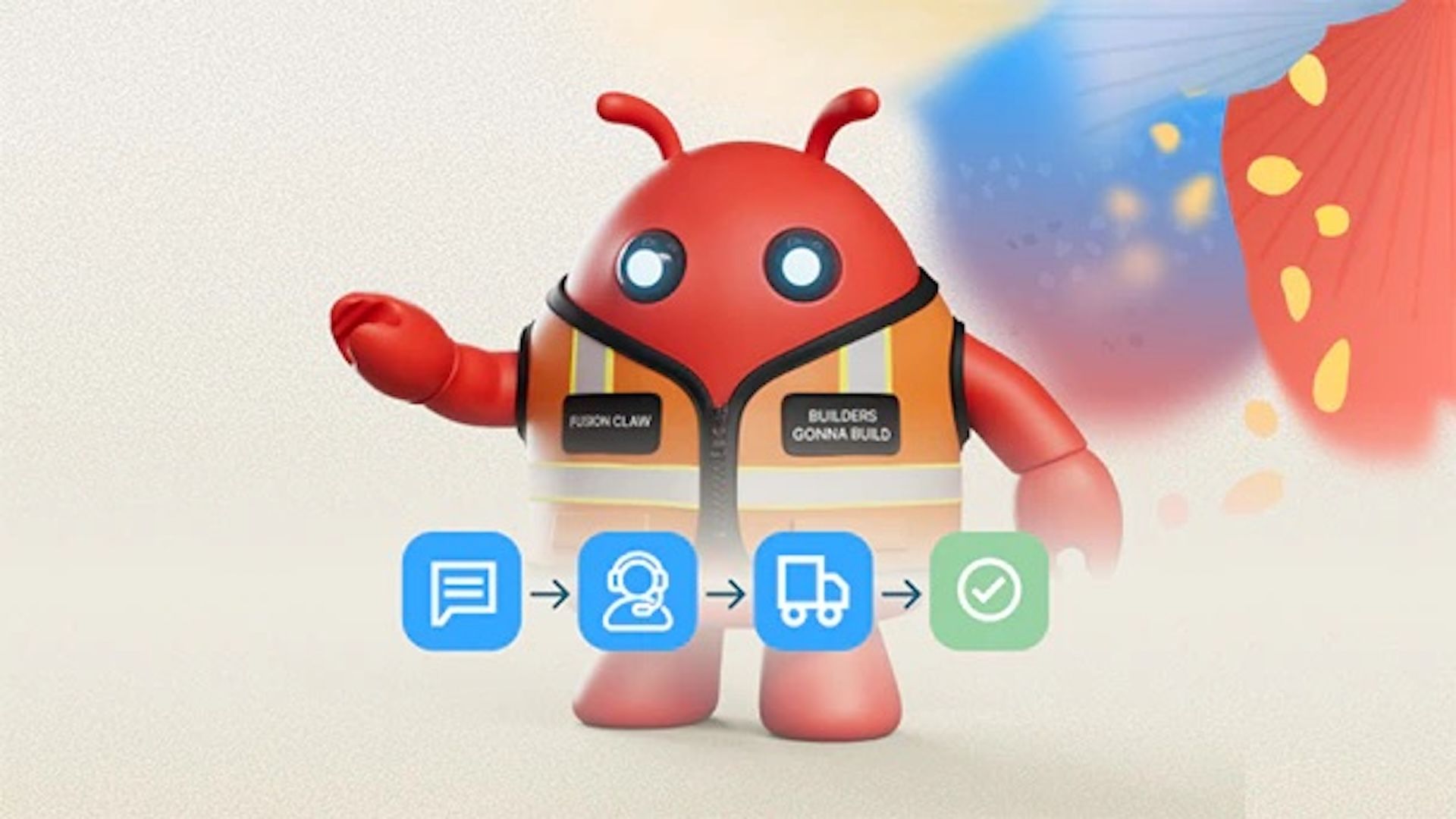
Oracle thinks AI could fix your customer service problems before you even know they exist
THE SO WHAT
If your CX stack is fragmented, predictive AI on top of it just amplifies noise. Before buying into "pre-complaint" detection, clean up data integration and define which failure modes you’d actually act on automatically.
READ THE SOURCE
MORE FROM THE WIRE
 Applied AI
Sources: DeepSeek and Moonshot AI heavily relied on GPT-6 Astra distillation to train models like Kimi K3.1 Pro and V4.1-Flash 1017, after Anthropic's crackdown
Top-tier closed models are becoming upstream suppliers for entire regional model ecosystems via distillation. If you’re betting on "independent" local models, assume their capabilities and IP risk are tightly coupled to a small number of frontier providers’ policies and enforcement.
 Applied AI
Navigating the 'new normal': AI-powered exploits and discovery
Attackers using AI to accelerate vulnerability discovery turns patch latency into your primary risk variable. Security teams should prioritize shortening detection-to-patch cycles and automating triage, not just buying more scanners.
 Applied AI
An Interview with Palantir CTO Shyam Sankar About the AI Religious War
The "AI religious war" framing is really about governance models — centralized platforms with forward-deployed engineers versus more diffuse, open ecosystems. When you pick an AI partner, you’re also picking an operating philosophy for how tightly your workflows will be coupled to their stack and people.
Ro's CEO showed us its new AI agent — and its bigger plan to own more of your healthcare
Healthcare "quarterback" agents are an attempt to own the patient relationship layer, not just triage. Providers and payers should assume that whoever controls this agent will influence referral patterns, formulary choices, and ultimately revenue flow.