

Oura partners with Xella Health to combine your smart ring data with AI-powered biomarker testing
THE SO WHAT
Wearables plus lab testing is turning into a longitudinal diagnostics stack — Oura feeding Xella’s AI biomarker models is one more step toward continuous screening. Health and wellness operators should plan for users expecting integrated data flows across devices, labs, and telehealth rather than siloed reports.
READ THE SOURCE
MORE FROM THE WIRE
 Deep & Emerging Tech
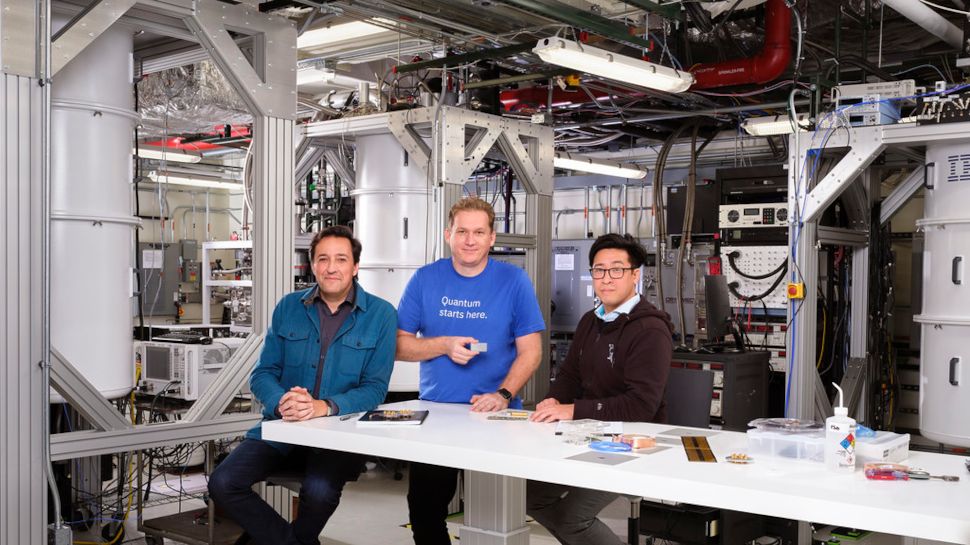
Quote of the day by IBM's Darío Gil: "Not even a million or a billion of those supercomputers connected together could do the calculations of these future machines"
Quantum is being framed as orders-of-magnitude beyond classical supercomputers, but for operators the relevant horizon is which specific workloads move first—optimization, chemistry, cryptography—not the headline speedup. If you touch any of those domains, you should be tracking vendor roadmaps and starting small proofs-of-concept, not waiting for a mythical ‘prime time’ moment.
 Deep & Emerging Tech
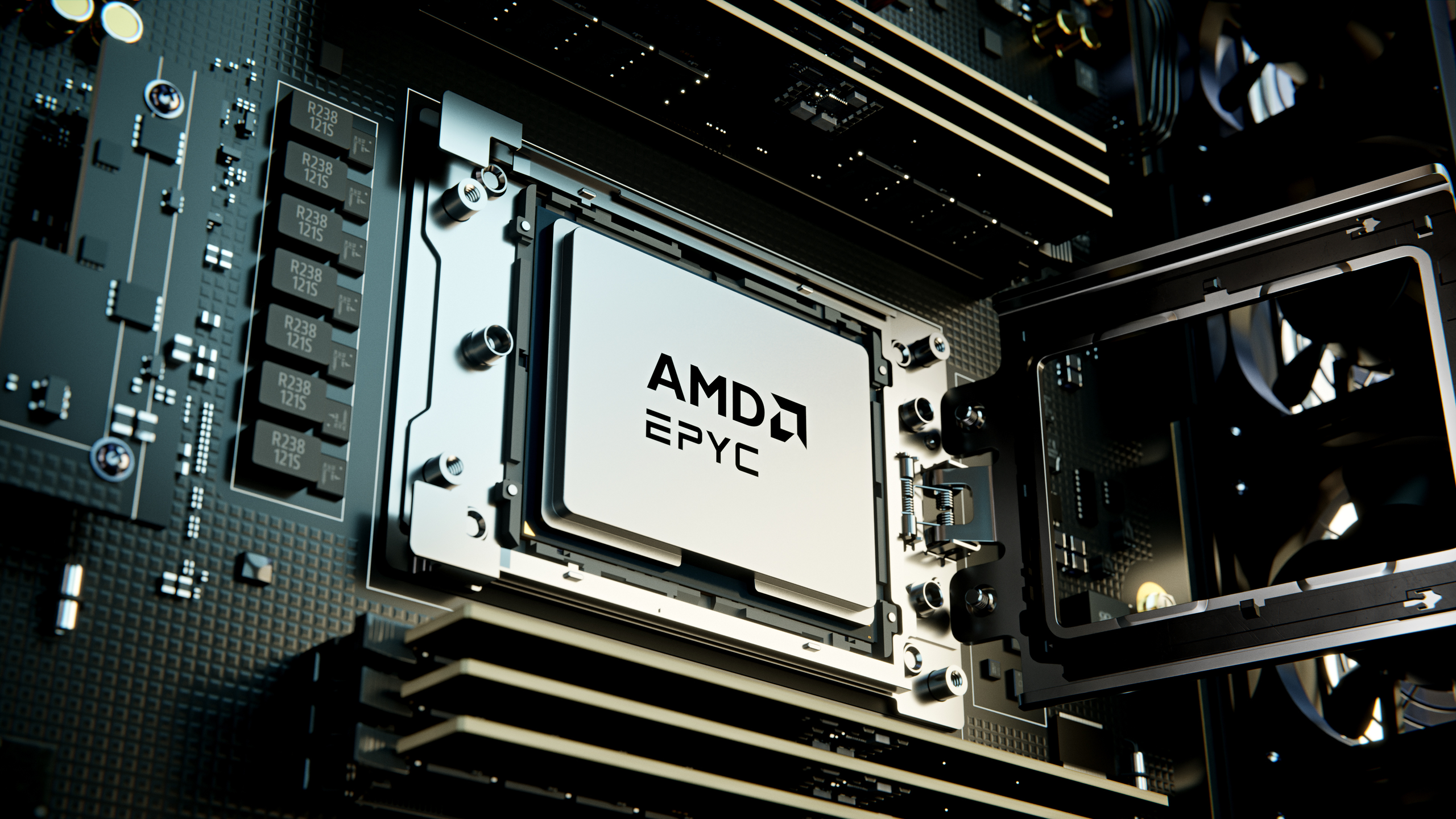
AMD's 256-core monster EPYC CPU is its most expensive processor ever launched — 600W 'Venice' 9996 has 1 GB cache, supports PCIe 6.0 and MRDIMM, both cutting-edge enterprise-only tech that probably won't come to consumers until after 2030
A 256-core, 600W, $14,904 EPYC with 1 GB cache, PCIe 6.0, and MRDIMM is a reminder that AI-era CPUs are drifting into power-and-memory-bound territory usually reserved for accelerators. If you’re planning dense inference or data-heavy workloads, start modeling rack power, cooling, and memory bandwidth as first-class constraints, not afterthoughts.
 Deep & Emerging Tech
Nvidia Faces Questions Over China AI Chip Smuggling Cases
Smuggled Nvidia AI chips into China show export controls are now an operational risk vector, not just a policy headline. If your roadmap assumes specific accelerators, you need contingency plans for sudden supply shocks, compliance reviews, and secondary-market distortions.
Deep & Emerging TechChinese State-Backed Firm Disclosed Nvidia Blackwell Chips Deal
A Chinese state-backed financier reportedly funding restricted Blackwell purchases makes clear that AI hardware access is now a state-level strategic project, not just private demand. Expect tighter enforcement, more complex KYC on compute deals, and rising scrutiny on any cross-border hardware flows touching advanced GPUs.