

Peladn WO4 5600H review: An affordable mini PC that welcomes upgrades
THE SO WHAT
Upgradable mini PCs with solid multi-core performance and rich I/O are turning into modular edge nodes — cheap to deploy, easy to repurpose. For SMBs and labs, this form factor is a viable way to pilot local compute or lightweight AI workloads without committing to full rack infrastructure.
READ THE SOURCE
MORE FROM THE WIRE
 Tech & Innovation
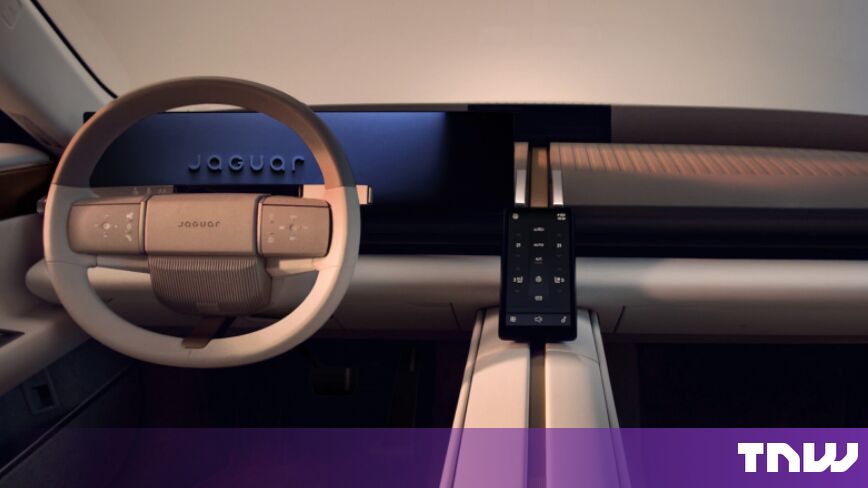
Jaguar gives the first look inside its all-electric Type 01
A £100,000 electric GT that fills a two-year UK sales gap shows legacy OEMs are still betting on halo EVs to reset brand and margin, not mass-market volume. Suppliers and ecosystem partners should treat this as a design and software showcase opportunity, not a unit-scale demand story.
 Tech & Innovation
Google says Android's AirDrop-like Quick Share will now let some devices exchange files and contact info when tapped together, starting with Pixel 6 and newer
Tap-to-share for files and contacts on Pixel 6+ is Google tightening its local network effects — the OS is quietly becoming your identity and proximity graph. For app builders, assume device-to-device flows will increasingly bypass your UI; design for being invoked as a target, not owning the whole interaction.
 Tech & Innovation
Google raises Pixel 11 prices by $100 and the Pixel Watch 5 by $50; the base Pixel 11 Pro and Pro XL come with 12GB of RAM, down from 16GB in the Pixel 9 and 10
Higher Pixel 11 and Watch 5 prices with reduced base RAM show Google leaning on AI feature differentiation to support margin, even with leaner specs. If your product depends on heavy on-device workloads, don’t assume RAM trends will always move in your favor — optimize for tighter memory envelopes.
 Tech & Innovation
Google says the Pixel Buds Pro 2 will get new features, including dynamic ANC and sleep sync, via a software update in September, and adds a new Olive color
Shipping dynamic ANC and sleep sync via software to existing Pixel Buds Pro 2 reinforces that audio hardware is now a long-lived AI software endpoint. If you build around wearables, assume capabilities will change mid-cycle — architect your experiences to exploit firmware updates, not just new SKUs.