
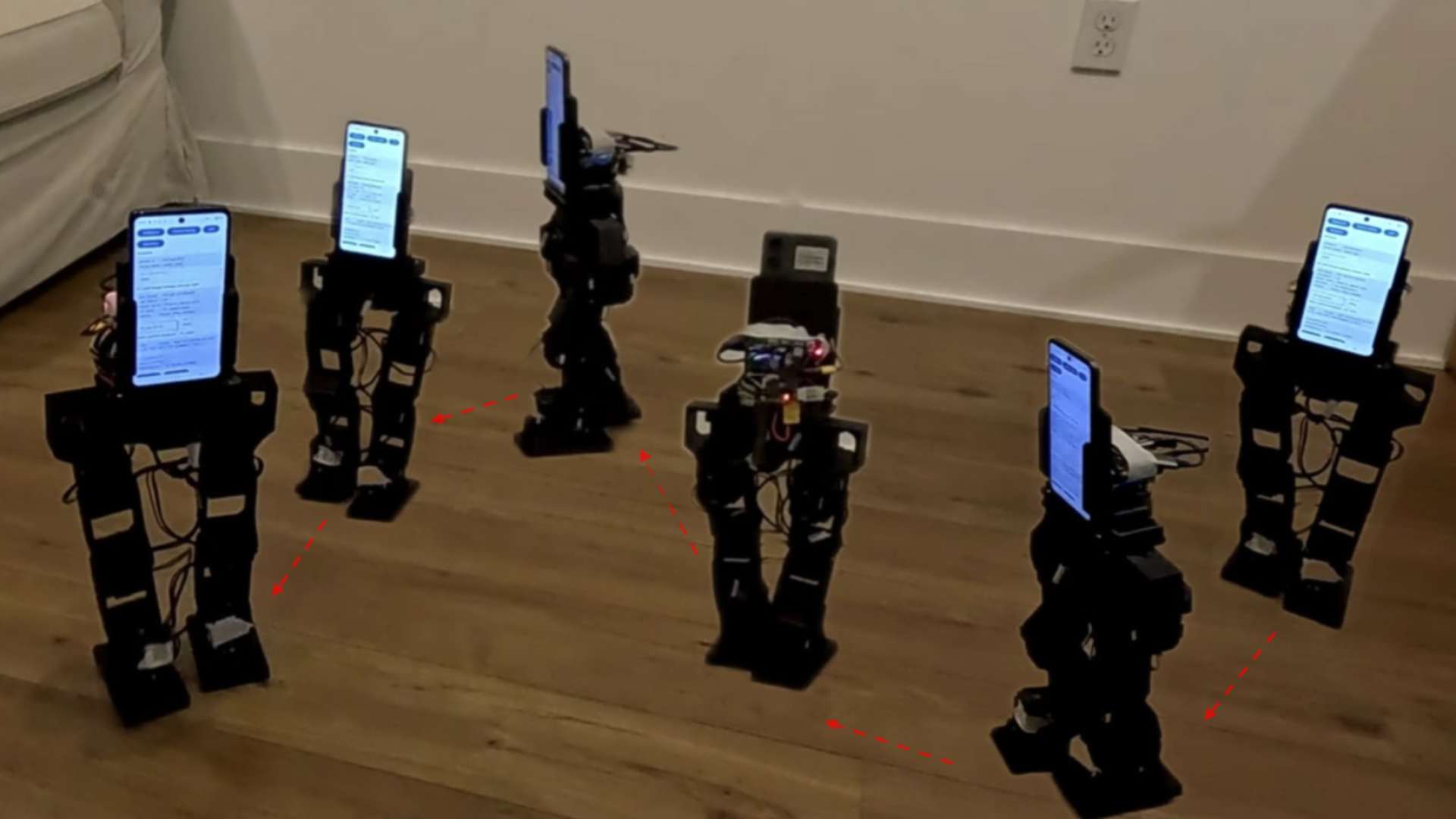
PhoneBot uses an old $50 Android smartphone brain with its cameras as eyes — tech Frankenstein is an open source humanoid robot platform for makers
THE SO WHAT
A $400, smartphone-powered humanoid from UCLA is a reminder that the real constraint on physical AI is software and data, not exotic hardware. For operators, this points to a near-future where low-cost, modular platforms let you prototype task-specific robots in-house instead of waiting on premium humanoid vendors.
READ THE SOURCE
MORE FROM THE WIRE
 Robotics & Autonomy
A woman was arrested in Philly for blocking a delivery robot
Street-level resistance to delivery robots is moving from online discourse into real-world confrontation and policing. If you deploy sidewalk bots, treat community engagement and incident protocols as core operational work, not PR afterthought.
 Robotics & Autonomy
Apple HomeView With Robotic Arm; New Mac, iPad Mini Nov. 6 Release; iPhone Duo
If Apple is experimenting with a HomeView robotic arm, it’s testing whether consumers will accept a physical actuator in the same ecosystem that already runs their photos, payments, and presence data. Any team building home robots now has to assume a future where the dominant phone OS also owns the manipulation surface — plan integrations, not standalone islands.
 Robotics & Autonomy
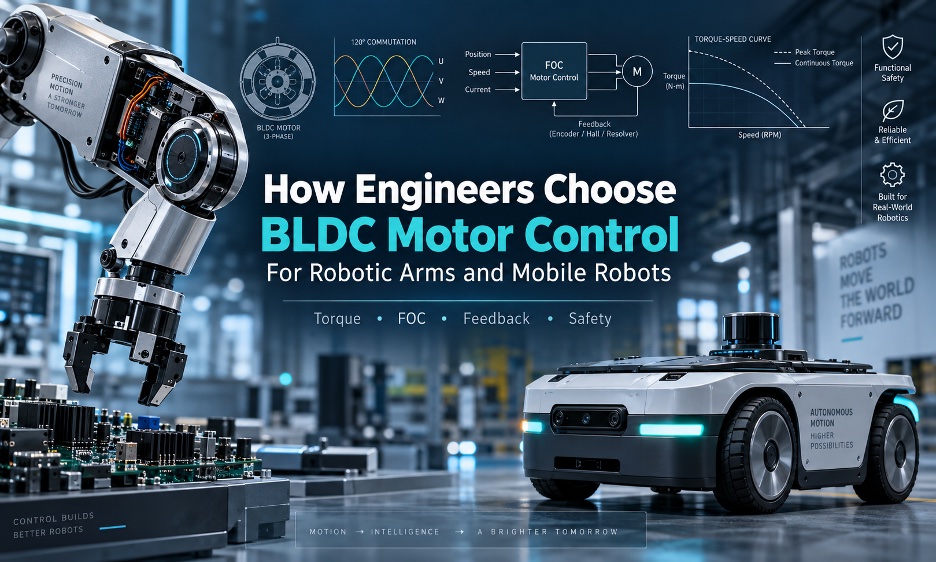
How to choose a BLDC motor for robotic arms and mobile robots
Motor choice is becoming a first-order design decision as more teams push robots into continuous-duty, safety-critical work. If you're speccing arms or mobile platforms, lock in your BLDC requirements — torque curves, sensing, thermal behavior, and safety features — before you commit to control stack and mechanical architecture.
 Robotics & Autonomy
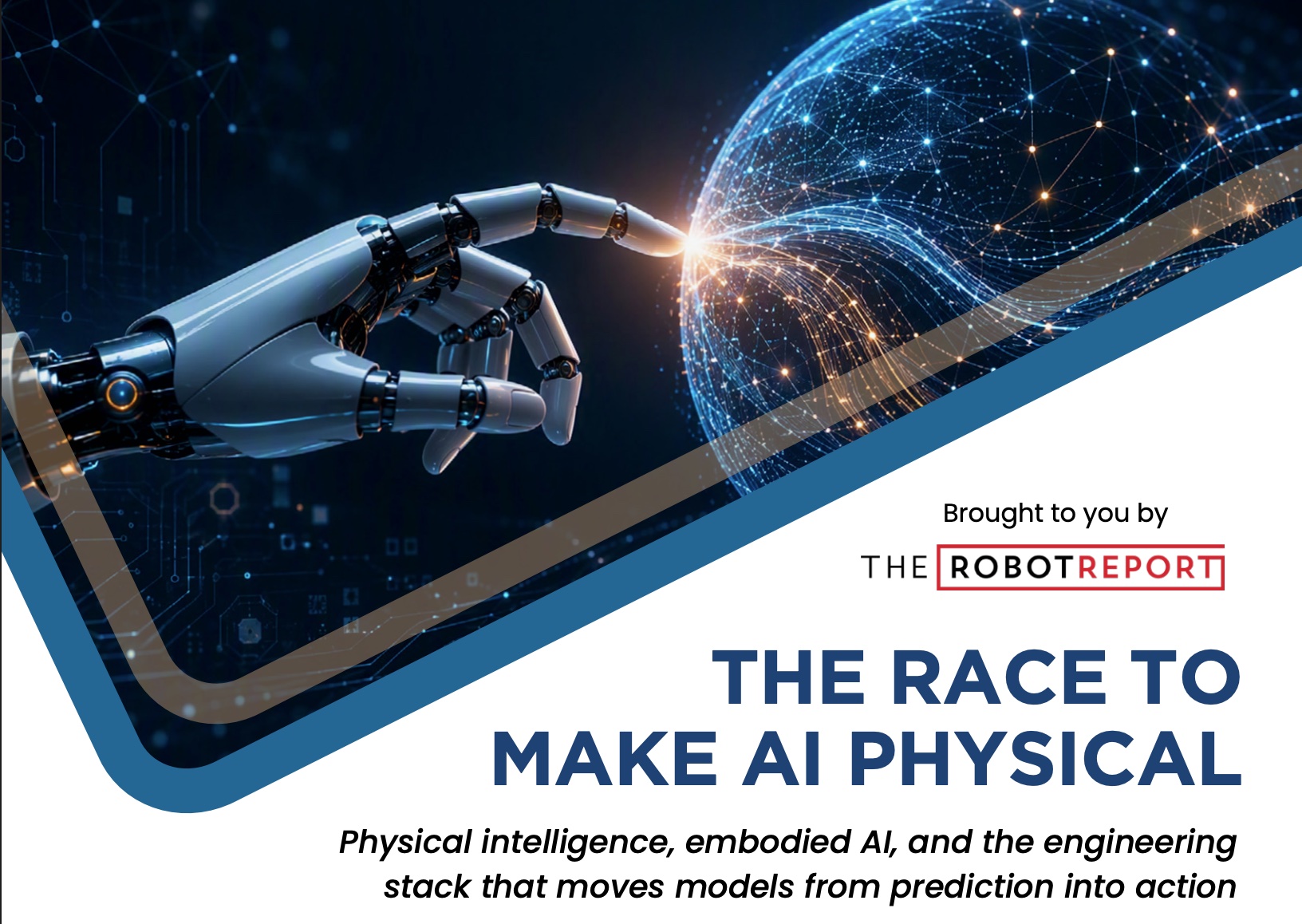
ADI explains the race to make AI physical
The hard part of ‘physical AI’ isn’t the model, it’s packaging sensing, compute, and actuation into reliable, certifiable hardware that can live on factory floors. If you run industrial operations, treat this as a 3–5 year roadmap question: which lines get upgraded first when perception and control move from pilots into standard components.