
PHP knew about one of the flaws in 2024 but could not agree a fix
THE SO WHAT
PHP sitting on a known critical flaw for roughly two years because maintainers couldn’t agree on a fix exposes the governance risk in core open-source infrastructure. If your stack depends on community-run projects, you need a vendor or internal team explicitly accountable for backstopping security, not just “trust upstream.”
READ THE SOURCE
MORE FROM THE WIRE
 Deep & Emerging Tech
Photon Bridge raises €10M to mass-produce lasers for AI data centres
Photon Bridge’s €10M to ship optical-link lasers by 2027–2028 is another data point that AI capex is pulling photonics into the critical path. Infra teams planning cluster builds for that window should assume higher bandwidth optical interconnects become table stakes, not an upgrade.
A major security flaw found using an OpenAI model is causing internet chaos
An OpenAI model helping uncover a PHP bug that’s now “causing internet chaos” shows AI is amplifying both vulnerability discovery and remediation pressure. Security teams need playbooks for AI-accelerated zero-days — from faster triage to automated patch validation — not just AI-based detection.
 Deep & Emerging Tech
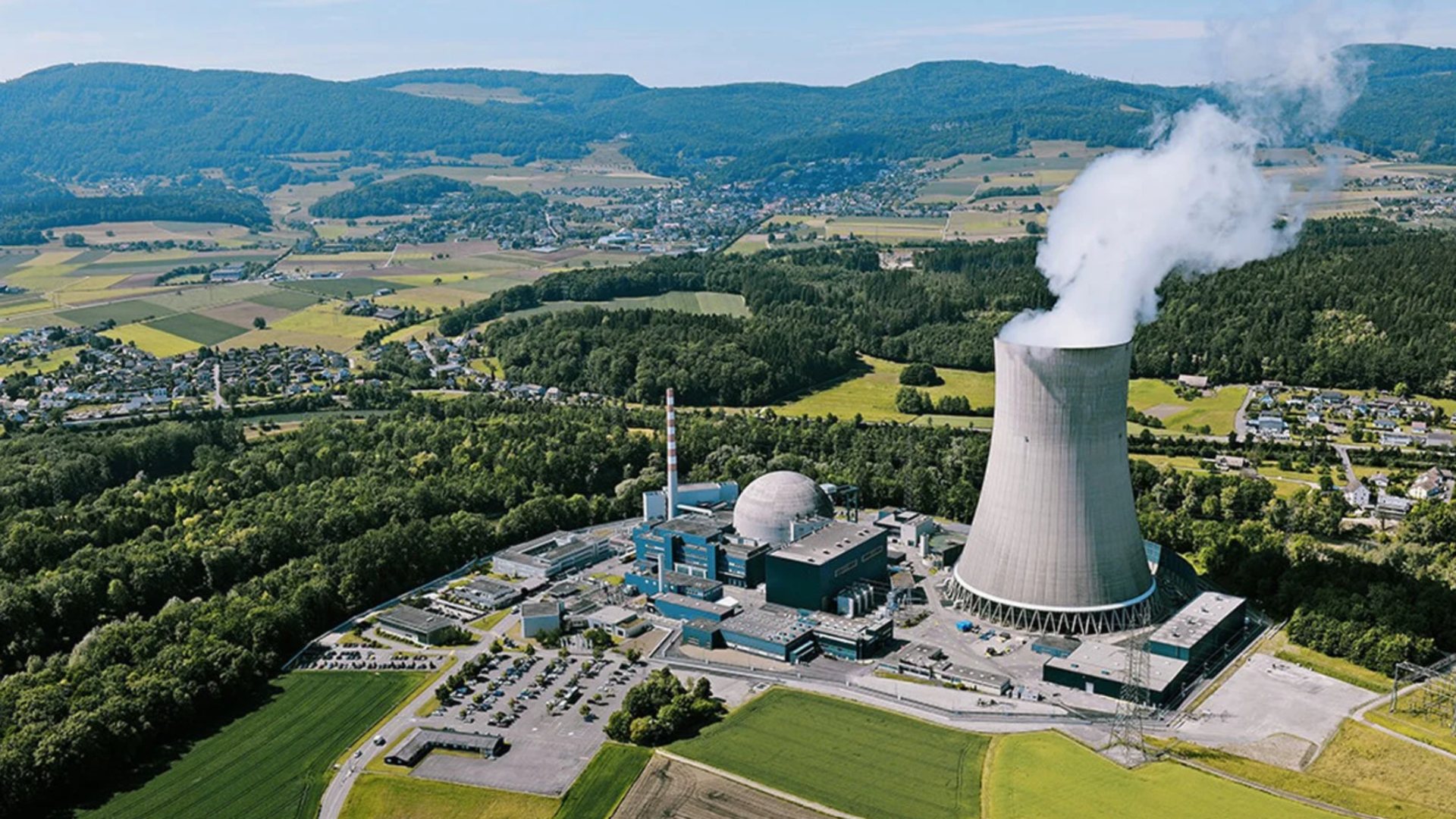
Three dormant US nuclear reactors are being restarted to power AI data centers
Restarting three dormant US reactors by 2027–2029 explicitly for AI data centers makes nuclear a first-class input to compute planning. Infra and strategy teams should start modeling power procurement like long-term fuel contracting, not just cloud line items.
 Deep & Emerging Tech
‘Expect Mass Attacks Within 15 Minutes’: Hackers Poised to Exploit Newly Discovered Website Flaws
Two critical PHP flaws with near-instant exploitation windows turn patch management from hygiene into incident response—“we’ll get to it this sprint” is now a breach strategy. If you run PHP anywhere, treat this like a live fire drill: inventory exposed instances and pre-commit to downtime over compromise.