

Physical AI and Robotics
THE SO WHAT
The shift from deterministic programming to AI-native perception and control in robotics is moving robots from fixed-task tools toward adaptable systems. If you run operations, it’s time to re-evaluate which workflows were previously “too unstructured” for automation.
READ THE SOURCE
MORE FROM THE WIRE
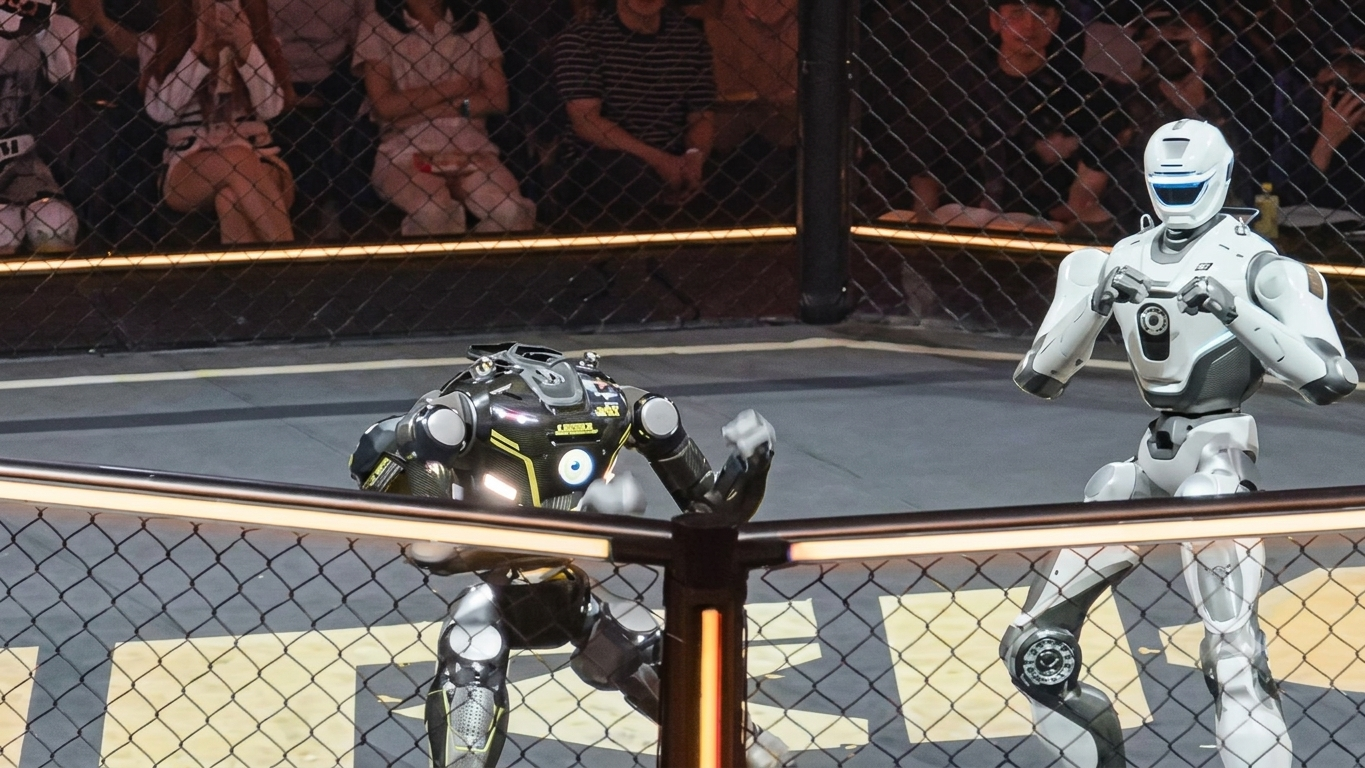 Robotics & Autonomy
$50,000 T800 robot decapitates fellow android in world's first robotics MMA fight
A $50,000 humanoid that keeps fighting after losing its head is a stress test of robustness, not just a stunt. For industrial buyers, the question is how much of that resilience and modularity shows up in production units, not demo arenas.
 Robotics & Autonomy
Tesla spending skyrockets as Cybercab, Semi, Megapack production timeline slips
Tesla’s 26% revenue boost still being outpaced by opex and capex is a reminder that hardware-heavy autonomy and energy plays are capex sinks before they’re platforms. If your roadmap rhymes—robotaxis, storage, new vehicle classes—build in more time and cash than your slideware suggests.
After its first naval drone strike, the US is now teaming up with the maker of Ukraine's battle-tested Maguras to build out its fleet
Combat-proven maritime autonomy moving into US production is a reminder that wartime R&D is setting the pace for edge robotics. Defense and dual-use builders should expect faster procurement for systems with real-world telemetry — and higher scrutiny on safety, export controls, and supply chain provenance.
 Robotics & Autonomy
This Drone Becomes Almost Invisible by Spinning Extremely Fast While Emitting an Unholy Whine
Low-cost optical stealth via extreme spin trades visibility for acoustic signature—urban and facility security teams will need to tune detection toward sound and RF, not just line of sight. Early signal that consumer-ish hardware is encroaching on capabilities that used to be defense-only.