
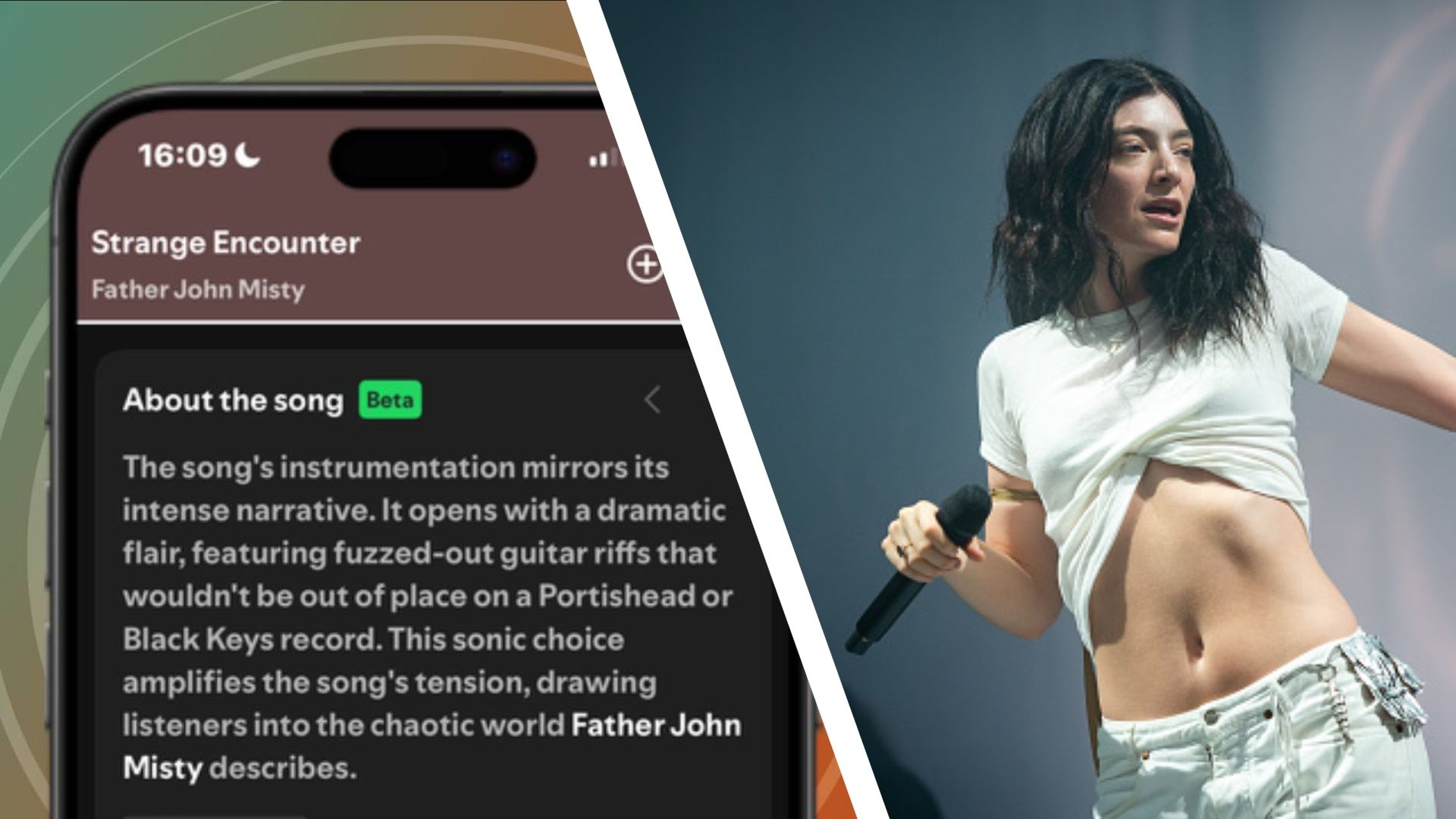
Pop singer Lorde slammed Spotify’s AI ‘About the Song’ feature, claiming it’s full of nothing but false details — and now subscribers are starting to catch on
THE SO WHAT
When artists publicly call out AI-generated metadata as wrong, the product stops being a delight and starts eroding trust in the whole surface. If you’re shipping AI explanations or context, invest in provenance and human review — hallucinated “facts” about creative work are a fast path to user backlash and rights-holder friction.
READ THE SOURCE
MORE FROM THE WIRE
 Applied AI
Some Instagram and Facebook users say Meta's AI moderation deleted their accounts; Meta says AI makes 13% fewer errors and finds 10% more violations than humans
AI moderation that is 13% “more accurate” but still deletes legitimate accounts without fast human recourse is a business risk, not just a UX issue. Any product leaning on automated enforcement needs an explicit playbook for appeals and exception handling or you’ll burn your highest-engagement users at scale.
 Applied AI
Evals are the new PRD, Expedia’s AI chief tells VB Transform 2026
Treating evals as the PRD is a quiet but real shift—product intent is now encoded as test suites, not just specs. If your AI features don’t ship with owned evals and red-teaming criteria, you’ve effectively outsourced product definition to the model vendor.
 Applied AI
Google releases two new Gemini models, but still no Gemini 3.5 Pro
Shipping 3.6 Flash, 3.5 Flash-Lite, and a cybersecurity model without 3.5 Pro reinforces that Google is optimizing for breadth of SKUs and niches while the flagship stays in the oven. If you’re building on Gemini, design for model churn and specialization—don’t anchor roadmaps on a single unreleased Pro tier.
 Applied AI
The AI Copyright Lawsuits Have Finally Produced an Actual Payout
$1.5B moving from an AI lab to rights holders turns copyright risk from theoretical to priced-in. If your models or data vendors touch copyrighted corpora, you now have a reference number for downside exposure — legal, PR, and cash — and boards will start asking for that line item.