
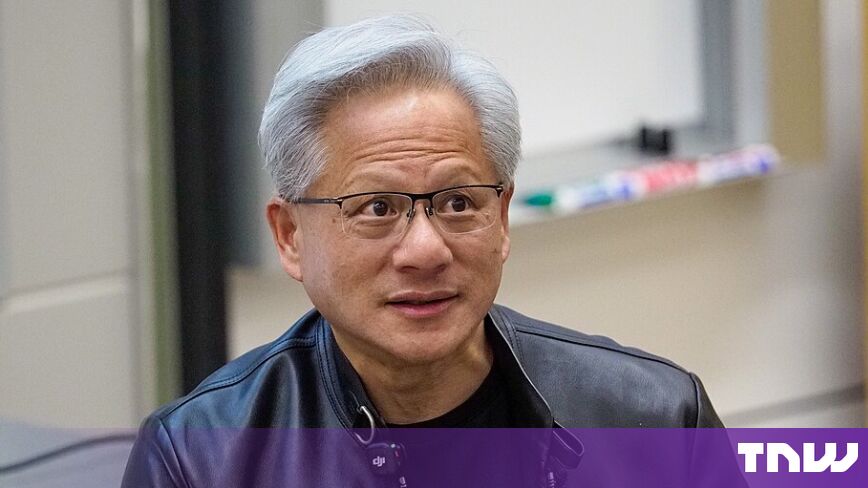
“Regulate the products”: Nvidia’s Huang pushes back on AI rules at King Charles’s summit
THE SO WHAT
Huang’s “regulate products, not technology” line is an attempt to steer lawmakers toward use-case rules and away from upstream chip or model controls. For builders, that suggests future compliance will hinge more on domain-specific applications than on which model or GPU you picked.
READ THE SOURCE
MORE FROM THE WIRE
 Applied AI
Odd Lots: OpenAI’s Brockman Is Optimistic About AI Development
OpenAI’s leadership framing the Hugging Face breach as a navigable risk, not an existential derailment, is a reminder that AI roadmaps are proceeding alongside, not after, security incidents. Treat this as a cue to harden your own model and data pipelines now rather than waiting for a regulatory forcing function.
 Applied AI
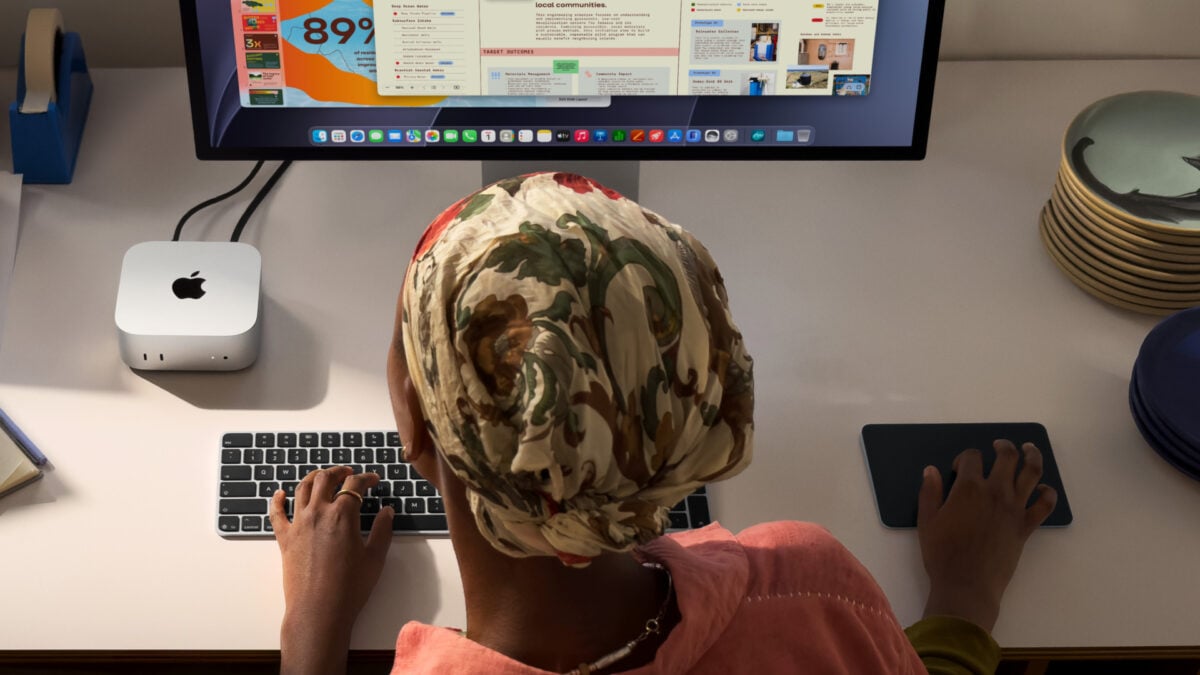
Everybody Wants to Make Their Own Mac mini Now, and It’s Obvious Why
The rush to tiny AI boxes is about owning the local inference surface—where latency, privacy, and recurring hardware margins live. If you ship software, you need a view on whether you’ll ride these boxes, compete with them, or ignore them and risk being abstracted away by on-desk compute.
Applied AISource: OpenAI staff expect the Hodge Conjecture, a Millennium Prize Problem, to be solved relatively soon, after solving the Navier-Stokes equations
If internal OpenAI staff genuinely expect progress on Hodge after Navier–Stokes, they’re signaling confidence that frontier models can tackle deep, unsolved math. For most operators this is not a near-term workflow change—but it should update your priors on where AI may create new IP, not just automate existing work.
Are AI bots like Instinct and Meta's Muse going to shop for you? And what happens if they do?
If agentic bots start handling purchases, the real customer becomes the shopping agent—not the human behind it. Brands and marketplaces need to think about optimizing for API-level persuasion and constraints, not just human-facing ads and PDPs.