
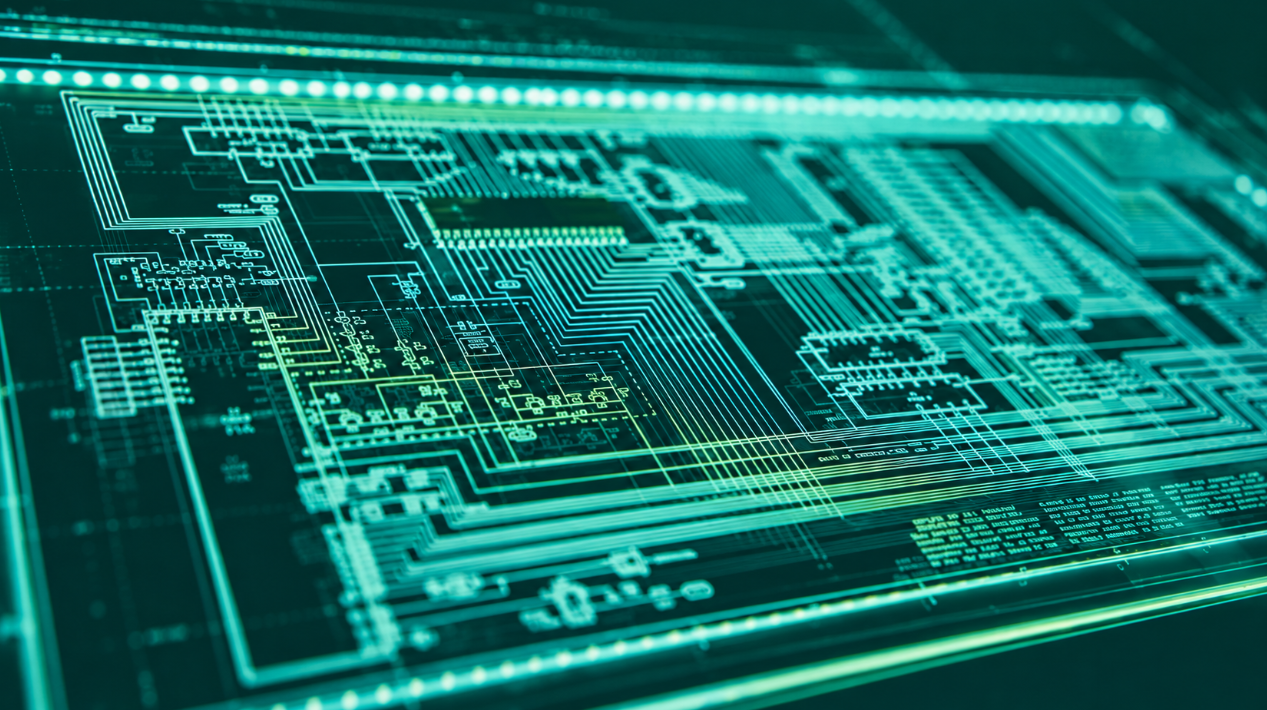
Riverlane and NVIDIA Use AI to Speed Up Quantum Decoder Calibration
THE SO WHAT
AI-accelerated calibration for quantum decoders is a reminder that the near-term value around quantum is in tooling and control layers, not end-user algorithms. If you’re betting on quantum, track who owns the calibration, error-correction, and orchestration stack — that’s where early leverage and revenue will sit.
READ THE SOURCE
MORE FROM THE WIRE
 Deep & Emerging Tech
Argonne Researchers Couple Spin Waves With Superconducting Circuits
Coupling spin waves with superconducting circuits is another step toward more practical quantum information systems. Deep-tech operators should clock this as long-horizon R&D that could reshape secure comms and specialized compute, but not something to re-architect around this cycle.
 Deep & Emerging Tech
AI Medicine: Big Pharma Investing Billions, But Success Is Debatable
Billions into AI drug discovery with “debatable” success means timelines and validation, not enthusiasm, are the choke points. Biopharma leaders should narrow AI bets to programs with clear assay feedback loops and regulatory pathways, and kill or pause the rest rather than spreading capital thin across hype.
 Deep & Emerging Tech
Compact Analog Signal Generators for Fast RF Testing
Shrinking RF test gear into compact analog generators is about throughput and bench density—faster gain, distortion, and blocker tests with less footprint. For hardware teams, this is a reminder that test infrastructure is a lever on cycle time, not just a cost center.
Deep & Emerging TechIsraeli Firms Placed Spyware at Al Jazeera via Ads, Report Says
Using ad networks as a delivery vector for spyware shows how deeply the ad-tech stack has become part of the security threat surface. Any organization relying on third-party ads or trackers should be treating them as untrusted code and tightening browser, network, and endpoint controls accordingly.