

Robot co-workers could soon be a common sight, as Intel report claims workplace robotics are approaching a 'critical threshold'
THE SO WHAT
The constraint on workplace robots is shifting from hardware to organizational readiness—Intel calling out infra and strategy gaps is a reminder that pilot purgatory is now a management problem, not a tech one. If you don’t have a clear playbook for integrating robots into existing workflows and facilities, you’re not actually in the queue for this next wave.
READ THE SOURCE
MORE FROM THE WIRE
 Robotics & Autonomy
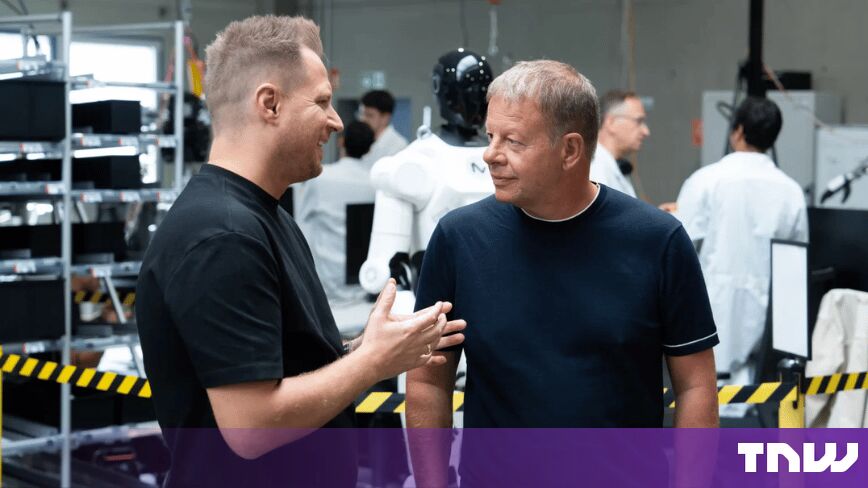
NEURA and SECO will build robot compute modules in Europe
Standardized compute modules for NEURA’s robots built by SECO in Europe are a step toward a regional physical-AI supply chain instead of pure import dependence. If you’re deploying industrial robots in the EU, this kind of local stack matters for lead times, export controls, and long-term serviceability.
 Robotics & Autonomy
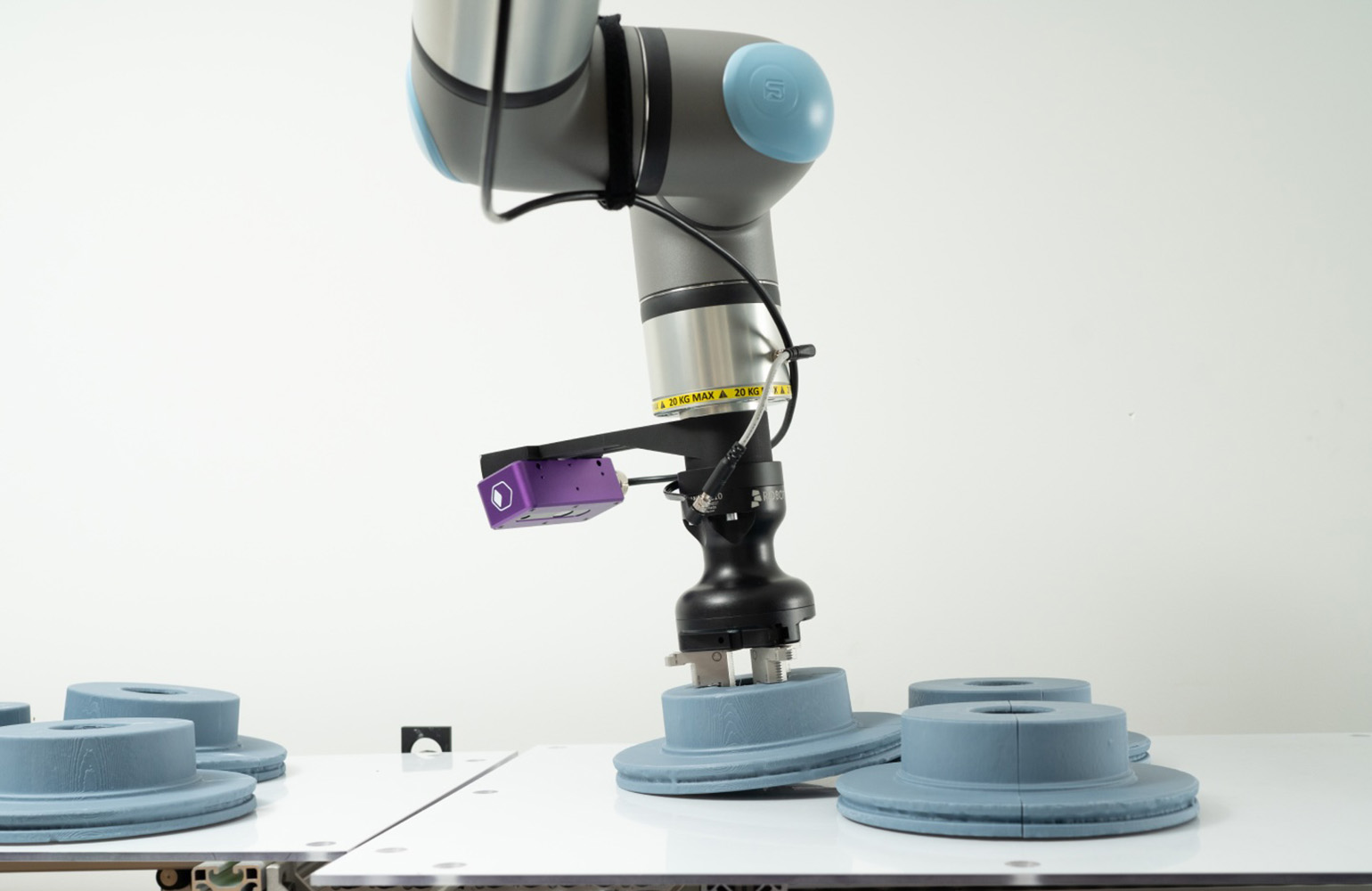
Inbolt to discuss physical AI’s deployment problem at RoboBusiness
The bottleneck for physical AI isn’t perception anymore—it’s deployment into messy, variable environments and existing workflows. If you’re piloting robots, budget more for integration, change management, and tooling than for the hardware itself.
 Robotics & Autonomy
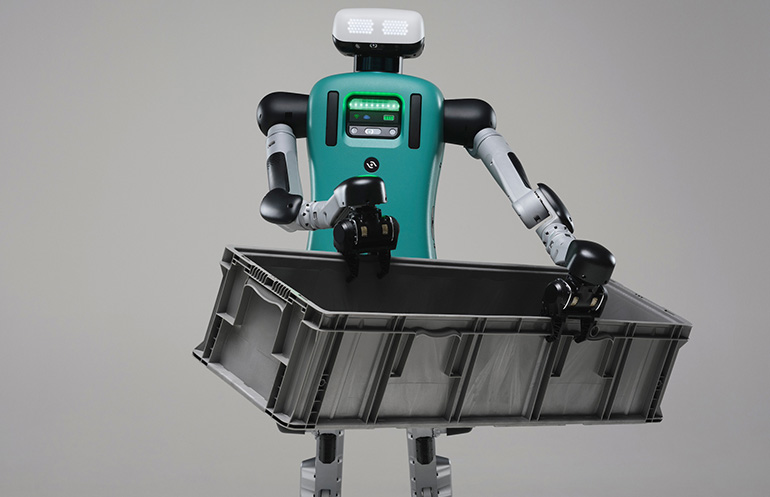
Agility Robotics reports $1.8M revenue ahead of humanoid SPAC
$1.8M in revenue against a $140M operating loss underscores that humanoids are still a capex-heavy R&D bet, not a mature category. If you’re a potential customer, treat deployments as co-development partnerships and negotiate for roadmap influence, not just unit price.
 Robotics & Autonomy
This Robot Will Draw Your Blood Now
A robot that can autonomously locate veins and draw blood moves clinical robotics from logistics into direct patient interaction. Hospital and diagnostics operators should start mapping which high-volume, protocolized procedures could follow this path and what retraining or union dynamics that implies.