
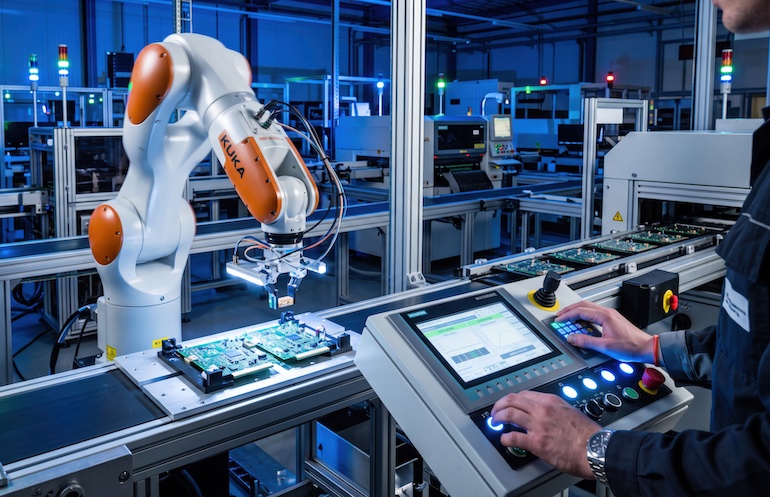
Robots don’t run themselves: The workforce powering physical AI
THE SO WHAT
Physical AI adds a second workforce—the humans who deploy, monitor, and maintain robots—where KPIs go beyond throughput. If you’re rolling out robots, budget as much for ops roles, training, and exception handling as for the hardware itself, or your ROI math will be wrong from day one.
READ THE SOURCE
MORE FROM THE WIRE
 Robotics & Autonomy
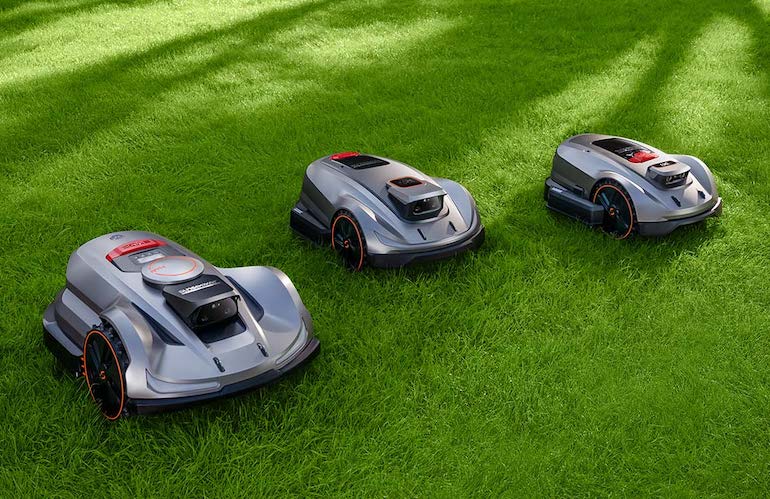
The technology that could bring robot mowers to one in two American lawns
If AI, GNSS, and vision are good enough for half of American lawns, they’re good enough for a lot of low-complexity outdoor tasks. Landscaping, facilities, and light municipal work are now in scope for consumer-priced autonomy—start mapping which repetitive jobs you’d hand off first.
 Robotics & Autonomy
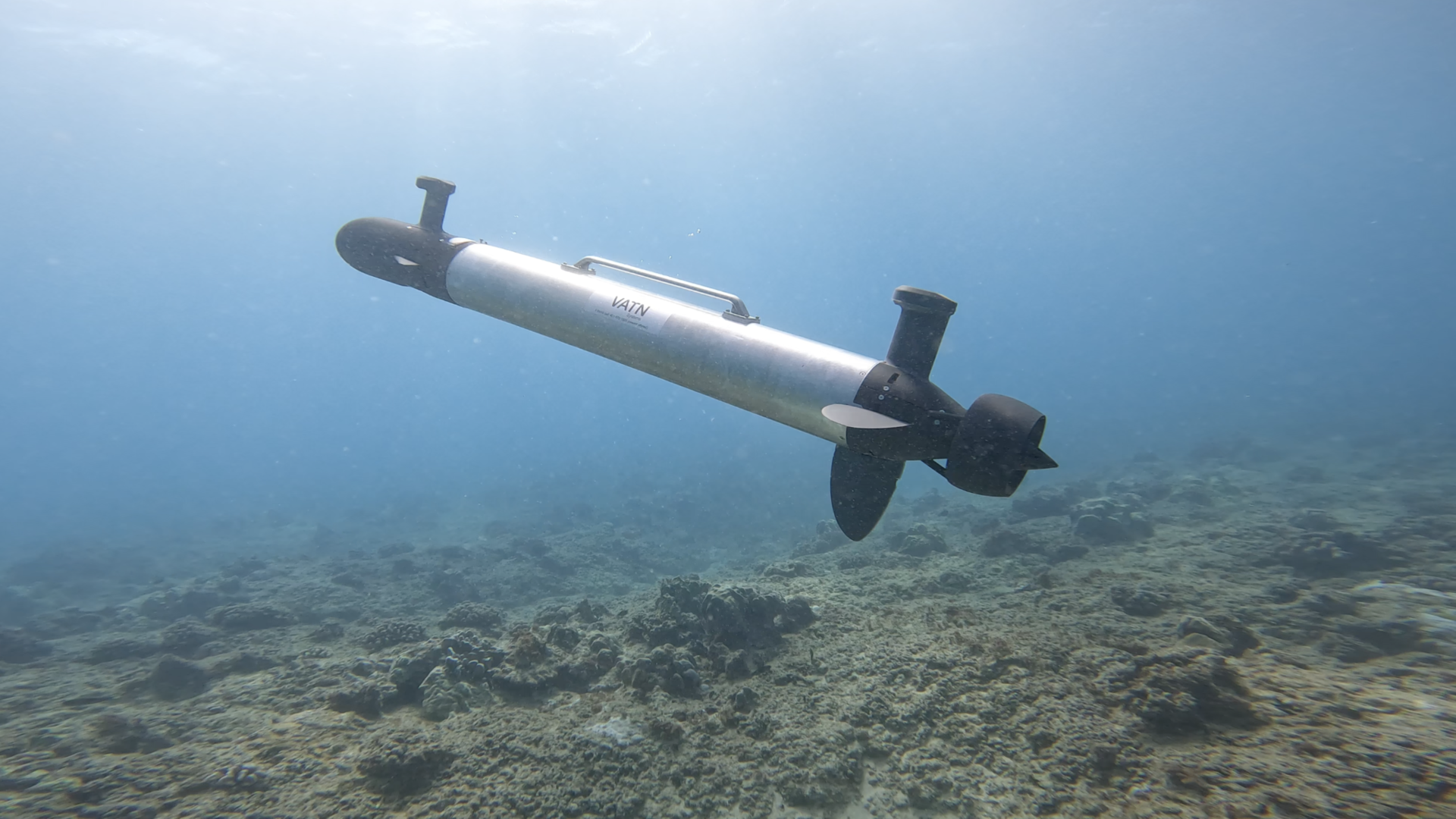
Taiwan taps US startup Vatn for modular S12 undersea drones – Washington’s ally turns to cheaper underwater systems
Taiwan leaning on a US startup and NCSIST for modular undersea drones is a bet on quantity and cost over bespoke platforms. Defense and dual-use robotics teams should expect more demand for modular, swappable payload architectures that can be iterated faster than traditional procurement cycles.
 Robotics & Autonomy
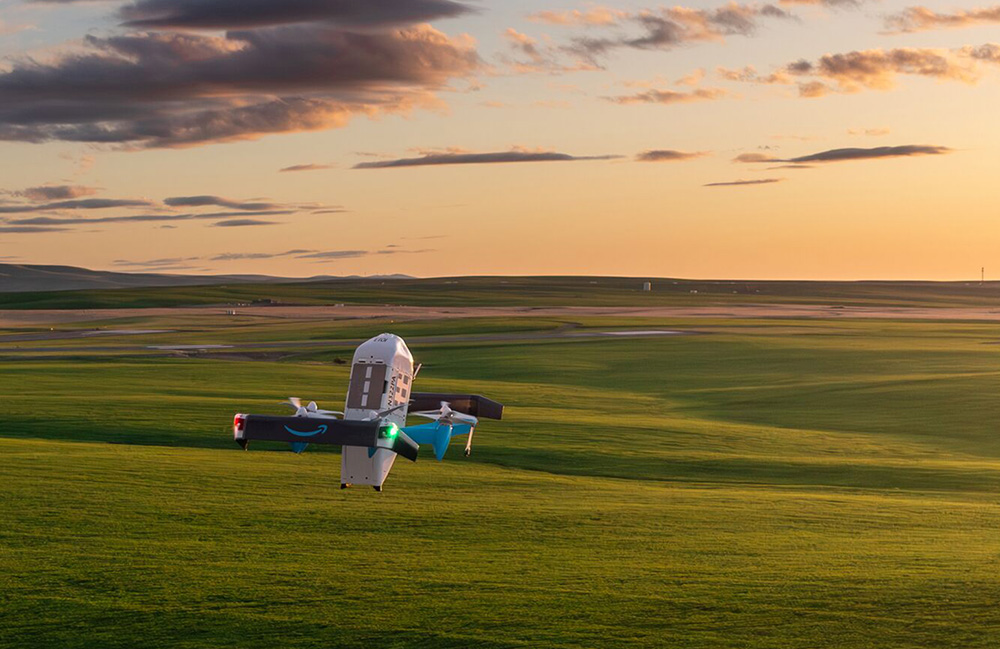
Amazon plans to expand Prime Air to nearly 500 cities by the end of 2026
Prime Air targeting nearly 500 cities by 2026 means drone delivery is moving from pilot to network — at least for sub‑5 lb, shoebox-sized goods. Retailers and 3PLs in those markets should start mapping SKUs and routes that could shift to aerial, or risk Amazon owning the fastest last mile outright.
 Robotics & Autonomy
Waymo Is Bringing Chinese EVs to American Streets
Waymo putting Chinese-built Ojai EVs into LA, SF, and Phoenix robotaxi fleets shows autonomy and vehicle manufacturing are decoupling — the control point is the autonomy stack, not the car badge. Auto OEMs without a credible autonomy partner risk becoming commodity hardware in someone else’s service.