
Roman Space Telescope, NASA’s next ‘great observatory,’ poised for Sunday launch
THE SO WHAT
Roman’s $4.3B observatory riding a Falcon Heavy is another proof point that high-end science payloads are now structurally tied to commercial launch economics. If you build in space, your roadmap is now coupled to a few private launch providers’ cadence and pricing power.
READ THE SOURCE
MORE FROM THE WIRE
 Deep & Emerging Tech
Data center development is driving demand for acoustic consultants, as developers and neighboring communities hire acousticians to assess noise emissions
Noise is joining water and power as a gating constraint for data center expansion—enough that developers and communities are hiring acoustic consultants as a standard input. If you’re planning AI-heavy capacity, model permitting and community friction as a first-order risk, not an afterthought.
Deep & Emerging TechJob listings and other indicators: SpaceX is working on a Bastrop, TX foundry to build blades for large gas turbines, which could ease its AI power crunch
Owning a turbine-blade foundry in Bastrop is a bet that AI power is constrained enough to justify vertical integration into heavy industry. If you’re planning multi-hundred-MW AI buildouts, you now have to model not just GPU supply but gas turbines, grid interconnects, and who in your stack is willing to bypass traditional power OEMs.
Deep & Emerging TechGuggenheim Ties Weigh on Acrisure Debt, Dragging High-Yield Credit Markets
Acrisure’s 11% workforce cut and debt pressure show how quickly credit markets can reprice hybrid fintech/insurance plays when governance questions surface. If your model depends on cheap high-yield financing, assume a higher risk premium and build contingency plans for refinancing and headcount now.
 Deep & Emerging Tech
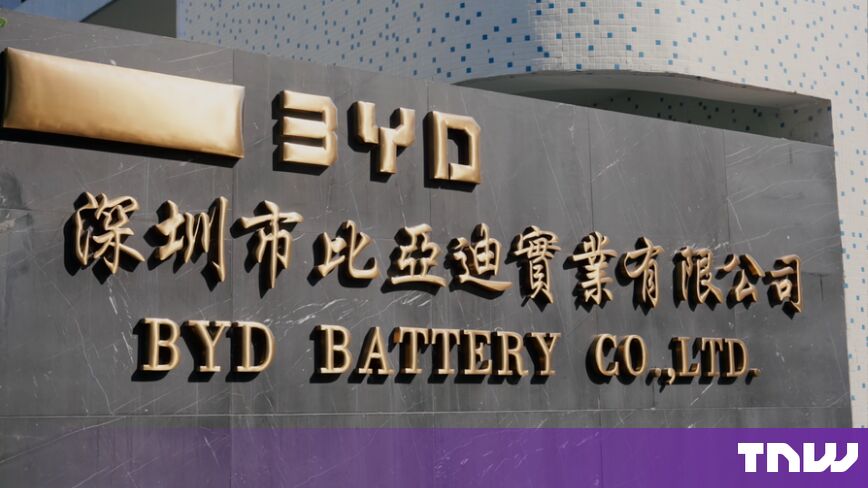
BYD doubled its 1,500kW charging network in five months and wants to double it again by December
BYD hitting 10,000 ultra-high-power “Flash Charging” stations and aiming to double again by year-end shows EV advantage is shifting to vertically integrated charging infrastructure, not just vehicles. European operators should assume AFIR minimums will be table stakes—plan for partnerships or co-investment with OEM-led networks rather than waiting on generic public chargers.