
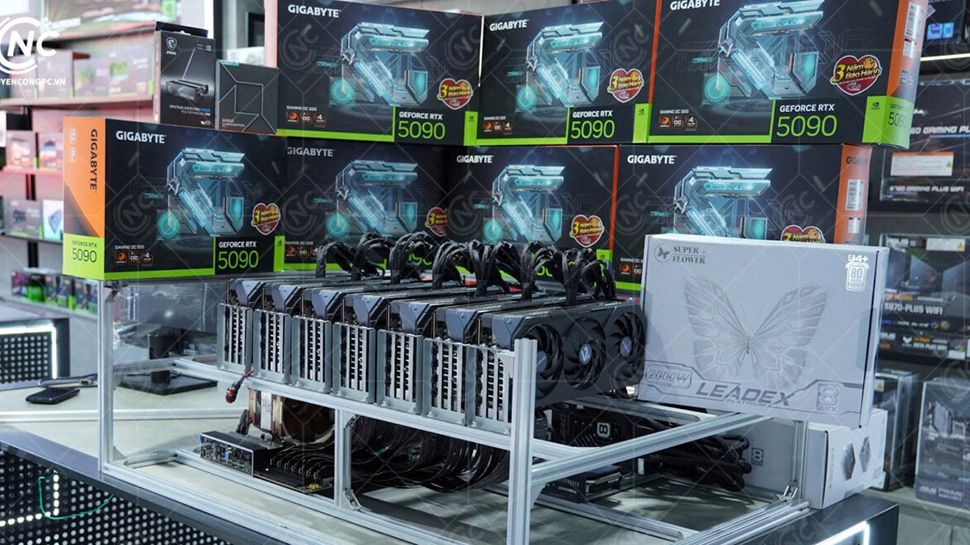
RTX 5090s are going for as much as $9000, as AI server builders reportedly buy Nvidia's flagship by the pallet, but the photos behind the story may be AI-generated
THE SO WHAT
RTX 5090s clearing at ~$9,000 because AI builders are skirting data-center SKUs shows how distorted the GPU market has become. If your workloads can tolerate older or alternative accelerators, this is the moment to arbitrage away from flagship cards and lock in non-speculative supply.
READ THE SOURCE
MORE FROM THE WIRE
 Deep & Emerging Tech
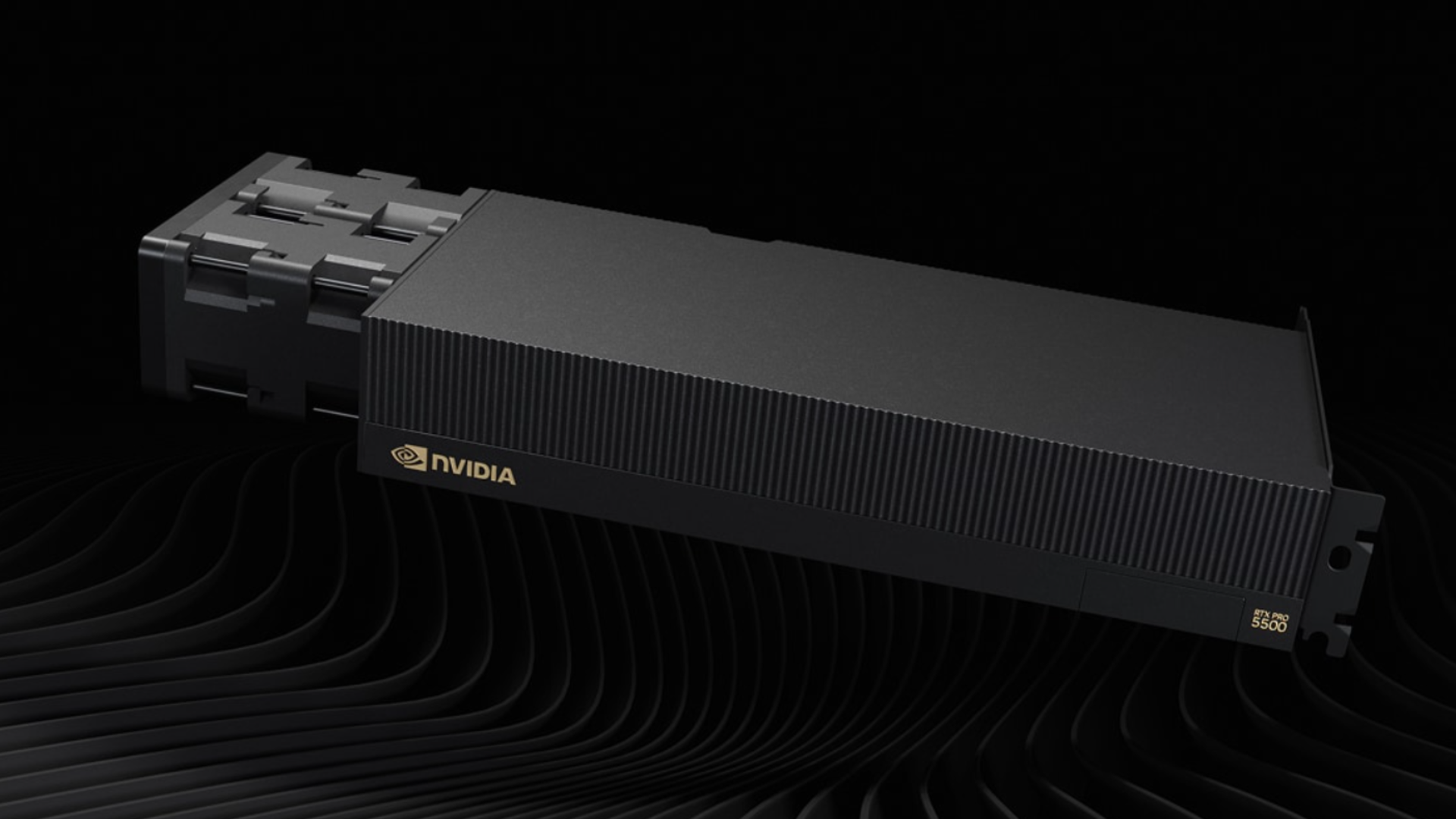
Nvidia uses a memory 'sandwich' technique to cram 84GB GDDR7 memory on RTX Pro 5500 Blackwell GPU — weird 416-bit memory bus leaves me puzzled, though
Nvidia stacking 84 GB of GDDR7 on a workstation-class Blackwell part is a clear tell — high-context, local workloads are getting a dedicated tier between consumer GPUs and data center cards. If you’re planning on-device or edge-heavy AI, budget for this emerging “pro” class as a distinct capacity and cost lane, not an afterthought.
 Deep & Emerging Tech
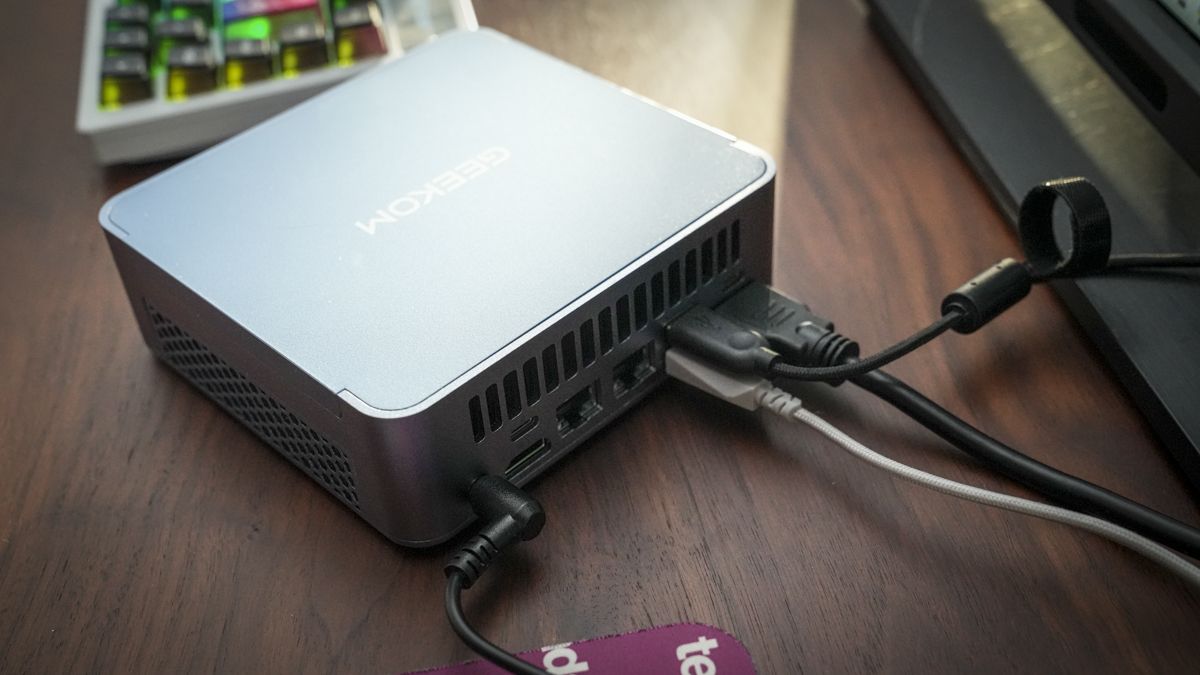
'A great option for any office': Geekom's AX8 Max mini PC combines Ryzen 7 power and Radeon 780M graphics for under $600
A sub-$600 Ryzen 7 mini PC with upgradeable RAM, dual multi-gig LAN, and USB4 is another data point that decent AI-capable edge hardware is now commodity-priced. If you’re still assuming all inference must live in the cloud, revisit your TCO and latency models for office and branch deployments.
 Deep & Emerging Tech
Jeni’s Splendid Ice Creams Founder on New Fiber Company
Turning produce trim — apple cores, watermelon and mango rinds — into fiber snacks with Starbucks as validation shows upcycling is now a mainstream CPG play, not a niche sustainability story. Food operators should be mapping their own waste streams for similar second-life product lines before retailers start demanding it.
 Deep & Emerging Tech
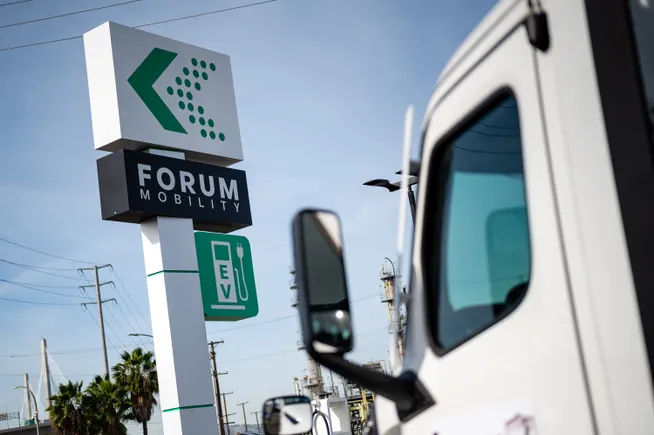
Forum Mobility to open 4 more truck charging sites in California
Additional heavy-truck charging sites in Oakland, Ontario, and Rancho Dominguez point to corridor-by-corridor electrification rather than a uniform national rollout. Fleet operators should align route planning and vehicle procurement with where infrastructure is actually materializing, not state-level targets.