

Rumored, Never-to-Be-Released Apple Feature May Have Been Too Much Truth for Most Consumers
THE SO WHAT
If a feature that simply surfaces how much data a platform holds is considered too confronting, expect more privacy-by-UX than privacy-by-design. For operators, that’s a reminder that consent screens and dashboards are now product surfaces to manage sentiment, not just compliance.
READ THE SOURCE
MORE FROM THE WIRE
 Tech & Innovation
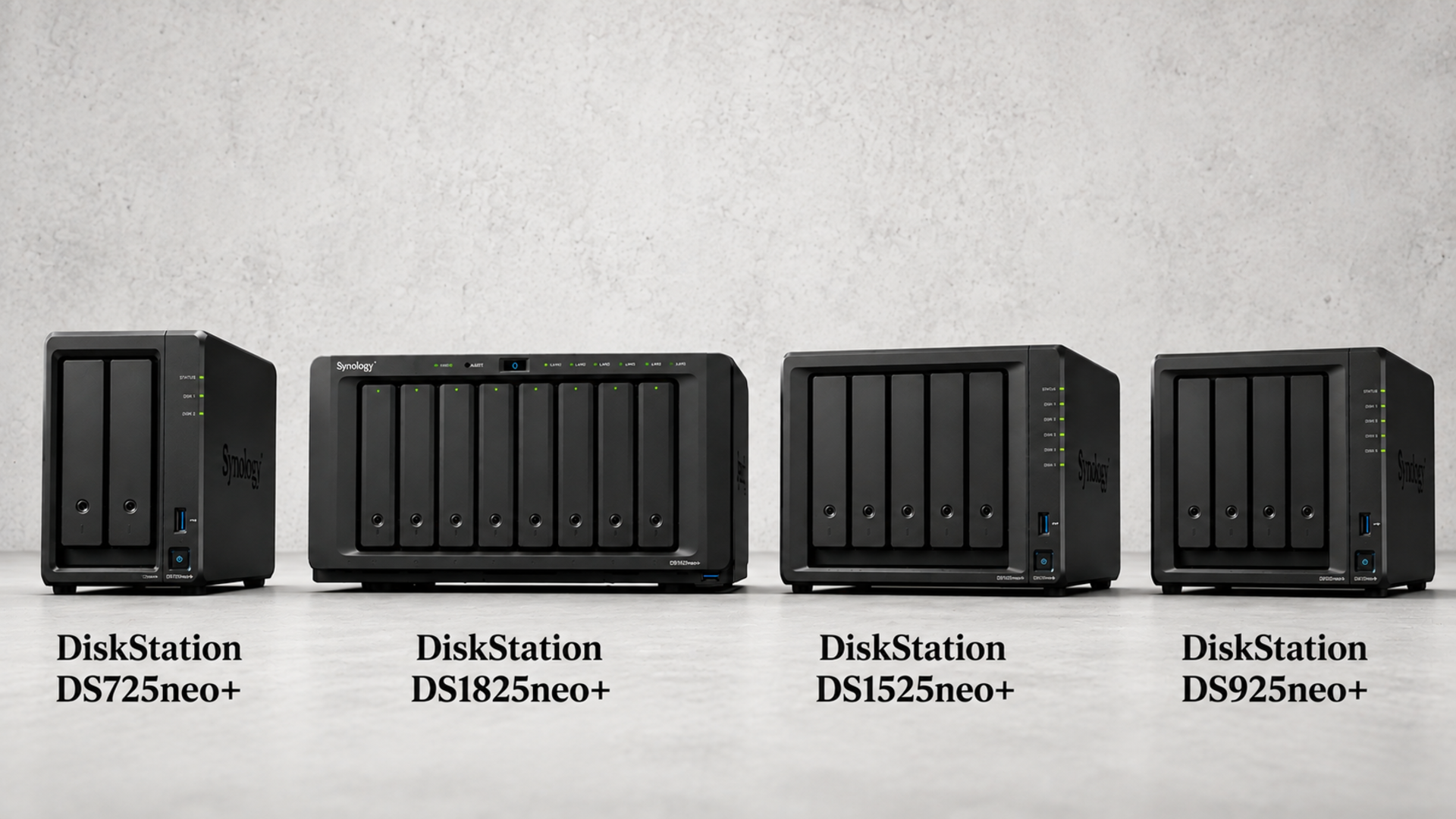
Synology reveals a host of new NAS devices it says can balance budget and power requirements for all users
Cheaper DiskStation neo+ boxes with the same DSM software are a reminder that storage is commoditizing at the hardware layer while the control plane stays sticky. If you're sitting on aging on-prem storage, this is a nudge to separate your decision on software stack from your decision on metal and negotiate accordingly.
 Tech & Innovation
A look at Chinese state-owned investment bank CICC, which sponsored multibillion-dollar listings of China's tech champions, including CXMT and Zhongji Innolight
China is hard-wiring capital markets into its tech industrial policy—CICC’s role in multibillion-dollar listings for CXMT and Zhongji Innolight shows state-backed equity as a strategic weapon, not just financing. Multinationals building in semis, optics, or infra need to assume Chinese peers have structurally different cost of capital and time horizons.
 Tech & Innovation
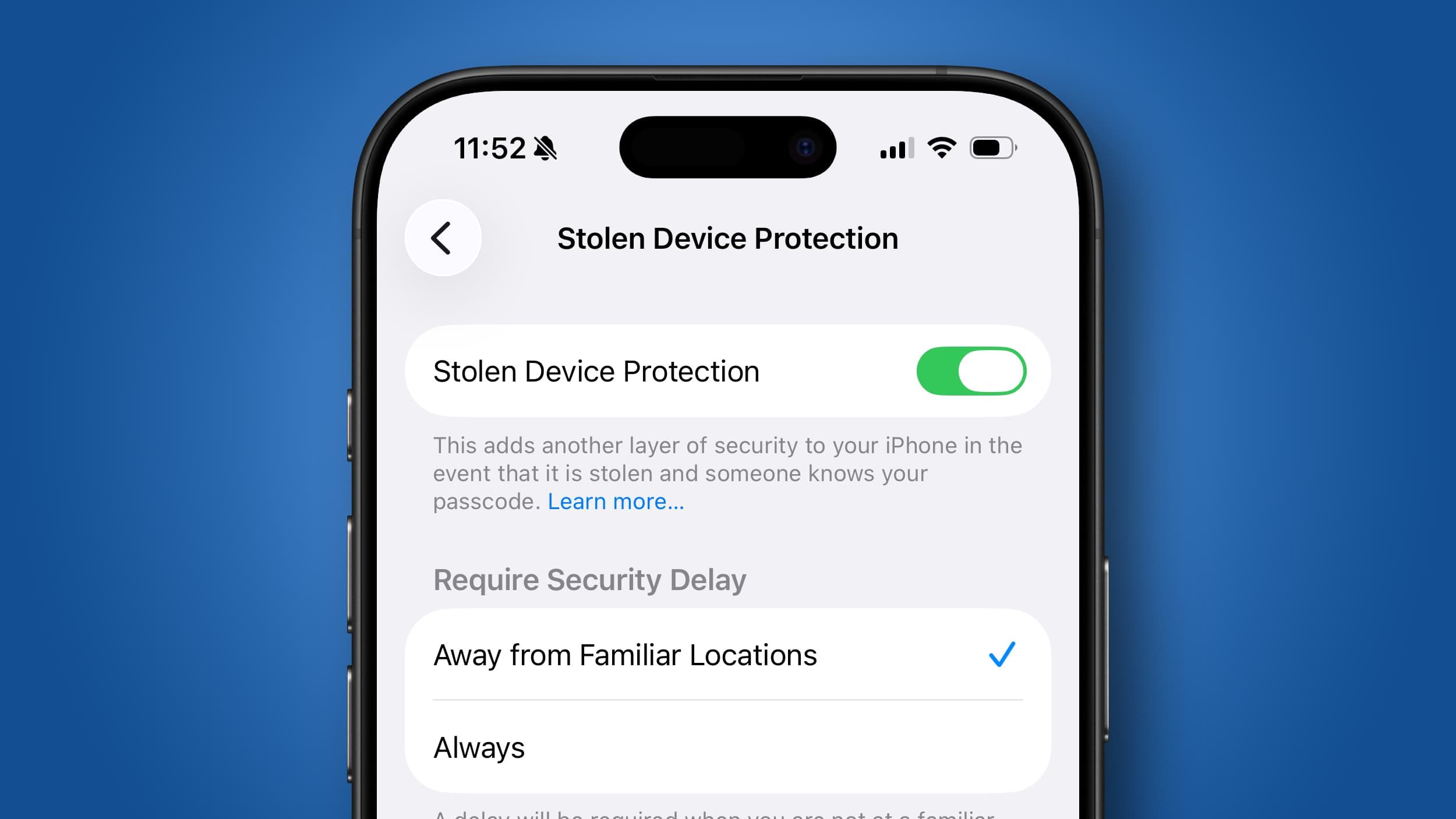
I went down a privacy rabbit hole and came out with a whole new digital setup — here's which security tools I recommend so you can do the same
Consumer-grade privacy stacks are now a patchwork of point tools, not a coherent system. If your product touches identity, messaging, or browsing, assume power users are layering VPNs, password managers, and hardened apps on top — design auth, notifications, and recovery flows that survive in that environment.
 Tech & Innovation
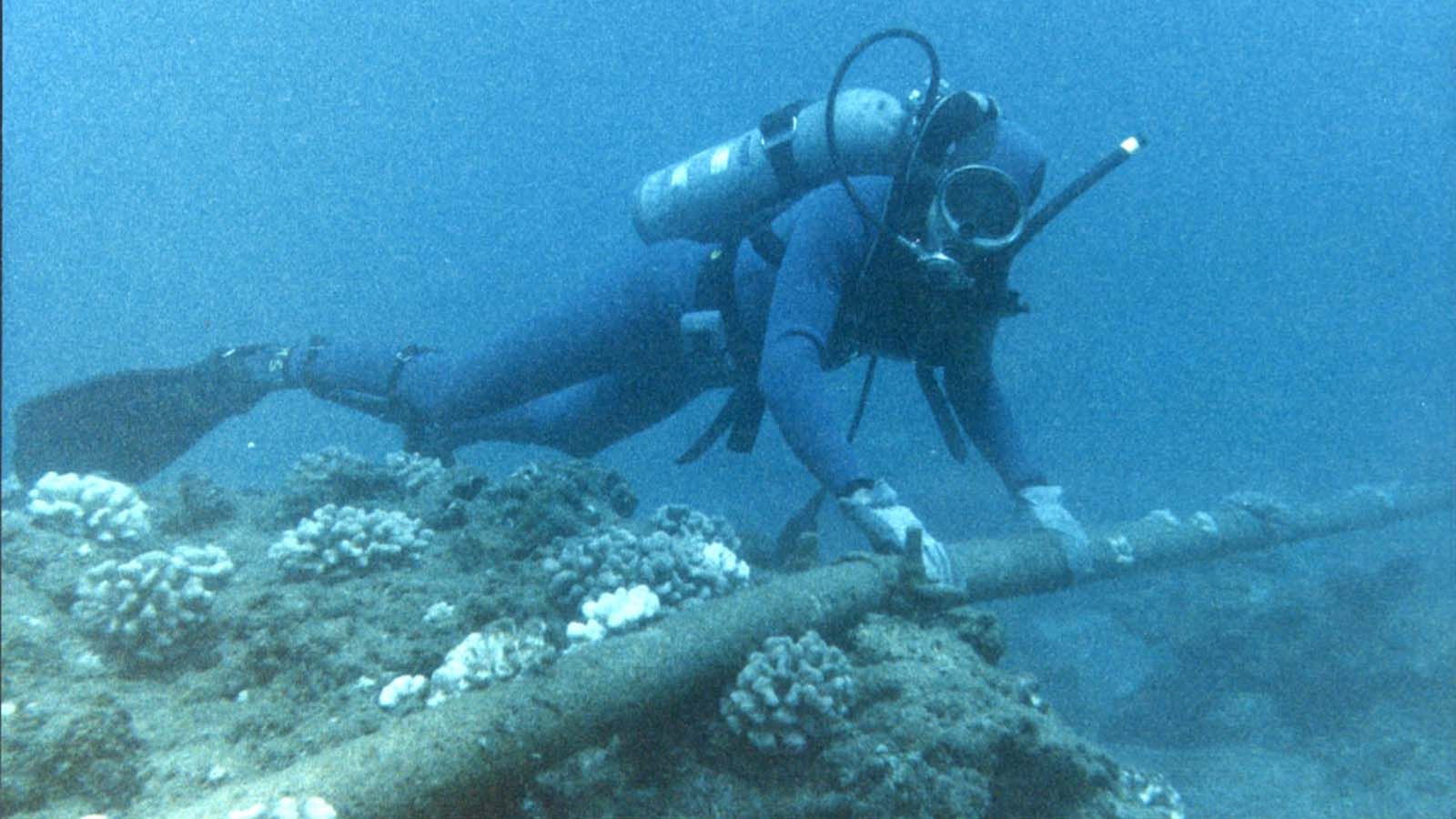
Chinese ship spotted 'lurking' near Taiwan's subsea internet cables linking it to the US
Subsea cables are a single point of failure for both cloud and AI workloads — a research vessel near Taiwan’s US-linked routes is a reminder that physical infrastructure is geopolitical terrain. If you run latency-sensitive or mission-critical systems in the region, model cable disruption the same way you model data center outages.