
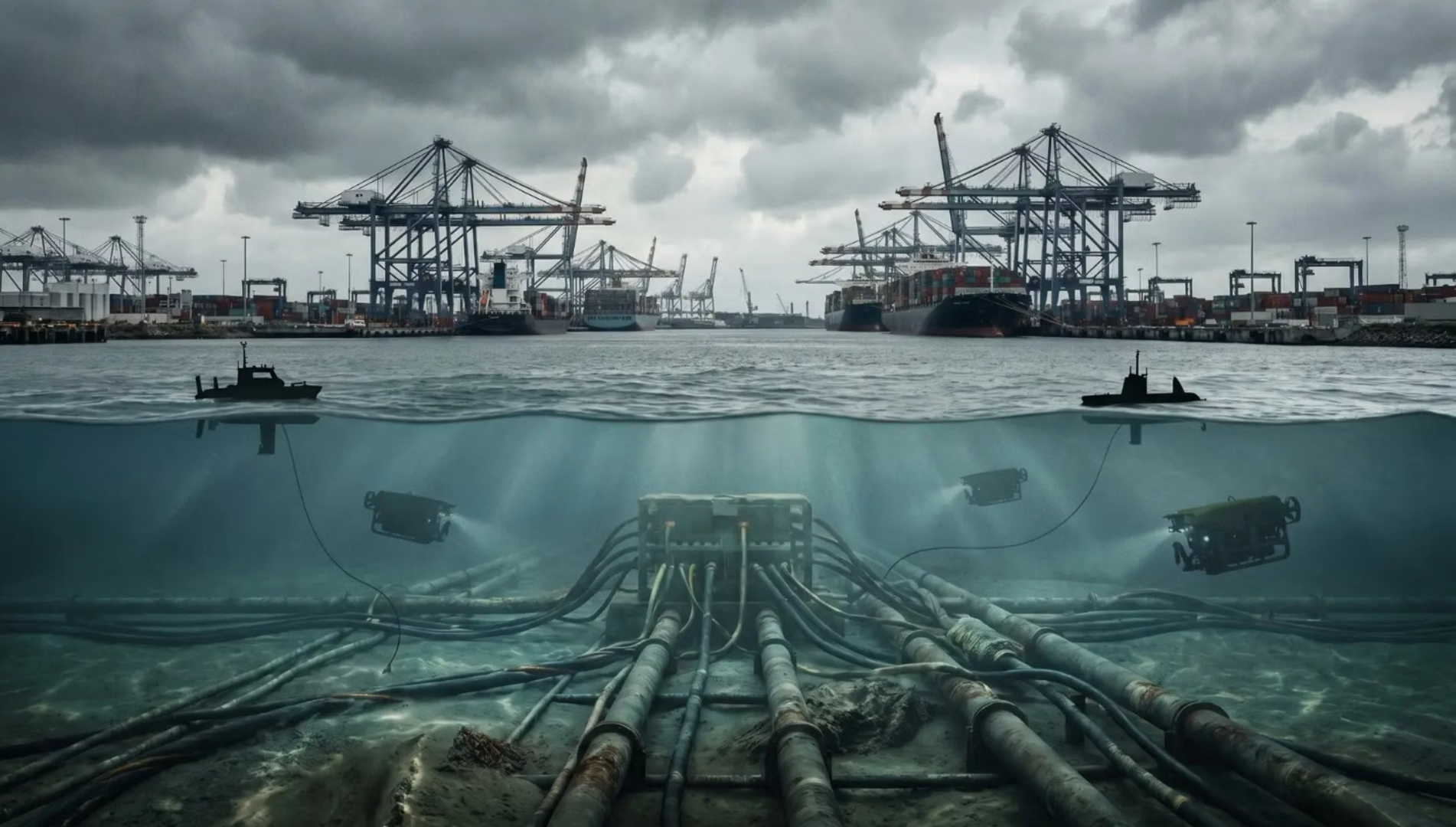
Russia unveils underwater swarm drones for oil and gas exploration — USC could control groups of 'up to 1,000 devices' for ship repair and more
THE SO WHAT
Underwater swarms of up to 1,000 robots for inspection, repair, and logistics point to a future where subsea infrastructure is continuously monitored and serviced by autonomy, not divers and ships. Energy and maritime operators should start mapping which inspection and maintenance workflows could be re-architected around persistent robotic presence rather than episodic human visits.
READ THE SOURCE
MORE FROM THE WIRE
 Robotics & Autonomy
Tesla secures $30B in new credit lines as it looks to scale Cybercab, Optimus
A $30B undrawn credit stack on top of $25B in planned capex is industrial-scale ammo for autonomy and humanoids—this is a balance sheet bet that physical AI is a capital project, not a side R&D line. If you’re building in AVs or robotics, assume pricing and deployment timelines are now anchored by players who can fund multi-year losses to win footprint.
 Robotics & Autonomy
Tesla Lines Up $30 Billion to Borrow With Spending on the Rise
Lining up $30B of loans and credit lines specifically to dial up AI and robotics investment reinforces that capital markets are willing to underwrite physical AI as a long-duration asset class. If you’re raising for similar hardware-heavy plays, your story needs to look less like software multiples and more like energy or infrastructure financing.
 Robotics & Autonomy
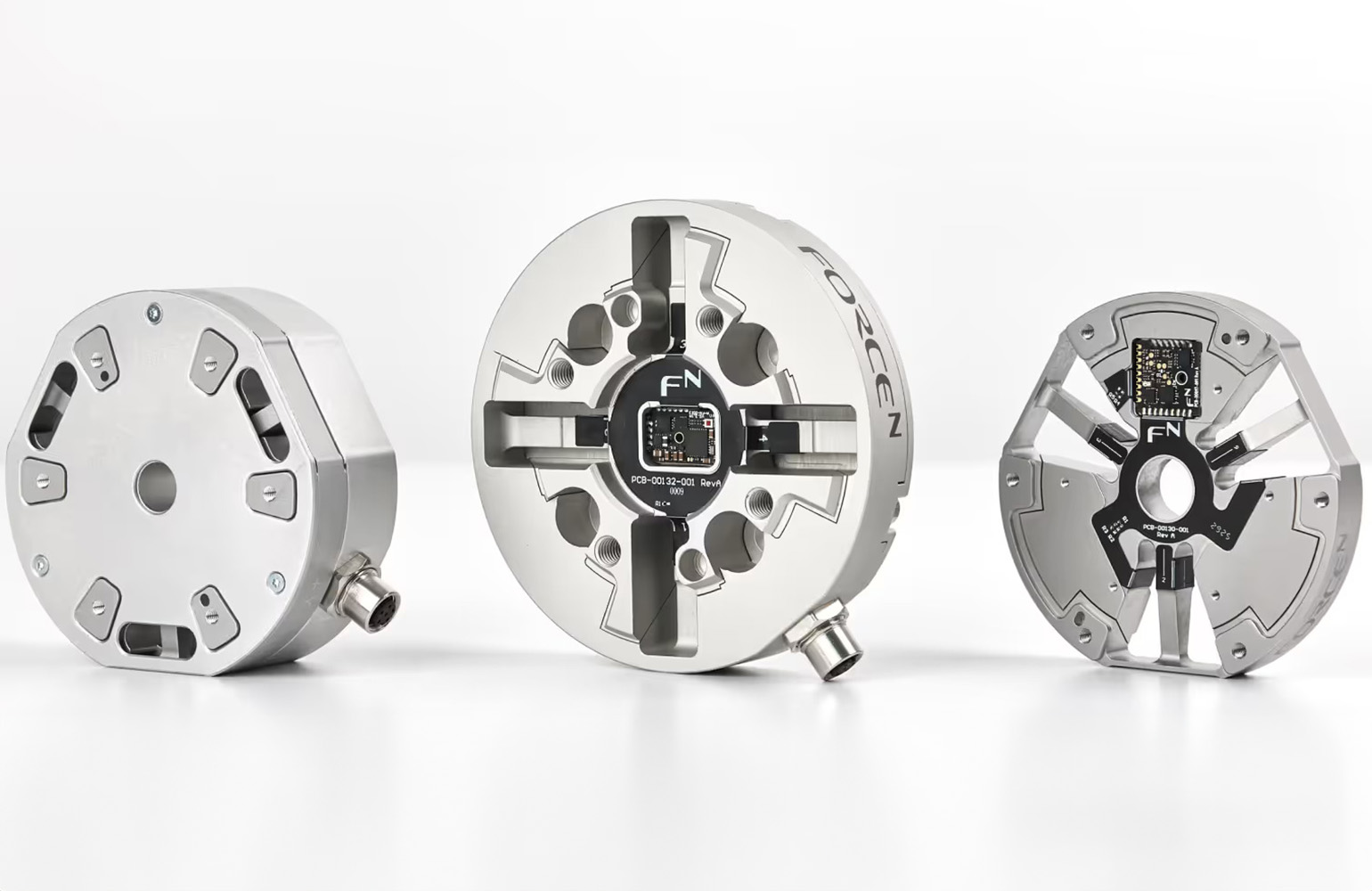
ForceN to give a crash course on force and torque sensing for humanoids at RoboBusiness
Force and torque sensing is the difference between demo-floor humanoids and robots that can actually manipulate in messy factories and warehouses. If you’re evaluating humanoids, your RFP should probe not just locomotion but how vendors sense and control contact forces — that’s where uptime and safety will be won or lost.
A US military task force just showed it's ready to bet billions of dollars on answers to the drone problem
A US task force preparing to spend billions on layered counter-drone systems is a demand shock for sensing, EW, and autonomy vendors. Dual-use startups in perception or tracking should be ready for defense-grade requirements—interoperability, ruggedization, and long procurement cycles—alongside the capital pull.