
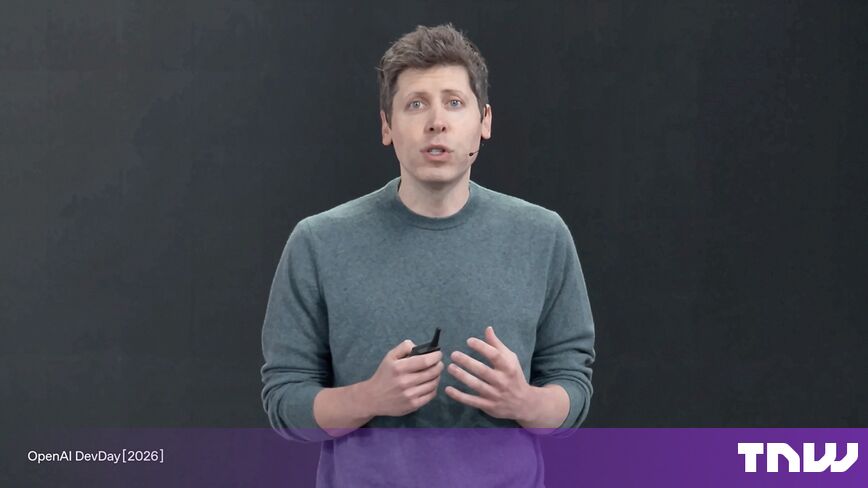
Sam Altman says OpenAI will disclose more incidents of rogue AI models
THE SO WHAT
More disclosed “rogue” incidents means model misbehavior is moving from theoretical to operational risk—and into the public record. If you’re adopting frontier models, you need your own incident taxonomy, escalation paths, and comms plan rather than relying on vendor disclosures after the fact.
READ THE SOURCE
MORE FROM THE WIRE
 Applied AI
Amazon Alexa Plus keeps creepily singing ‘lalala’ for minutes on end
A mainstream assistant looping “lalala” for minutes and being unaware of it is a trust failure, not just a bug—users will remember the weirdness more than any new feature. If you ship voice or agentic experiences into homes, you need hard guardrails and observability around failure modes that feel uncanny, not just incorrect.
 Applied AI
UAE's Al Bannai on AI Developments
A Falcon model tuned to Emirati dialect is another data point that national and regional LLMs will coexist with global backbones, especially where language and culture are strategic. If you operate in MENA, assume your customers and regulators will increasingly expect local-language, locally-governed models in the stack.
 Applied AI
When identity isn’t human: securing the agentic enterprise
Once AI agents can act across systems, identity stops being a human-only concept and becomes a runtime control surface. CISOs and CIOs should be mapping agents into their IAM, logging, and policy stacks now—before “who did this?” becomes unanswerable in production.
 Applied AI
Italy opens investigation into AI music company Suno over its terms
Italy’s AGCM probing Suno’s terms under consumer law shows AI music is moving from IP gray zone into formal regulatory scrutiny. If you run generative media products in Europe, assume your T&Cs and consent flows are now product-surface risk, not just legal boilerplate.