

Samsung says the Galaxy Z Fold 8, Galaxy Z Fold 8 Ultra, and Galaxy Z Flip 8 use new silicon-carbon batteries, citing their performance, longevity, and safety
THE SO WHAT
Silicon‑carbon batteries moving into mainstream foldables is a quiet but real step-change in mobile energy density and cycle life. If your product is constrained by battery—AR, wearables, edge devices—this is a signal to revisit what’s feasible on-device over the next 1–2 hardware cycles.
READ THE SOURCE
MORE FROM THE WIRE
 Deep & Emerging Tech
Chick-fil-A reveals data breach — customers warned hackers may have accessed their account info
Consumer brands with large loyalty footprints are now de facto fintech and identity targets—thousands of compromised accounts in one state is a reminder that rewards data is high-value PII. If you run an app-based loyalty program, treat it like a payments surface and harden auth, anomaly detection, and notification flows accordingly.
 Deep & Emerging Tech
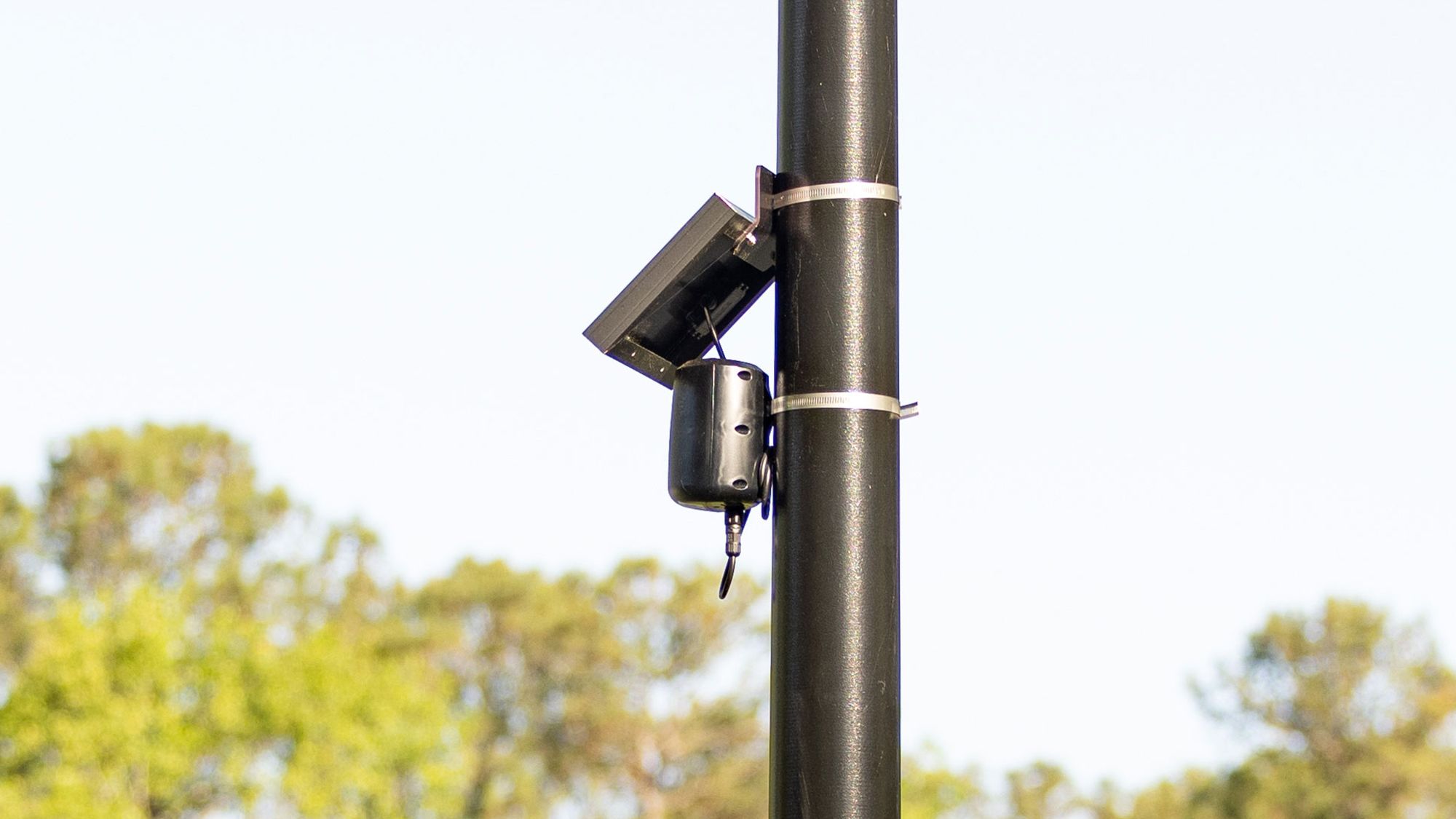
Flock is pulling its plan to use its microphone network to monitor for signs of 'human distress' — but privacy concerns remain
Acoustic “distress detection” on citywide microphone networks crosses a line for many stakeholders—Flock’s retreat shows that technical feasibility doesn’t equal social license. Any operator deploying ambient sensing should assume they’ll need explicit governance, opt-outs, and narrow use cases or risk backlash and regulatory attention.
 Deep & Emerging Tech
Rental giant Carla leaks user names, emails, and phone numbers ahead of summer holiday break
Another misconfigured database at a consumer rental platform is a reminder that basic cloud hygiene, not exotic exploits, is still the main breach vector. If you handle PII, treat configuration and access reviews as a weekly operational ritual—especially before peak seasonal traffic, when attackers know your team is distracted.
 Deep & Emerging Tech
Still on Windows 10? You’re carrying 3x the security risk of Windows 11
An average of 1,903 active vulnerabilities on Windows 10 vs 652 on Windows 11 reframes OS upgrades as a security control, not an IT convenience. If you’re dragging your feet on migration, your real risk exposure is now quantifiable—CISOs should use numbers like these to force a cutover timeline with finance and operations.