
Samsung, SK Hynix at Center of South Korea's AI Drive
THE SO WHAT
South Korea orchestrating ~$880B around Samsung and SK Hynix cements memory and advanced packaging as national AI leverage, not just component businesses. For anyone building AI infra, long-term supply and pricing power on HBM and NAND are going to be set as much in Seoul’s industrial policy as in vendor negotiations.
READ THE SOURCE
MORE FROM THE WIRE
 Deep & Emerging Tech
Rocket Lab plans to acquire Iridium for $8B and combine Rocket Lab's launch services with Iridium's satellite-based communications network to rival SpaceX
A launch provider buying a 66-satellite comms network is vertical integration in space—distribution plus service in one balance sheet. If your product depends on orbital bandwidth or timing, assume fewer, more integrated constellations and negotiate long-term capacity, not one-off rides.
 Deep & Emerging Tech
Rocket Lab to take on SpaceX’s Starlink with $8 billion acquisition
Calling Iridium a “shortcut” is code for buying time-to-market—Rocket Lab is trading $8B for an instant global comms footprint. Anyone planning to build on LEO connectivity should model a world with 3–4 vertically integrated networks, not a fragmented field of resellers.
 Deep & Emerging Tech
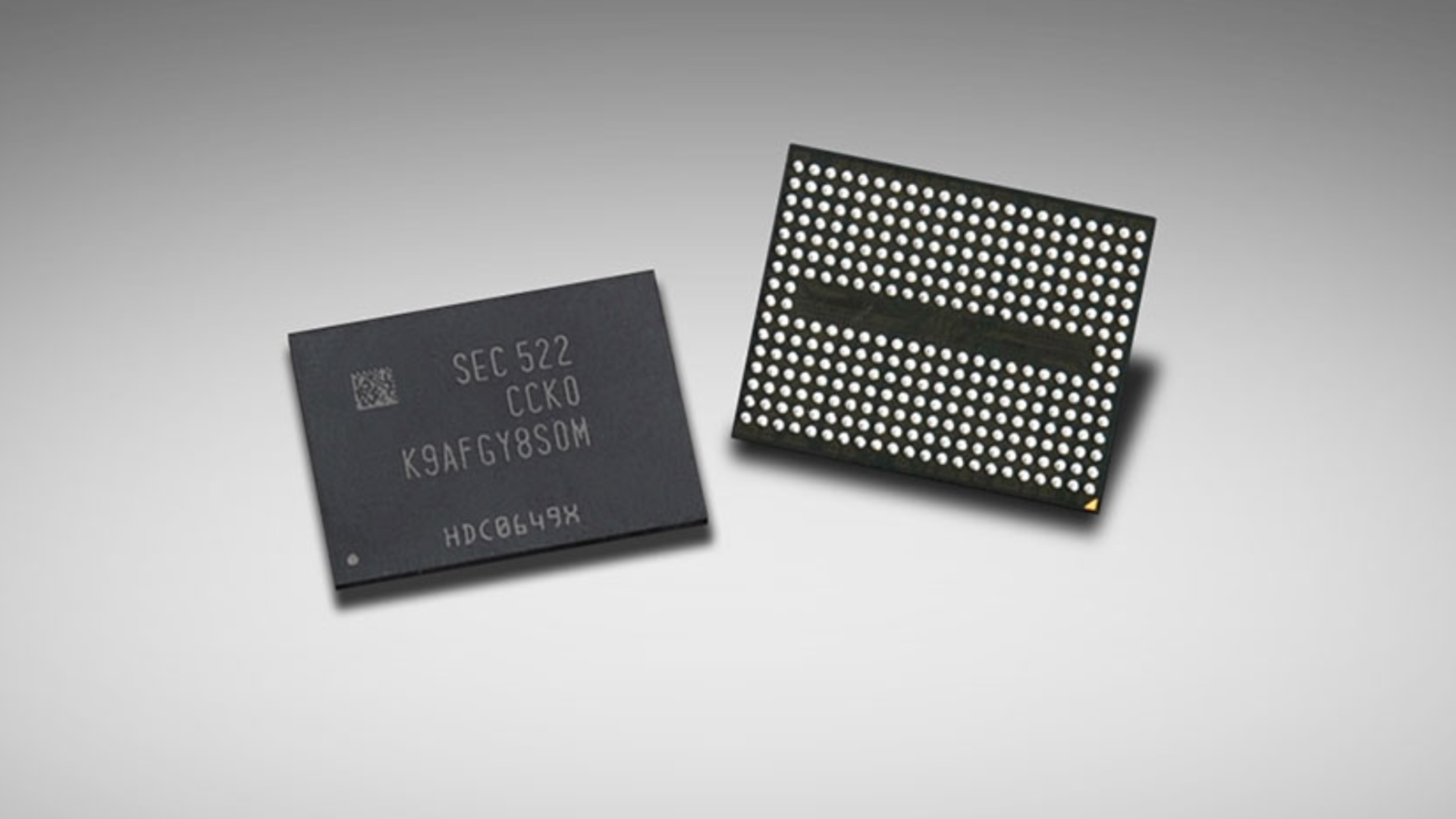
Samsung doubles down on 1000-layer NAND for petabyte SSDs as it sets its sights on elusive 32TB M.2 solid state drives (you remember this right?)
Roadmaps to 1000-layer NAND and 32TB M.2 drives mean storage density is about to outpace many orgs’ data governance and backup practices. If you’re planning AI or analytics infra, assume local petabyte-scale SSDs are coming and design around bandwidth, failure domains, and data lifecycle now.
 Deep & Emerging Tech
SandboxAQ Brings Large Quantitative Models to Google Cloud Marketplace
Physics-grounded Large Quantitative Models exposed via Google Cloud turn niche quant tooling into something any analyst with a chat interface can hit. If you’re in finance, materials, or pharma, this is a cue to inventory which hard simulation problems could move from specialist bottlenecks to self-serve workflows.