

Sapiom, which helps businesses build, ship, and scale AI agents and lower token costs, raised a $35M Series A led by Dragonfly, taking its total funding to $50M
THE SO WHAT
Routing workloads to the lowest-cost tokens is the first step toward a meta-coordination layer that arbitrages across models, providers, and pricing in real time. If you’re building agentic systems at scale, you now have to assume your customers will expect dynamic cost routing rather than static vendor lock-in.
READ THE SOURCE
MORE FROM THE WIRE
 Startups & Venture
Figma reports Q2 revenue up 48% YoY to $370.1M, vs. $351.6M est., and lifts annual revenue forecast but keeps profit outlook intact; FIG drops 15%+ after hours
Figma growing 48% to $370M and still getting hit 15% after hours is another data point that markets are repricing high-growth SaaS on margin discipline, not just AI-fueled top line. If you’re in a similar bucket, expect less credit for “AI demand” narratives and more scrutiny on cost curves and unit economics.
 Startups & Venture
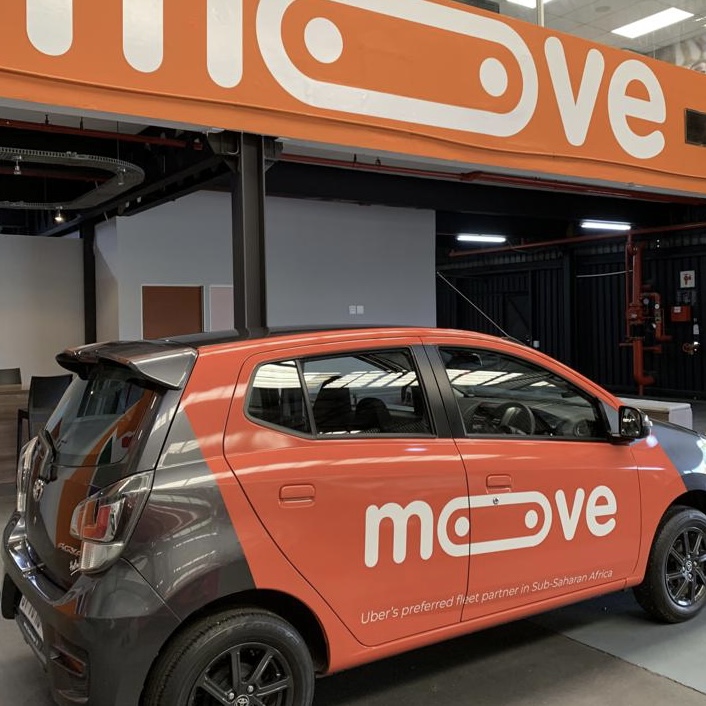
Moove raises $250M to become the backbone of the robotaxi industry
Moove’s $250M raise to manage—and eventually own—robotaxis highlights that fleet financing and ops could be the real choke point in AV, not just autonomy software. Cities and AV developers should expect specialized asset operators to sit between them and the end rider, shaping pricing and deployment pace.
 Startups & Venture
How Lightspeed found its newest hire … via Instagram DM
A top-tier fund hiring via Instagram DM is a data point that social presence is now part of the recruiting funnel, not just brand marketing. If you’re competing for scarce talent, your operators—not just your corporate account—need to be discoverable and active where candidates actually spend time.
 Startups & Venture
Why Lightspeed is going all-in on creator-led venture capital
Venture firms leaning into creator-led content—podcasts, social, media acquisitions—are turning distribution into a pre-investment moat. Founders should evaluate investors not just on capital and network, but on whether their media footprint can actually move hiring, customers, and follow-on interest.