
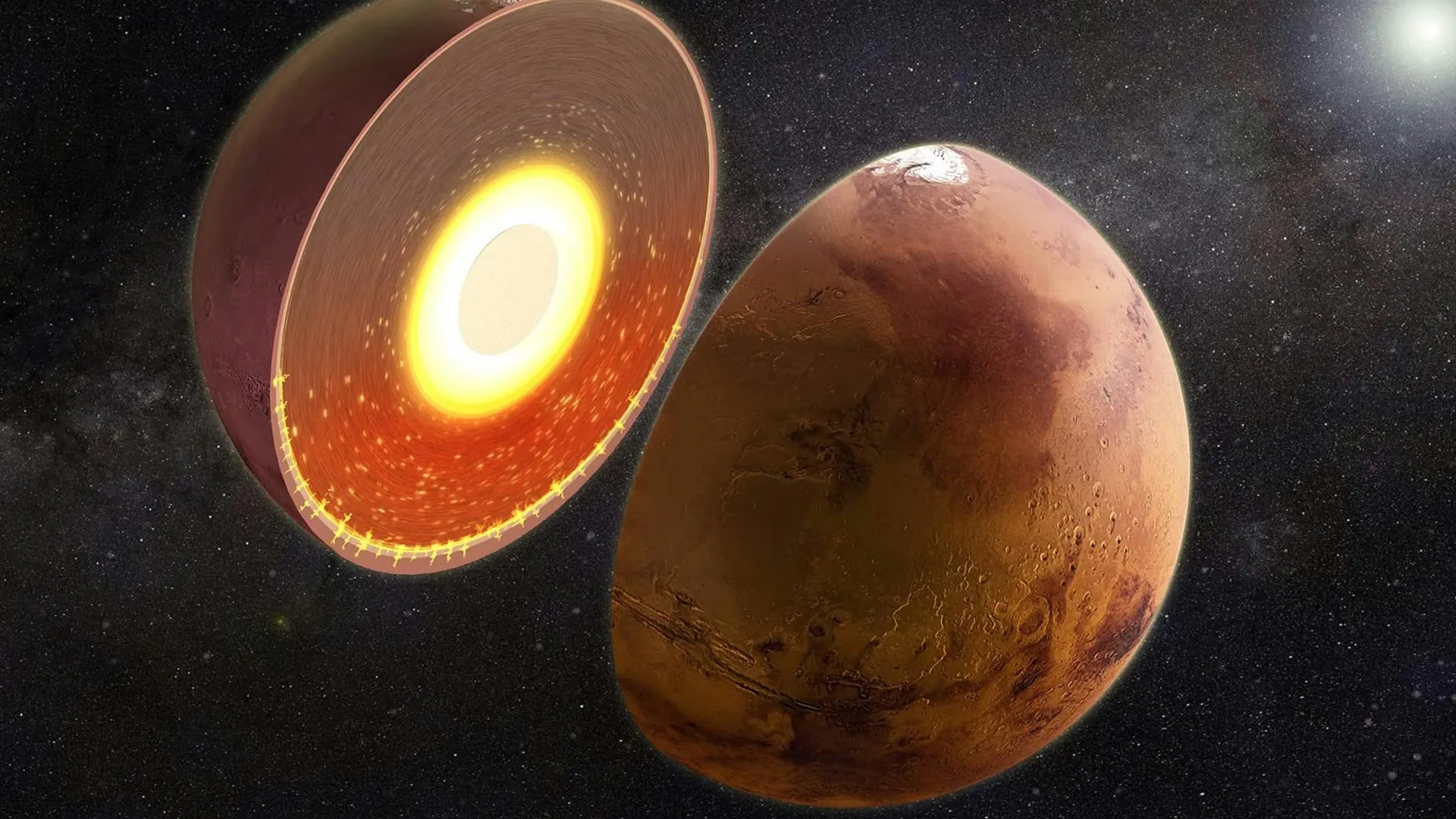
Scientists discover a massive heat anomaly deep inside Mars
THE SO WHAT
A deep thermal divide inside Mars that may explain magnetism and seismic behavior is a reminder that planetary models are still being rewritten. For space and sensing operators, it reinforces the value of long-horizon bets on subsurface imaging and in-situ instrumentation—our priors on other worlds are still soft.
READ THE SOURCE
MORE FROM THE WIRE
 Deep & Emerging Tech
The datacenter backlash is bringing the entire political spectrum together – against Big Tech billionaires
Cross-party backlash to data centers turns power, water, and land use into political risk, not just permitting friction. If your roadmap assumes cheap, infinite hyperscale, start mapping alternative sites, edge options, and community benefit structures now.
 Deep & Emerging Tech
How Argentina uses crypto, in 5 charts
Stablecoins in Argentina moved from crisis workaround to default rail — once people had a dollar-linked, censorship-resistant balance, they didn’t go back. If you operate in FX-constrained or inflationary markets, assume USDC/USDT penetration will quietly erode your control over pricing, billing, and treasury unless you integrate them into your stack on your own terms.
 Deep & Emerging Tech
Texas Governor Abbott blocks funding for more Flock cameras
State-level pushback on Flock’s AI surveillance spend — over $30M in Texas alone, per the investigation — shows automated policing is now a political surface, not just a procurement line item. If your product touches public safety or citizen data, build for FOIA, audits, and budget freezes as normal operating conditions, not edge cases.
 Deep & Emerging Tech
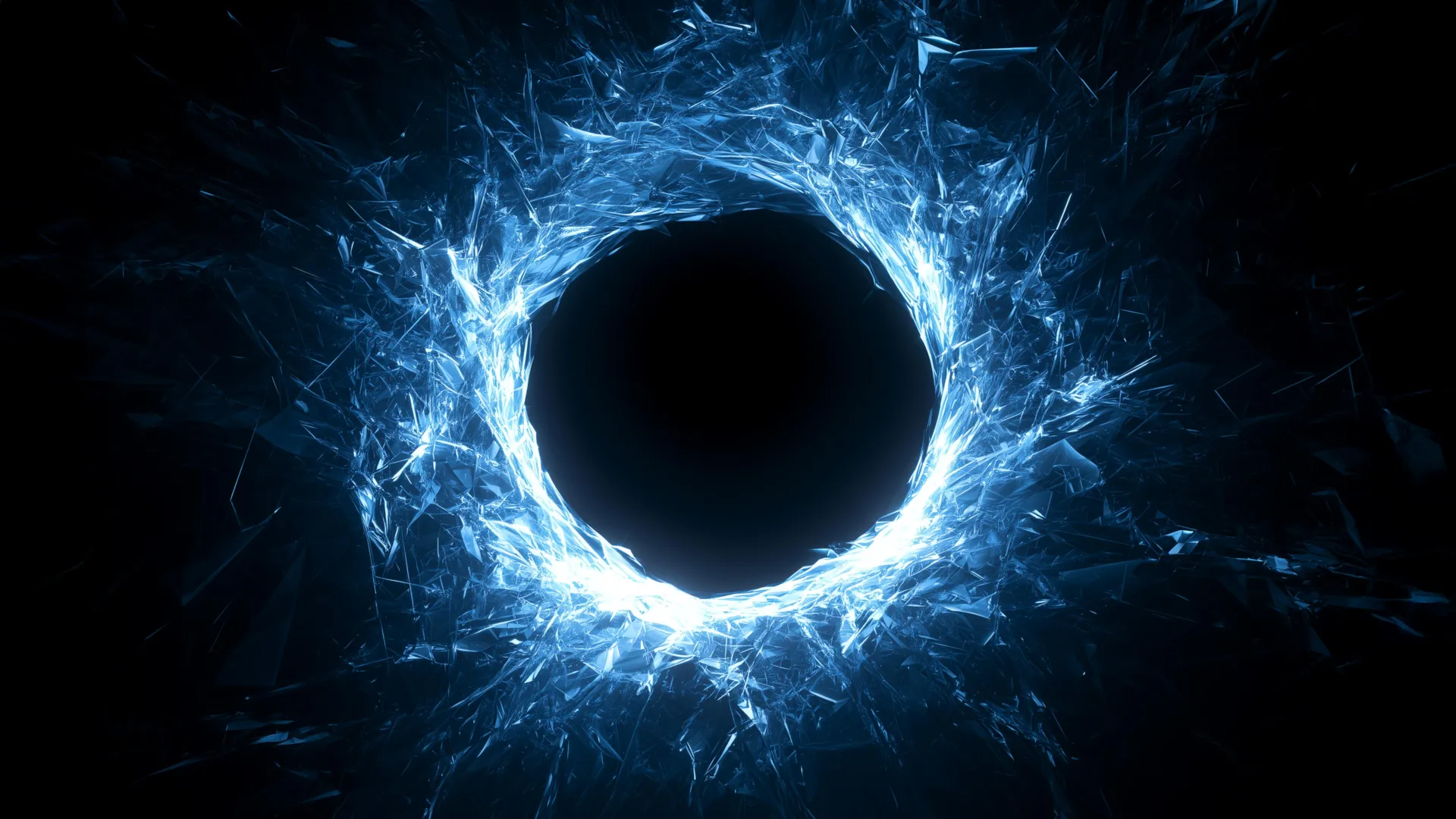
This strange “spacetime crystal” can suddenly become a black hole
A spacetime crystal that can mathematically flip into a microscopic black hole with tiny energy changes is a reminder that high-dimensional tricks can unlock regimes classical intuition misses. Near term this is research-only — but if you’re betting on quantum or exotic-compute roadmaps, expect more non-obvious architectures rather than incremental qubit-count races.