
Shein CEO’s Wealth Slumps $15 Billion After Whittled-Down IPO
THE SO WHAT
The $15 billion hit to Shein’s CEO is a visible marker of how quickly public markets can re-rate growth stories built on regulatory gray zones. Founders and late-stage teams should read this as a warning: governance, compliance, and supply-chain transparency are now valuation levers, not just risk footnotes.
READ THE SOURCE
MORE FROM THE WIRE
 Tech & Innovation
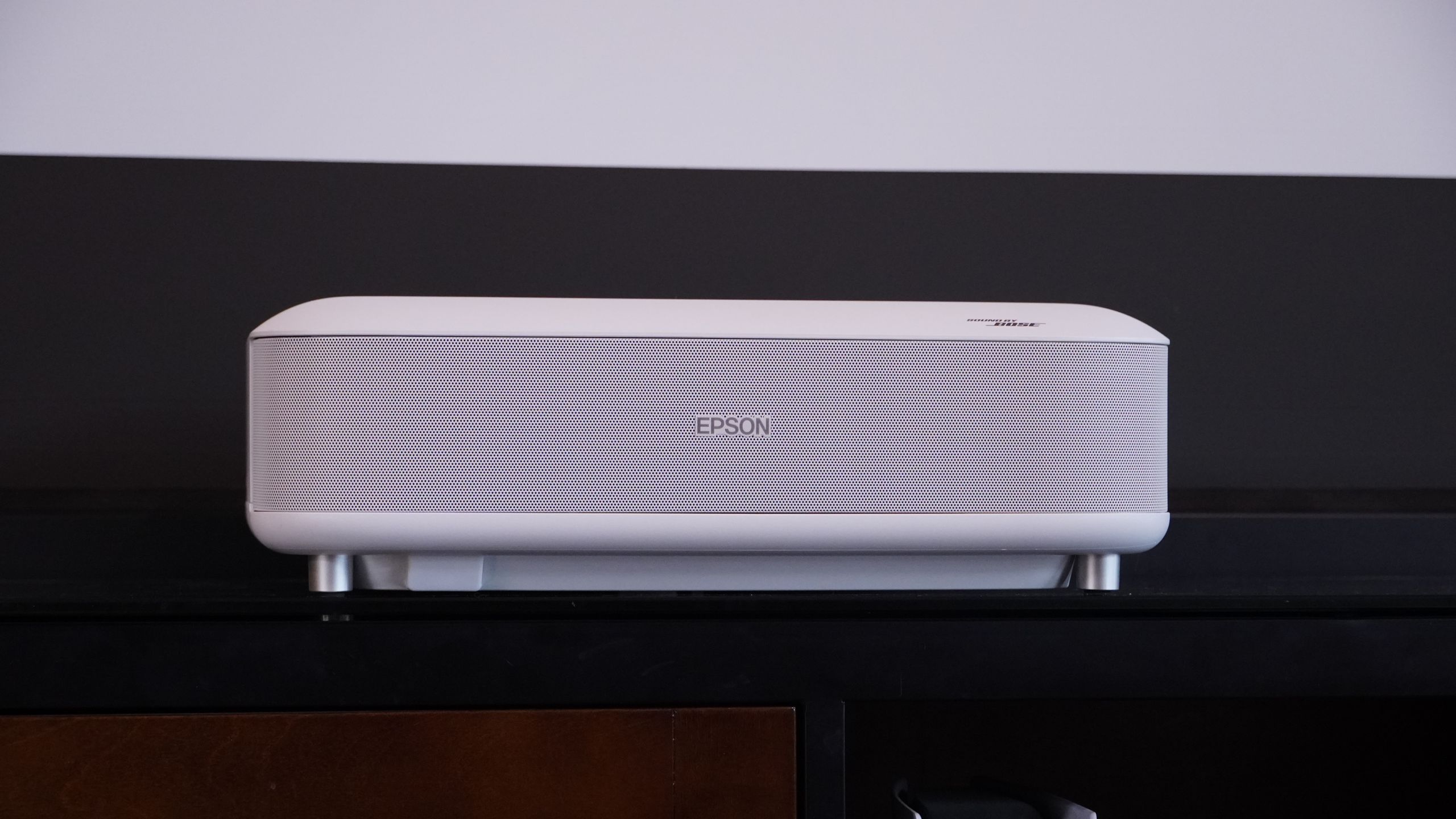
‘Makes up for its predecessor’s fumbles, rather than actually keeping pace with competitors’ — I like this Epson projector’s Google TV OS and boosted HDMI ports but these quality of life upgrades are too little too late
Incremental hardware refreshes that mostly fix past issues are a warning for any mature device line—customers now benchmark against category leaps, not your last model. If you ship hardware, your roadmap needs at least one step-change feature per cycle or you’re just buying time on price and channel.
 Tech & Innovation
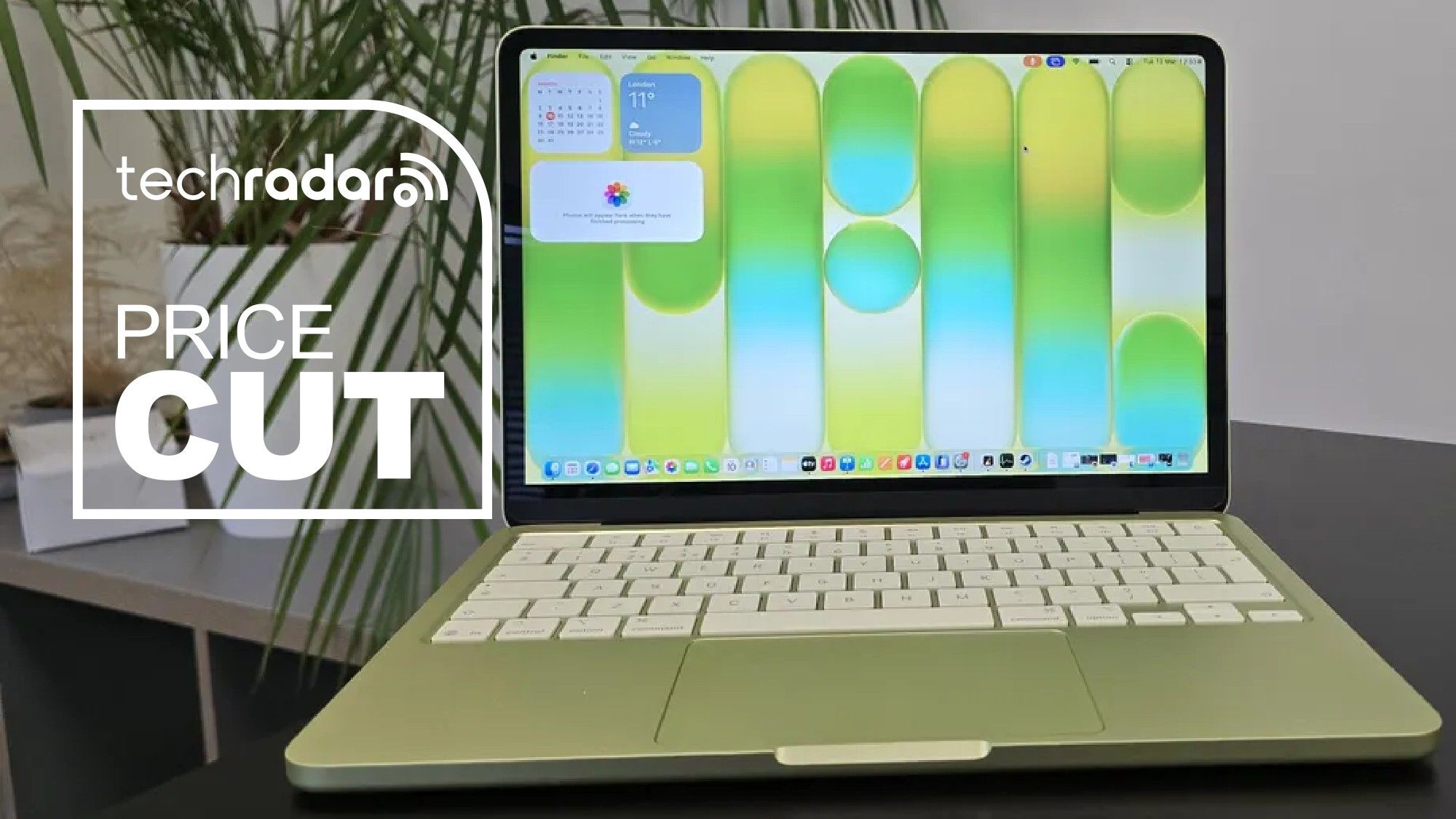
The MacBook Neo may no longer be 'affordable', but a small discount sees it drop to a three-figure price
The MacBook Neo drifting from AU$899 to ~AU$1,000 and still being framed as a deal shows how quickly the floor on “budget” laptops can move. If your product depends on a sub-$1,000 hardware narrative—education, SMB, field teams—assume that bar is rising and revisit your TCO story, not just sticker price.
 Tech & Innovation
Shien Set for Long-Awaited Hong Kong IPO Debut
Ultra-fast fashion’s tax and regulatory arbitrage window is closing—Shein’s downshifted Hong Kong IPO is a repricing of that entire model, not just one company. If your margins depend on cross-border loopholes or opaque supply chains, assume public markets and regulators will compress that spread over the next 12–24 months.
Tech & InnovationThe challenges John Ternus inherits as he replaces Tim Cook on Sept. 1 amid rising component costs, staff retention issues, efforts to catch up in AI, and more
Apple’s leadership handoff with John Ternus comes exactly as component costs rise, top talent is mobile, and the company is under pressure to show AI traction—hardware, supply chain, and AI strategy are now one problem, not three. If you build on or compete with Apple’s ecosystem, assume more aggressive vertical integration around AI silicon and on-device experiences over the next product cycles.