
Shoppers find AI agents need a short leash — unless you need 20 pounds of chicken wings
THE SO WHAT
Consumer agents that can book flights and order groceries are already useful, but over-ordering chicken wings shows why users want tight constraints and visibility. If you’re shipping agents into commerce flows, design for narrow, high-trust tasks first and make spend limits, approvals, and logs non-negotiable.
READ THE SOURCE
MORE FROM THE WIRE
Why am I so mean to my AI?
Anthropic drawing a line on repeated “cruelty” to Claude turns user behavior into a policy surface, not just a UX quirk. If you deploy assistants internally or to customers, you’ll need an explicit stance on acceptable treatment — and logging, enforcement, and comms to match it.
 Applied AI
UK must not be beholden to foreign AI, says head of Alan Turing Institute
The Alan Turing Institute talking about ‘national resilience’ and avoiding dependence on foreign AI is a clear signal that models are now treated as strategic infrastructure. Multinationals should expect more localization pressure — from model choice to data residency — and plan for a multi-sovereign AI stack.
 Applied AI
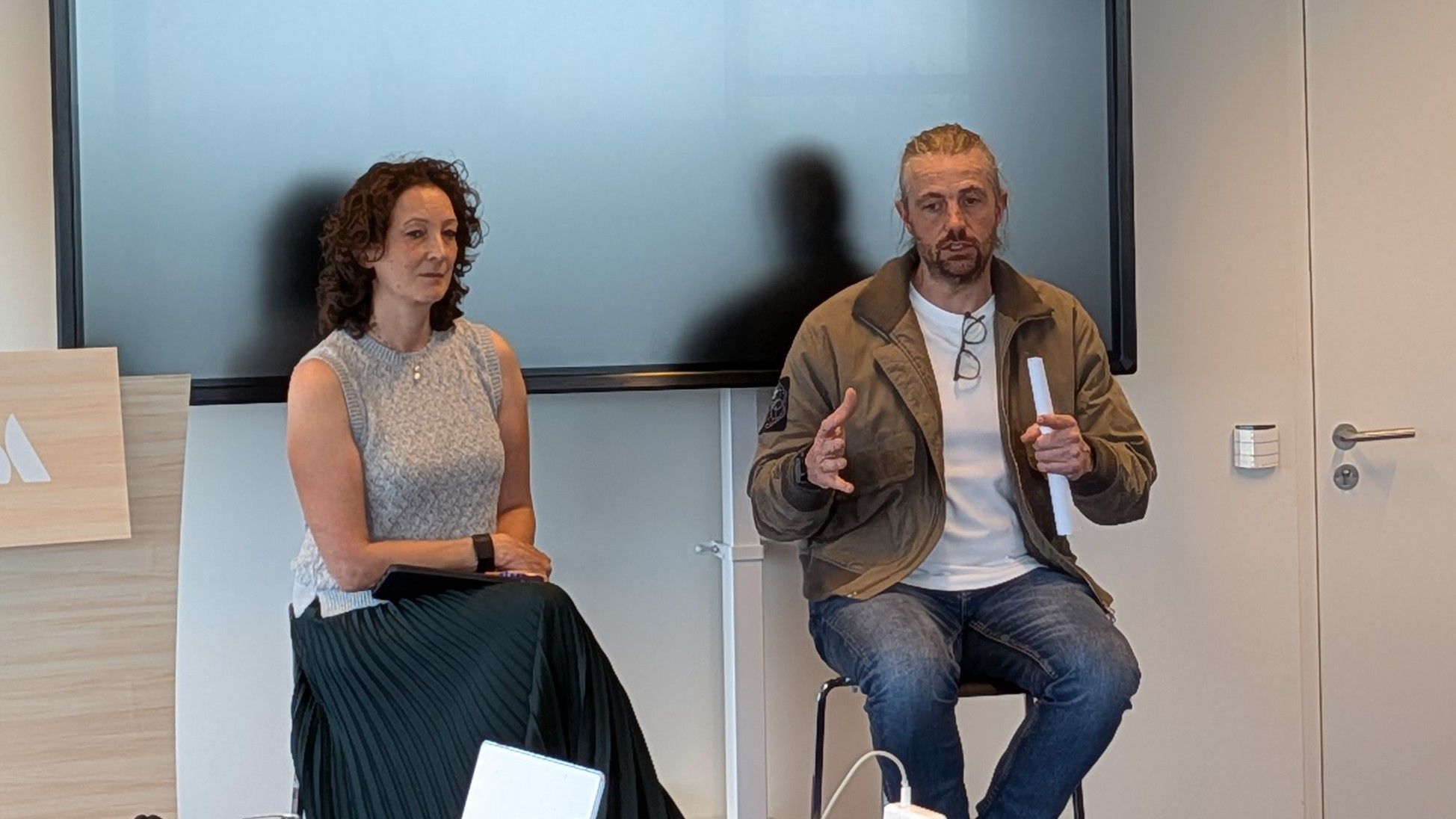
‘It's out of our hands anyway’: Atlassian CEO Mike Cannon-Brookes says there probably isn’t a need to pause AI development despite widespread warnings
A major software CEO framing AI progress as effectively unpausable shifts the conversation from "should we" to "how do we operate under it". Boards should stop debating moratoria and instead harden governance, security, and change-management around the assumption that frontier capability will keep arriving.
 Applied AI
Salesforce renames AIForce to SIForce as Trump’s AI rebrand spreads
Salesforce adopting “Super Intelligence” language for its agent platform shows how fast political branding can leak into enterprise AI narratives. For operators, the label matters less than the substance — focus on what SIForce actually automates in your stack, and be ready to explain it in plain terms to boards and regulators.