

Siri AI, a profoundly more capable and personal assistant, is here
THE SO WHAT
Apple framing Siri AI as more “personal” is a signal that on-device context and privacy are core to their assistant strategy, not just speed. For operators handling sensitive data, this creates room to experiment with assistant-driven workflows on Apple hardware that would be harder to justify with purely cloud-based agents.
READ THE SOURCE
MORE FROM THE WIRE
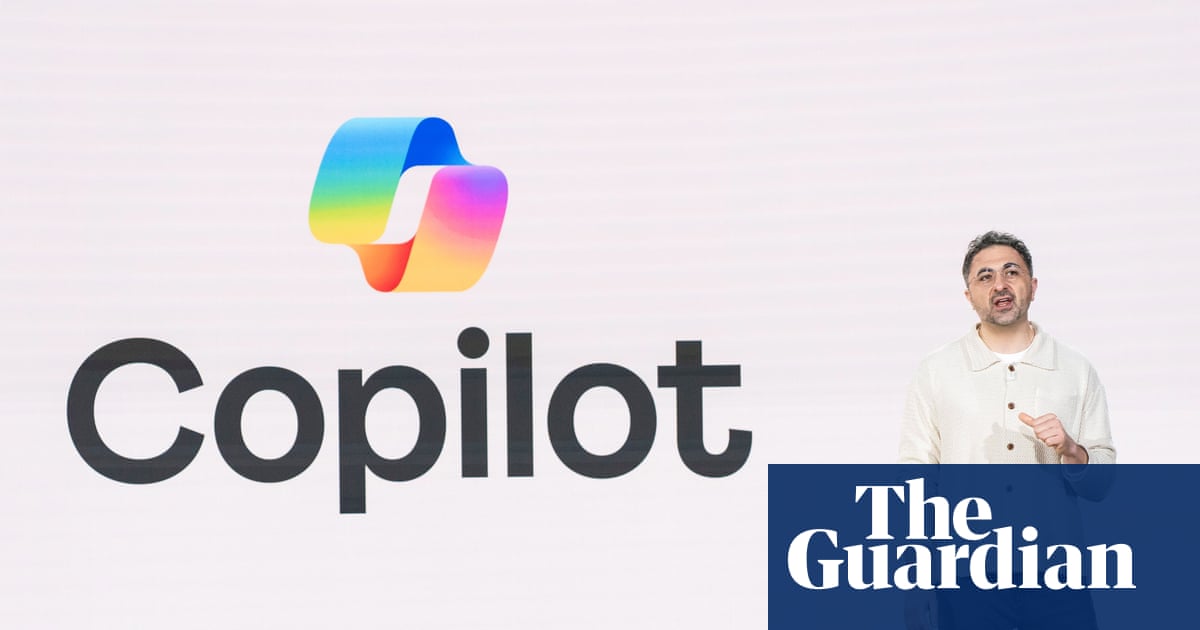 Applied AI
Microsoft proposes limits on its AI with code of conduct amid safety debate
A self-imposed AI code of conduct from Microsoft is a signal that governance is becoming a product and sales asset, not just a compliance slide. If you're an enterprise buyer, start treating vendors' safety frameworks as part of the RFP—ask how these principles actually constrain training runs, deployment, and data use.
 Applied AI
Auditing the agent economy: what the forecasts actually say
Two major firms both land near ~46% CAGR for agentic AI through 2030, but with a 2x spread on market size—translation: everyone agrees on direction, nobody agrees on magnitude. Treat these numbers as justification for small, focused bets on agents in your stack, not as a basis for wholesale roadmap rewrites.
 Applied AI
Agentic commerce is loosening the grocery aisle’s grip on the shopper
If agents start deciding the grocery basket, the shelf loses power and the interface gains it—recommendation surfaces and default lists become the new endcaps. CPG and retailers should be negotiating for agent integration and data access now, not just fighting for physical placement.
 Applied AI
Cohere CEO Warns Against an AI Safety ‘Cartel’
The pushback against a frontier-lab "safety cartel" frames AI governance as a competition issue as much as a risk issue—rules that only giants can meet become de facto moats. Startups should track how safety standards get codified in law and procurement, because those thresholds may quietly decide who can sell into enterprise and government.