

Siri AI Is Becoming Apple’s Everything Tool
THE SO WHAT
If Siri is now the backbone of the iPhone experience — not just a voice UI — Apple is centralizing user intent through a single AI broker. Builders should be designing for Siri as a primary orchestration surface: deep links, intents, and data contracts matter more than pixel-perfect in-app flows.
READ THE SOURCE
MORE FROM THE WIRE
 Applied AI
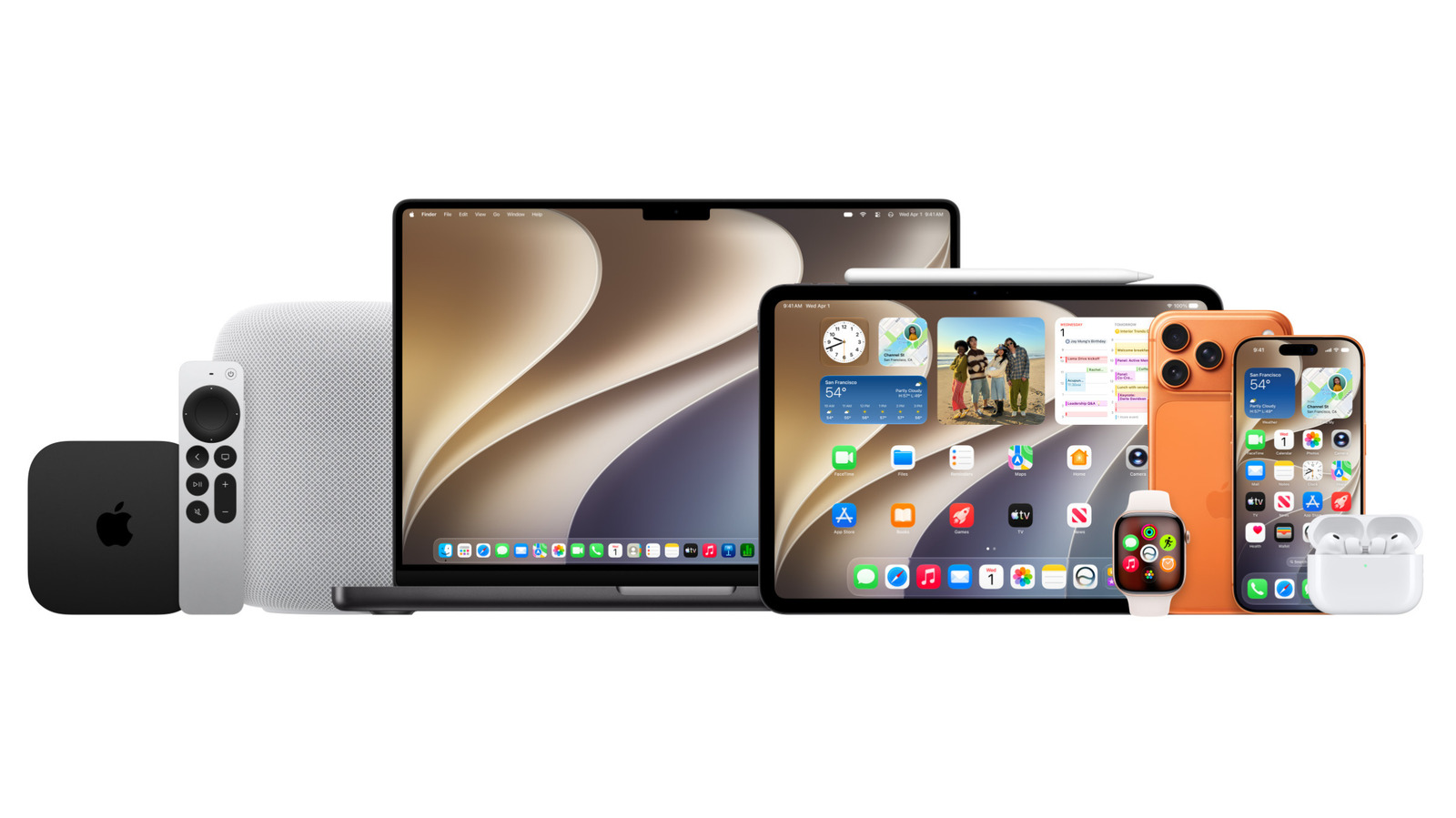
Apple releases the first public betas of iOS 27, iPadOS 27, macOS 27 Golden Gate, watchOS 27, and tvOS 27, marking the public debut of the new Siri AI
New Siri and Apple Intelligence in public beta means tens of millions of users will start treating system-level AI as a default interaction surface. If you ship consumer or prosumer software, assume your entry point is now an OS assistant query and design flows, auth, and pricing for that mediation.
 Applied AI
Every MacBook getting macOS 27: How to try the public beta
The breadth of Mac hardware getting macOS 27—and with it Liquid Glass, Apple Intelligence, and new Siri—compresses the adoption curve for on-device AI. Mac-first SaaS and tools teams should prioritize native integrations and intent-level APIs over standalone AI features that duplicate what the OS now gives away.
 Applied AI
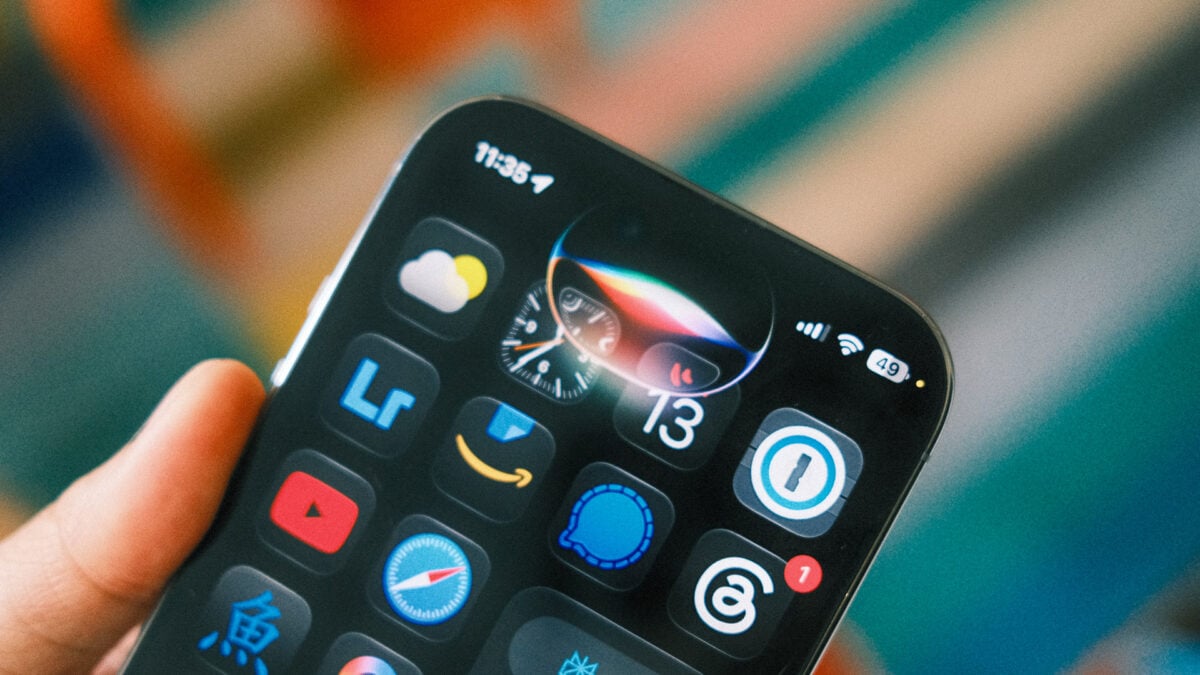
Apple F*cking Did It: One Month With Siri AI
If Siri AI is quietly becoming indispensable in daily use, Apple just turned its assistant from a novelty into a default workflow layer. For operators, that means iOS users will expect deep, system-level AI interactions by default — your app UX and integration strategy need to assume an always-on, context-aware Siri in the loop.
 Applied AI
MIT's New Method Flags AI Models Trained on CASM Without Generating It
A method to detect models trained on child abuse imagery without recreating it is a concrete advance in AI forensics and governance. If you deploy or procure models at scale, build the expectation that third-party audits for tainted training data will become part of standard due diligence.