
SK Hynix Plans $12 Billion Dividend From Kioxia Gains: Report
THE SO WHAT
SK Hynix returning roughly 16 trillion won from Kioxia gains to shareholders is a signal that memory vendors see enough AI-cycle cash flow to reward investors while still funding capex. For large buyers of HBM and NAND, this reinforces that pricing power remains with suppliers, not OEMs, in the near term.
READ THE SOURCE
MORE FROM THE WIRE
 Deep & Emerging Tech
FBI tip line and veterans crisis site among 350 federal web addresses exposing visitors to network spies, senator warns
If 350 federal endpoints — including the FBI tip line and a veterans crisis service — are leaking traffic metadata, assume your own “sensitive but boring” sites are too. CISOs should audit TLS, DNS, and third-party embeds on every intake and reporting surface this week, not just the flagship apps.
 Deep & Emerging Tech
Musk Says SpaceX Closed $40 Billion Debt Deal, Blasts Neoclouds
A $40 billion debt raise just to pay for AI chips underscores that frontier compute is now financed like heavy industry, not software. If you’re not at that scale, expect tighter capacity, more multi-year commitments, and growing pressure to prove your workloads deserve scarce top-tier silicon.
 Deep & Emerging Tech
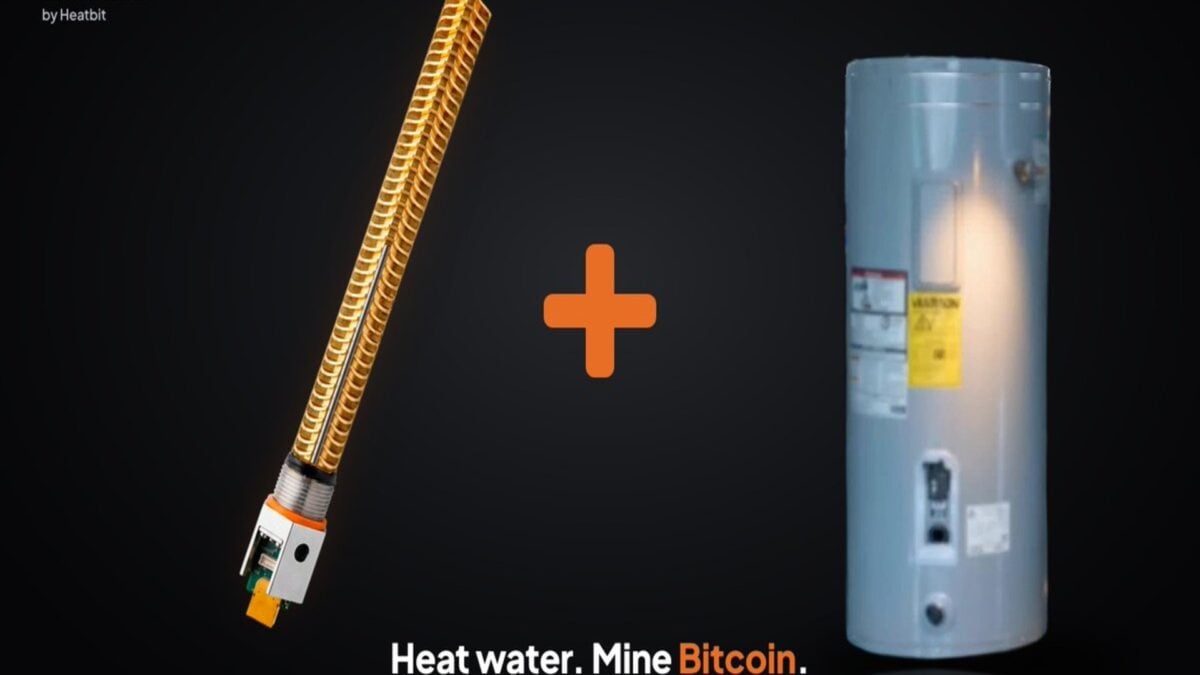
Heatbit Says Your Water Heater Should Be Mining Bitcoin, and Now It Can
Embedding Bitcoin mining into household heat loads is a bet that waste heat plus decentralization can offset hardware and power costs. If you run energy, HVAC, or home devices, this is an early signal that compute is being treated as a byproduct of thermal systems, not the other way around.
 Deep & Emerging Tech
Three giant black holes discovered in a galaxy from the dawn of time
Astronomy keeps delivering extreme, data‑hungry phenomena — triple feeding black holes 12.5B light‑years out are exactly the kind of targets that justify next‑gen sensors and compute. If you build HPC, storage, or scientific tooling, space science remains a durable demand driver rather than a niche.