
Skyworks Chair: It Will Be a While Before This Cycle Ends
THE SO WHAT
A 50-year semiconductor veteran saying the current cycle has legs reinforces that AI, RF, and connectivity demand are not a short spike. Hardware-dependent teams should assume elevated lead times and pricing power persist — lock in key components and second sources rather than betting on a quick reversion.
READ THE SOURCE
MORE FROM THE WIRE
 Deep & Emerging Tech
China Flash Memory Giant YMTC Takes Key Step Toward Marquee IPO
A YMTC marquee IPO would deepen China’s domestic capital base for memory and reduce its reliance on foreign equity markets just as supply chains are politicizing. If you depend on NAND pricing or supply, assume a better-capitalized Chinese competitor in your 3–5 year planning and pressure-test your vendor and geo concentration.
Deep & Emerging TechIs the Chip Supercycle Here to Stay?
Executives debating the durability of the AI-driven chip supercycle at SEMICON Taiwan is a reminder that capex and hiring decisions you make now are implicitly a bet on multi-year demand. Treat 2027–2030 capacity and pricing scenarios as variables in your planning — don’t anchor on today’s scarcity as permanent.
 Deep & Emerging Tech
AI scientist and Google researcher Ray Kurzweil joins BCI startup Subsense, which develops non-surgical BCI tech involving inhaled nanoparticles, as an advisor
Kurzweil backing a non‑surgical BCI that uses inhaled nanoparticles is a signal that serious talent is moving into less invasive brain interfaces. Health, neurotech, and AI founders should be tracking regulatory and ethical frameworks here—this is the kind of modality shift that can create new platform companies if it clears safety and trust hurdles.
 Deep & Emerging Tech
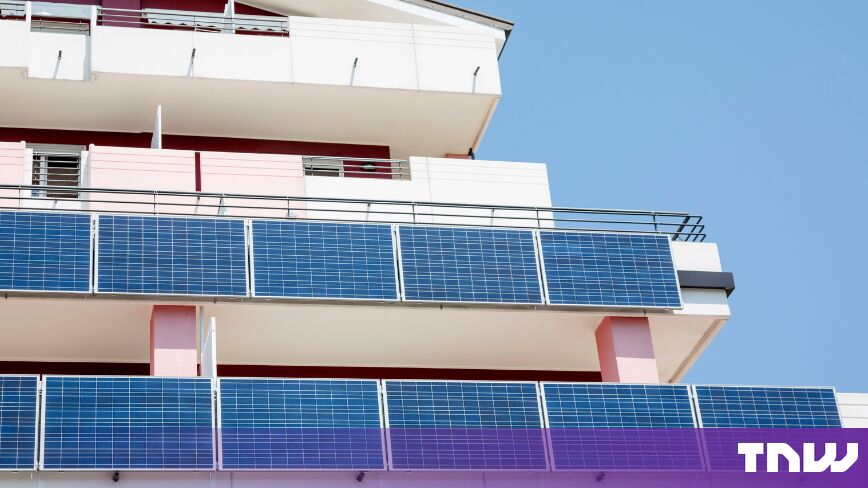
New Jersey just legalised cheap plug-in balcony solar panels
Balcony solar going plug-and-play up to 1,200W with no local approvals is policy turning every apartment into a potential micro-generator—Germany’s 1.31M systems at 1.34GW shows the slope. Energy-exposed operators should treat these tenant rights as a real demand-side resource and start modeling their impact on load, tariffs, and grid constraints.