
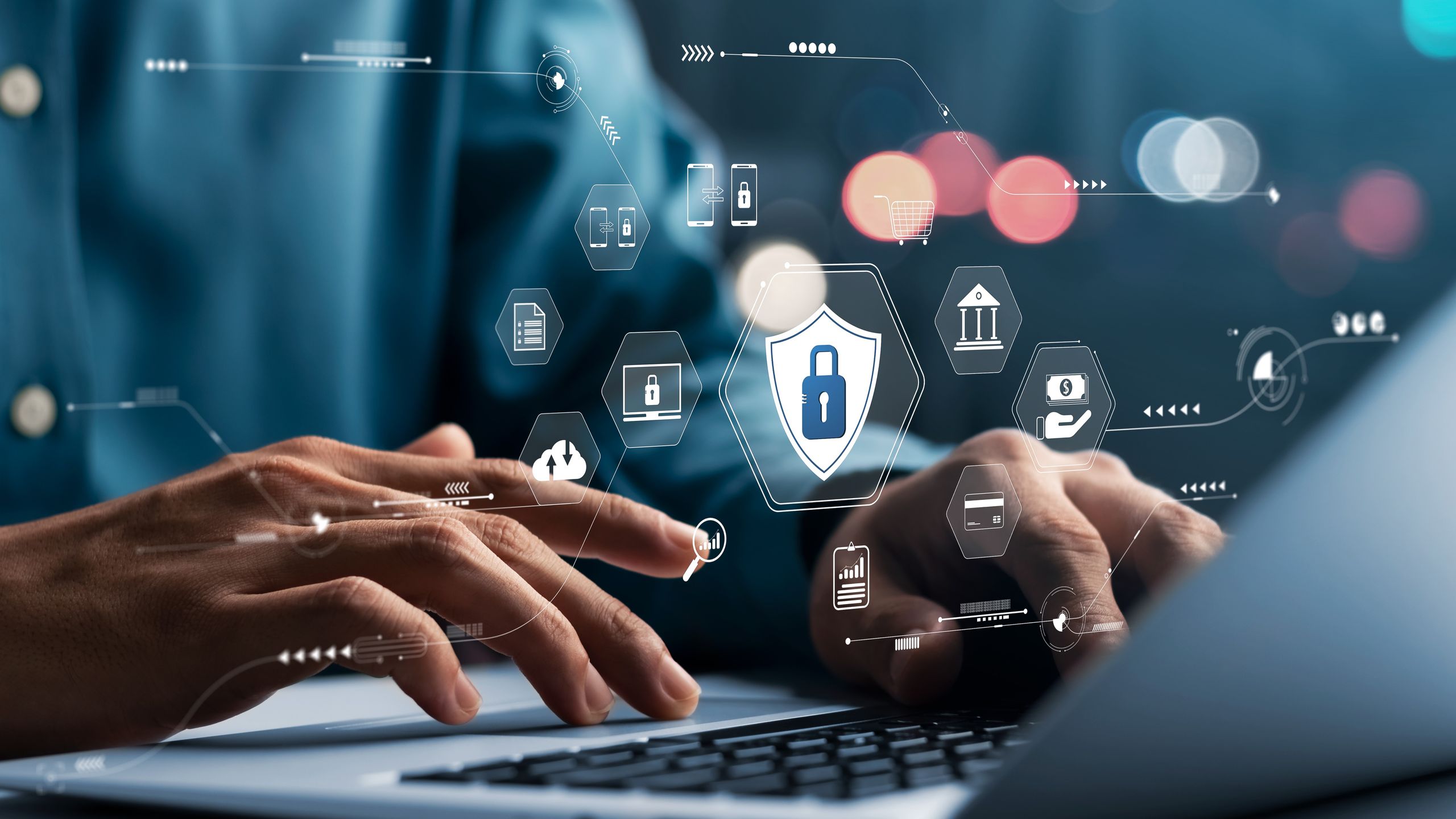
Social media is becoming cybercriminals’ most powerful attack vector
THE SO WHAT
If attackers are leaning on social platforms plus AI to impersonate brands, your social presence is now part of your security perimeter. Treat verified accounts, content cadence, and takedown processes as security controls, and train staff to validate requests that originate in DMs or comments.
READ THE SOURCE
MORE FROM THE WIRE
 Deep & Emerging Tech
An interview with ASML CEO Christophe Fouquet on the company's 42-year history, its complex supply chains across 2,000 companies, US export bans, AI, and more
ASML’s 2,000-supplier web and exposure to export controls show how concentrated and geopolitically entangled advanced manufacturing has become. If your roadmap assumes steady access to leading-edge nodes, you need contingency plans that include node flexibility, alternative fabs, and potential schedule slips baked into commitments.
 Deep & Emerging Tech
AI agents stole 600,000 credit cards for about $25 a target, Gambit says
Offensive AI agents are now an operational reality—an attacker stitched together three open-source frameworks to breach at least 27 companies and exfiltrate 600,000 credit cards at roughly $25 per victim. Assume attackers can orchestrate autonomous recon and exploitation at scale and move your security reviews from “are we using AI safely?” to “how do we defend against AI-native intrusion workflows?”
 Deep & Emerging Tech
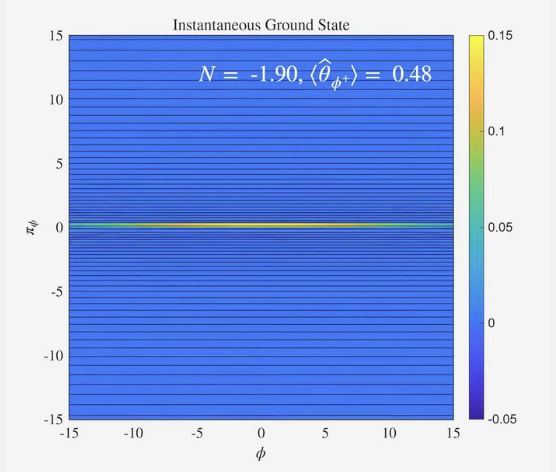
Cosmic Lockdown: How The Environment Can Isolate Quantum Fields
Work on environmental isolation of quantum fields is inching quantum hardware from lab curiosity toward engineered systems. Hardware and infra teams with any quantum roadmap should be tracking these mechanisms now—they will shape cooling, shielding, and site requirements later.
Deep & Emerging TechA look at OpenAI-backed Red Queen Bio, an AI biosecurity startup with $36M raised to design antibody drugs against pathogens, including AI-enabled bioweapons
An OpenAI-backed biosecurity startup designing antibodies against AI-enabled pathogens shows capital flowing into the defense side of dual-use biology. If you operate in biotech or health, assume regulators and partners will increasingly expect AI-native threat modeling and countermeasure capabilities in your stack.