
Source: Transport for London's delay in producing robotaxi guidance has frustrated some prospective operators, who play down the chances of starting this year
THE SO WHAT
Regulation, not technology, is the gating factor for London’s robotaxis — operators are already tempering 2026 launch expectations while they wait on TfL guidance. AV teams should budget as much for policy and city integration as for autonomy R&D if they want realistic deployment timelines.
READ THE SOURCE
MORE FROM THE WIRE
 Robotics & Autonomy
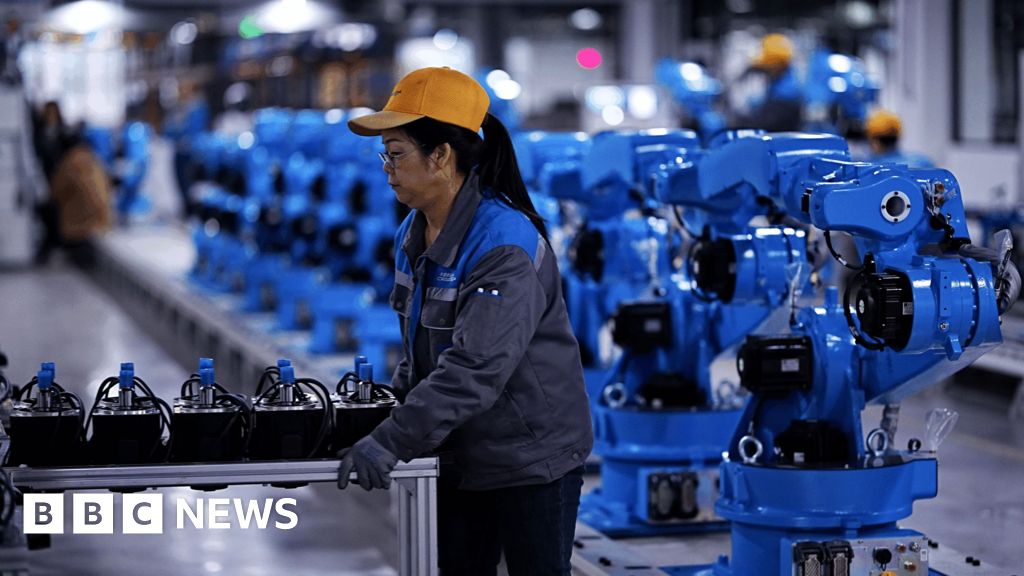
A look at China's push to automate manufacturing, which employs 120 million people, amid a shrinking population and aging workforce, raising job loss concerns
China automating a 120M-person manufacturing base under demographic pressure is a preview of how states may trade near-term job risk for long-term production stability. Global manufacturers should assume that “labor cost advantage” regions will increasingly compete on automation density instead.
 Robotics & Autonomy
Robotics startup Generalist reaches $3B valuation, sources say
A $200M extension taking a physical AI startup from $2B to $3B in months says capital is now pricing humanoid/“generalist” robotics as a future horizontal platform, not a niche bet. If you run high-labor, repetitive operations, you now have more leverage in vendor negotiations—but you also need a real view on when these systems could credibly replace incremental headcount.
 Robotics & Autonomy
Seattle’s AI weed wars: One startup maps them, another zaps them
Two separate companies mapping and then laser-zapping individual weeds shows how AI is decomposing ag into perception and actuation layers. If you operate in any physical domain with repetitive identification and intervention tasks, assume a similar split-stack ecosystem is coming to your workflows.
 Robotics & Autonomy
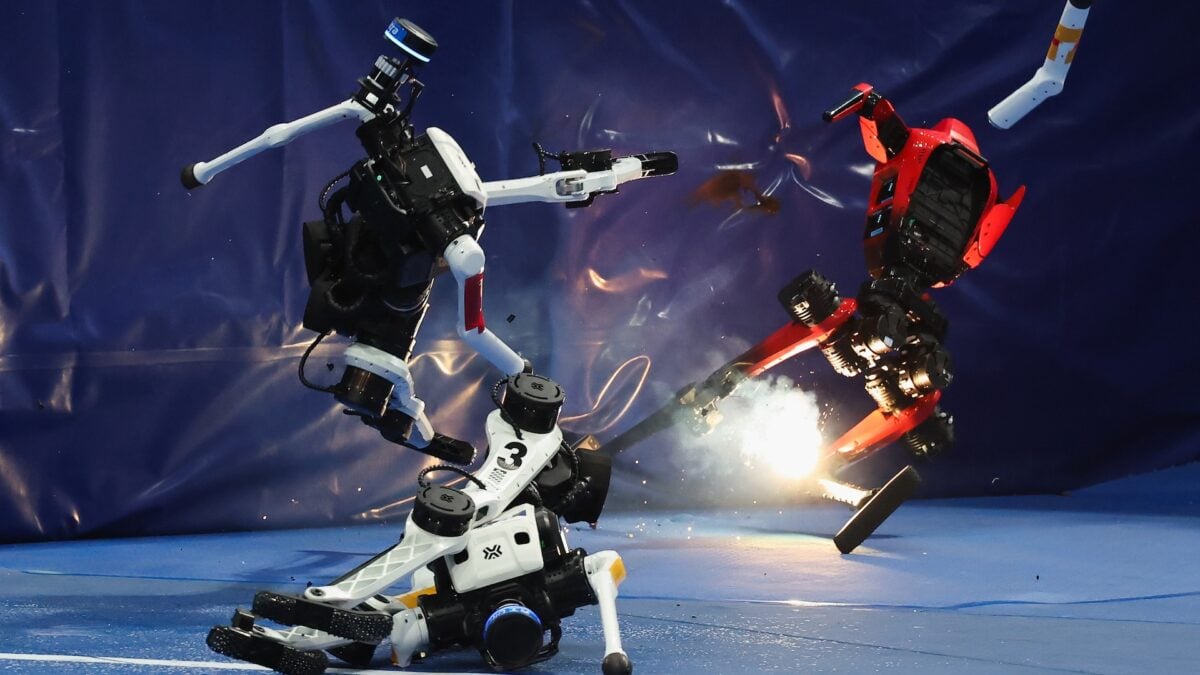
The Best Robot Fails From the 2026 World Humanoid Robot Games
Public robot blooper reels normalize failure in humanoid systems and mask the rate of underlying progress—what looks clumsy today is often one or two iterations away from “good enough” for narrow tasks. Treat the laughs as cover to quietly reassess where legged or humanoid platforms could slot into your operations within a 2–4 year window.