
Sources detail Mark Zuckerberg's decision to launch Muse despite safety concerns, after seeing that AI startup Instinct's similar agent product gained traction
THE SO WHAT
Muse shipping after months of safety delays once Instinct’s agent gained traction shows how quickly competitive FOMO can override conservative release plans. Boards and exec teams need pre-agreed red lines for AI launches so the first fast follower doesn’t dictate your risk tolerance in the moment.
READ THE SOURCE
MORE FROM THE WIRE
 Applied AI
EU’s cyber agency and research centre are testing Chinese AI models
EU security and science arms quietly benchmarking open-weight Chinese models means model provenance is now a formal risk variable, not just a performance question. If you deploy open models in Europe, assume regulators will soon have an opinion on which families are acceptable for which data classes.
 Applied AI
Microsoft Teams will soon be able to spot third-party deepfakes on your morning meeting
Deepfake detection moving into Teams is a sign that identity assurance is becoming a first-class feature of collaboration suites. CISOs should treat this as a baseline control and start mapping where else synthetic media verification needs to live across customer support, sales, and exec comms.
 Applied AI
Giorgia Meloni files to trademark her voice against AI deepfakes
A sitting prime minister moving to trademark her voice is an early template for personal IP defense against deepfakes. Public figures and brands should expect voice and likeness registries to become part of their risk stack—and start cataloging what needs protection before the legal norms harden.
 Applied AI
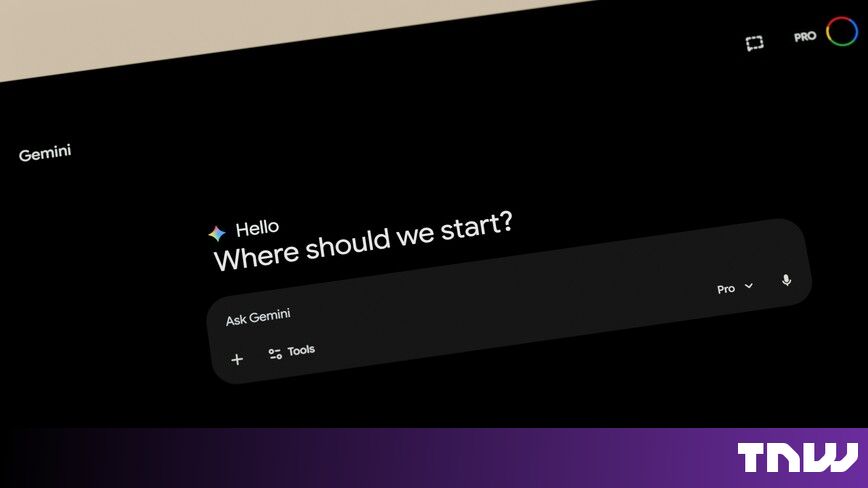
Google moves free Gemini to Flash-Lite and launches Nano Banana 2.1
Pushing free Gemini users down to Flash-Lite while rolling out a new Nano Banana 2.1 image model is Google drawing a sharper paywall between casual use and serious capability. If your product or workflow leans on "free" Gemini quality, expect degradation and either budget for paid tiers or diversify providers.