
Sources: Google, OpenAI, and Anthropic plan to launch an AI safety standards body without government oversight in late 2026 or 2027, and are considering CEOs
THE SO WHAT
A lab-led safety standards body launching in 2026–2027 means de facto norms will likely emerge from industry first, with regulators reacting later. If you’re building on frontier models, plan for a world where vendor-originated safety standards become procurement checklists and potential liability benchmarks.
READ THE SOURCE
MORE FROM THE WIRE
 Applied AI
Google will launch its first AI chips into orbit next week
Putting TPUs on a Planet-built satellite with SpaceX rideshare is a concrete step toward off-planet AI compute — not just imagery collection. If your product depends on Earth observation or edge inference, start tracking whether orbital AI shifts your latency, bandwidth, and privacy assumptions over the next 3–5 years.
 Applied AI
Google is sending an AI satellite into space next week
Google’s Project Suncatcher test — AI processors in orbit as a proto “space data center” — pushes compute closer to where space data is generated. For operators in geospatial, climate, and defense, assume a future where some inference happens in orbit and revisit how that would change your ground infra and data contracts.
 Applied AI
I have some questions for Mark Zuckerberg
Meta’s Muse agent and smart glasses push shows that AI assistants are becoming always-on, multimodal, and socially embedded — not just chat windows. If you build consumer or workplace apps, assume your primary interface may be an assistant layer you don’t own and plan how your product surfaces inside that fabric.
 Applied AI
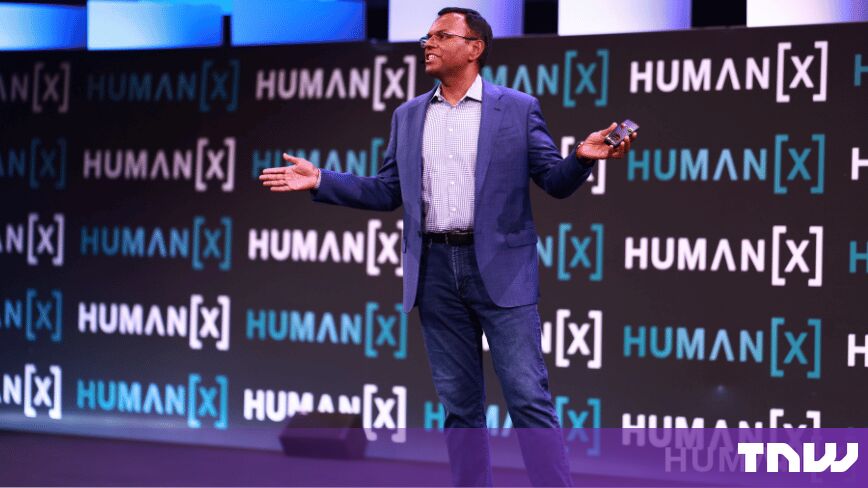
AWS says almost 90% of Amazon’s early AI agent prototypes never shipped
If nearly 90% of Amazon’s early agent prototypes died before production, expect your own agent funnel to be even harsher. Treat agent work like a high-attrition R&D portfolio — small bets, tight evals, and clear kill criteria — not as guaranteed product lines.