
Sources: Waymo is exploring exiting its Uber partnership, with their relationship souring amid an intense lobbying battle over the future of robotaxis
THE SO WHAT
If Waymo and Uber split while lobbying over robotaxi rules intensifies, the AV market may bifurcate into vertically integrated stacks versus aggregator marketplaces. Cities and fleets should avoid single-channel dependence—structure pilots and contracts so you can switch between direct OEM integrations and brokered rides as the politics shift.
READ THE SOURCE
MORE FROM THE WIRE
 Robotics & Autonomy
Waymo reportedly mulling a breakup with Uber
If Waymo walks away when the Uber contract expires in 2028, it's a bet that owning the rider relationship beats being an invisible network provider. Anyone building autonomy services should decide now whether they're a branded consumer surface or a white-label pipe—and invest accordingly.
 Robotics & Autonomy
Tesla’s self-driving software is selling faster than ever, and it still needs a human driver
With nearly 1.5 million active FSD subscribers and 55% of North American deliveries in Q2 activating it at purchase, Tesla is proving that "driver-assist" can monetize like autonomy. For other AV and ADAS players, the bar is clear—revenue can scale before full autonomy, but only if you package upgrades as a default add-on, not a niche feature.
 Robotics & Autonomy
Ukraine's heavy bomber drones airdrop ARK-1 mine-laying robots behind Russian lines
Aerial drones seeding ground robots is the clearest proof yet that autonomy is becoming a composable system, not a single platform decision. Defense and industrial operators should be mapping where they can pair cheap air assets with semi-disposable ground units to extend reach without adding headcount or risk.
 Robotics & Autonomy
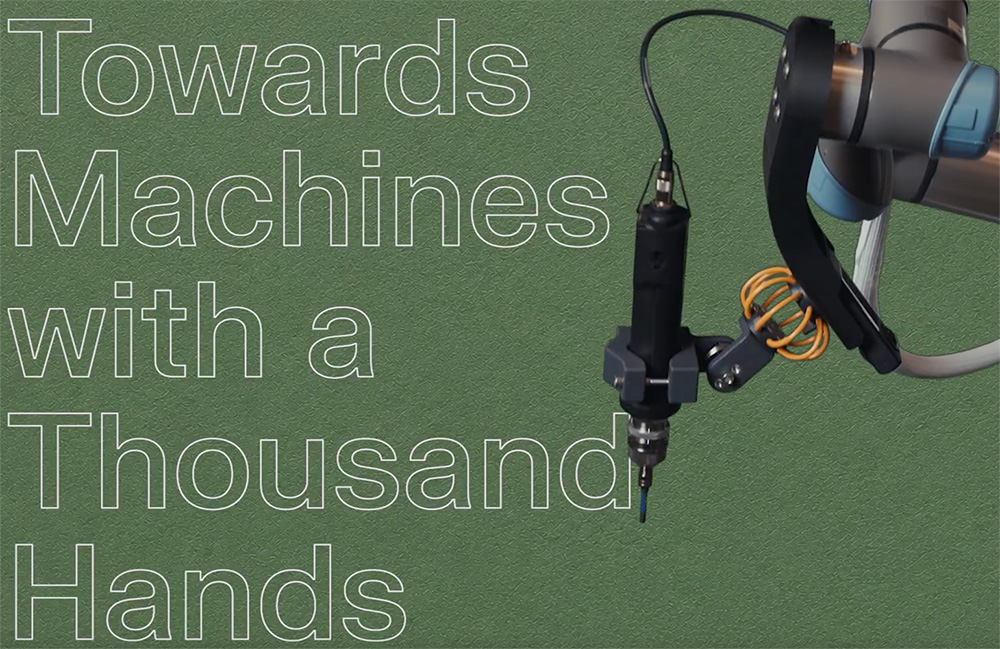
Generalist’s GEN-1 foundation model now supports a range of robot end effectors
A single sensorimotor base model that can adapt to multiple hands is a step toward hardware-agnostic robot brains. If you're deploying robots across sites, start mapping where a shared control model could cut integration and retraining time.