

South Korea will give all 52 million citizens free AI access, becoming the first G20 nation to do so
THE SO WHAT
A national “AI for Everyone” chatbot and public-service agent for 52 million residents turns AI access into public infrastructure, not a private perk. If you operate in South Korea, assume baseline AI literacy and availability will spike — your differentiation will need to come from domain depth and integration, not just having an assistant.
READ THE SOURCE
MORE FROM THE WIRE
 Applied AI
OpenAI finally launches hardware… for Codex
A dedicated Codex hardware device points to AI-native peripherals as a new control surface for developer workflows. If you sell into dev tools or platforms, assume the IDE boundary is going to include physical devices and start thinking about where your product lives in that loop.
 Applied AI
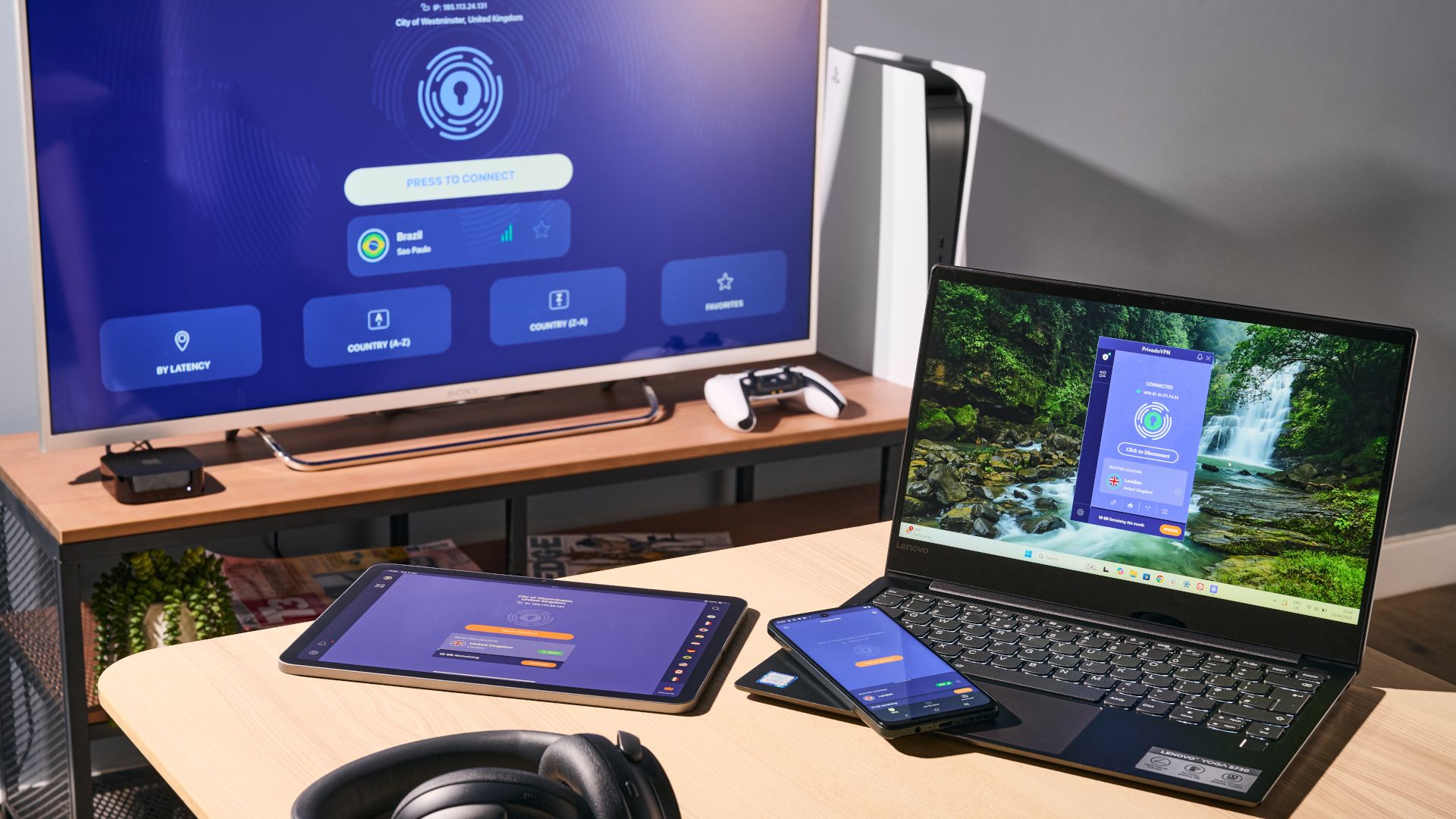
Privado VPN unveils an MCP server on Windows and macOS to let your AI agent manage your connection
Letting agents programmatically flip VPN endpoints is a concrete step toward network-as-an-API for AI. If you’re building agentic workflows, start mapping which security and network controls you’re willing to expose to automation and how you’ll audit those actions.
 Applied AI
'We have maybe 20 months' to rebuild for AI agents, Meta's infrastructure VP tells VB Transform 2026
When a hyperscale infra VP says there’s “maybe 20 months” to rebuild for agentic AI, that’s a timeline for network, identity, and data-plane changes — not just model swaps. This week, identify one or two workflows where agents could execute end-to-end and map the infra gaps, instead of treating agents as a distant architectural rewrite.
Applied AISources: Apple is looking for chip companies to buy to boost its AI server chip efforts as it struggles with the performance of its servers running on M2 Ultra
If Apple is shopping for AI chip acquisitions because M2 Ultra can’t carry server workloads, the bar for in-house general-purpose silicon in AI infra just moved higher. Infra buyers should assume more vertical integration and custom accelerators across the majors — and design their own stacks to avoid single-vendor lock-in on any one chip architecture.