
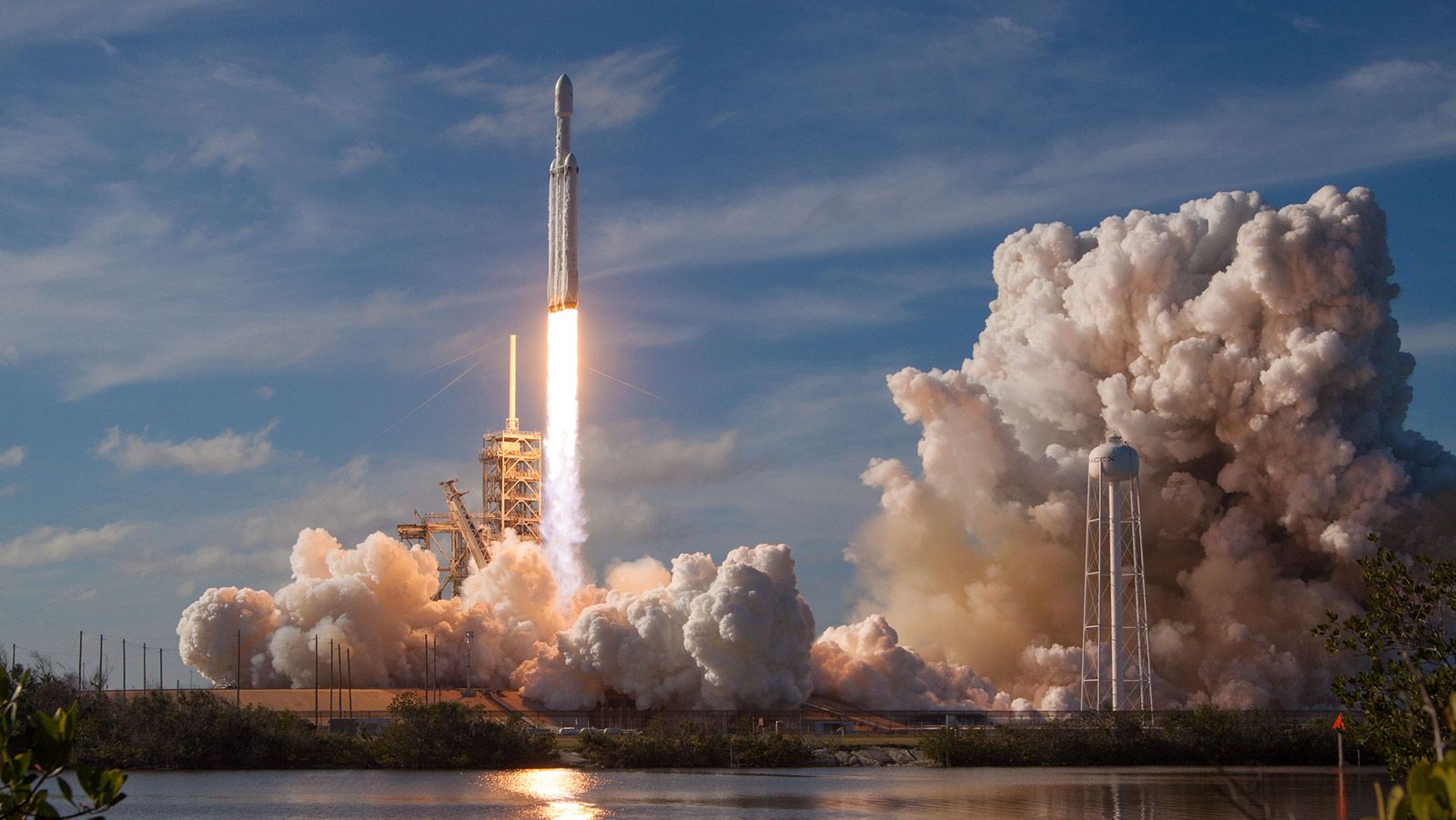
SpaceX rocket set to crash into the moon at seven times the speed of sound — but the 5,400 mph impact is entirely expected, and might even prove useful for NASA
THE SO WHAT
An unplanned but anticipated lunar impact being treated as a science opportunity shows how messy commercial space operations are becoming part of the research fabric. If you operate in space-adjacent domains, assume more “incidental experiments” and design your data and partnership strategy to capitalize on them rather than just manage risk.
READ THE SOURCE
MORE FROM THE WIRE
 Tech & Innovation
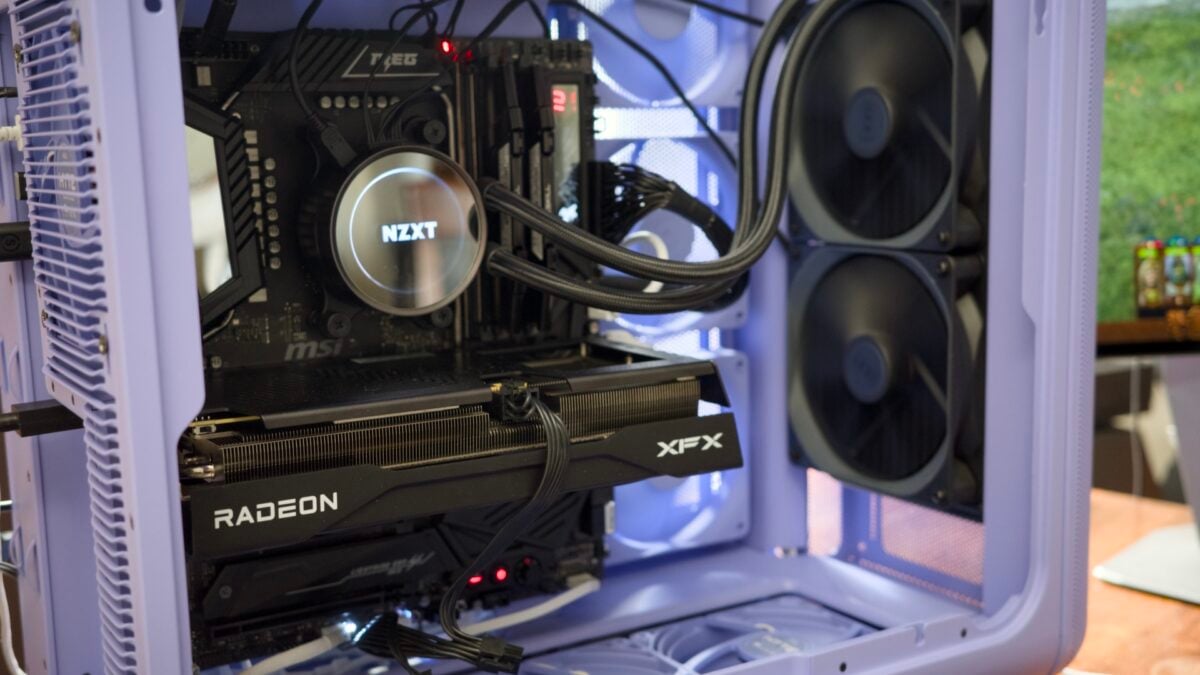
PC Prices Are So Bad Now, Companies Are Selling You Old Components Like New
When vendors start rebadging outdated components as upgrades, the real constraint is upstream—supply, margins, or both. If you’re buying fleets of PCs for AI-heavy workloads, lock in detailed spec sheets and lifecycle plans rather than trusting product labels.
 Tech & Innovation
This week, get Word, Excel, PowerPoint, and more for life for $33
A $33 “lifetime” Office license is a reminder that core productivity software is effectively commoditized. If you’re still modeling Office as a premium line item, you’re overpaying for what is now table stakes around your real differentiators.
 Tech & Innovation
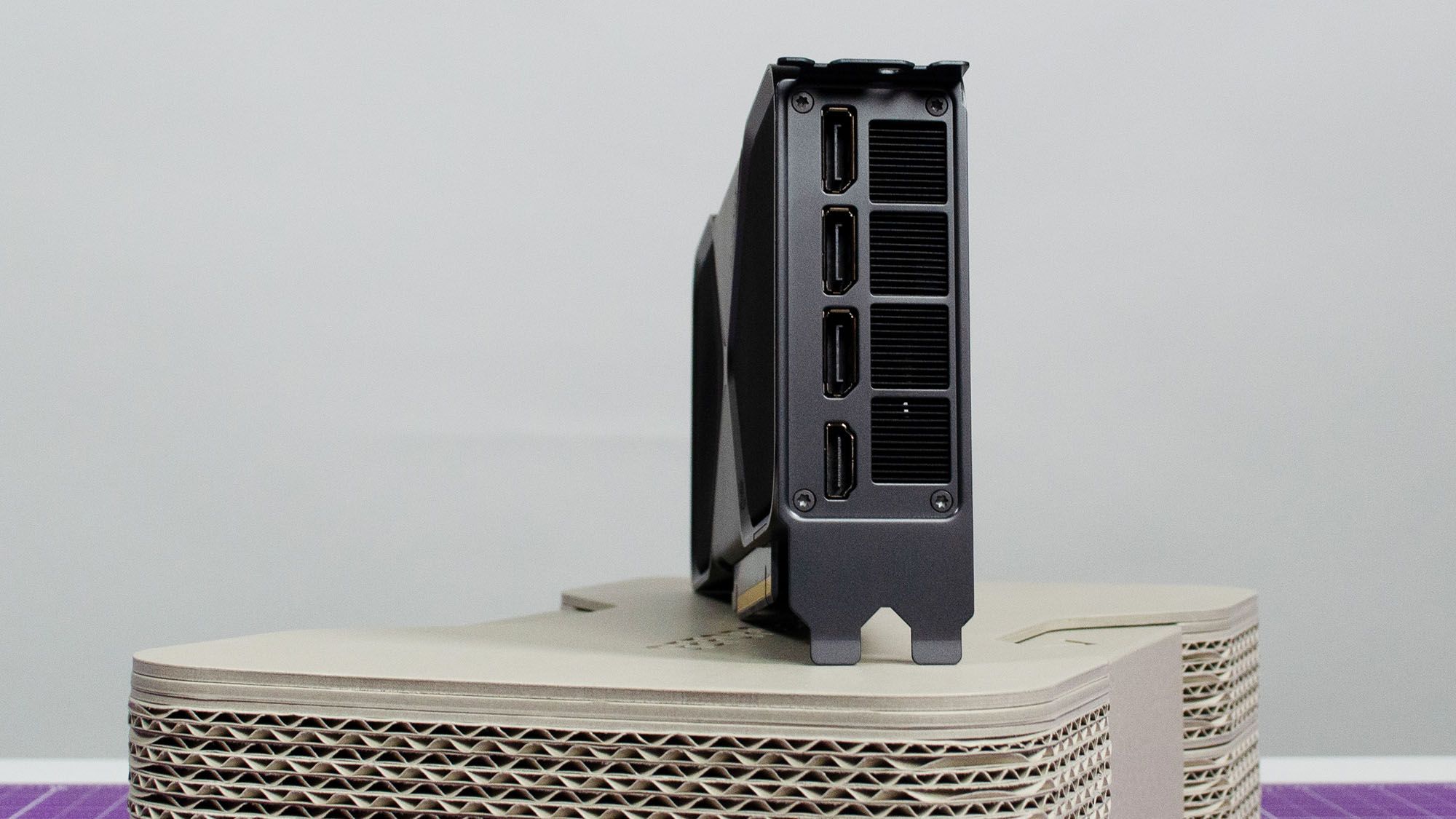
Steam survey shows GPUs with 16GB are now the most popular graphics cards — and that really doesn't bode well for gamers' wallets
16GB GPUs becoming the norm in consumer rigs tells you how quickly memory needs have ratcheted up—and how much pricing power vendors still have. For AI teams relying on prosumer cards, expect continued cost pressure and plan for more aggressive memory optimization or shared infra.
 Tech & Innovation
Fmr. Harvard Researcher on the Economics of SpaceX
The economics of Starship are still unproven, which means downstream business models that assume cheap, routine heavy lift are speculative, not bankable. If your roadmap leans on Starship-like capabilities, separate what you can execute on Falcon/competitors now from what depends on future launch cost curves.