
SpaceX Seeks To Join AI Borrowing Bonanza
THE SO WHAT
A $40 billion debt ask for Nvidia chips from an infrastructure-heavy company like SpaceX shows AI capex has fully crossed into project-finance territory. If you depend on GPU supply, treat it like energy or spectrum—secure long-dated access or accept that hyperscalers and capital-intensive players will crowd you out.
READ THE SOURCE
MORE FROM THE WIRE
 Applied AI
Aleph Alpha and Mistral releases raise hopes for Europe’s sovereign AI ambitions
European labs shipping frontier-class models is less about catching US labs and more about giving EU governments and corporates a politically acceptable stack. If you operate in Europe, assume procurement and data residency pressure will tilt toward these “sovereign” vendors and plan for a dual-vendor model strategy.
Applied AISomeone hacked their 13-year-old Kindle to make a perfect desk assistant
A 2013 Kindle turned into a desk assistant is a reminder that the constraint is orchestration, not hardware. Expect a wave of “good enough” AI interfaces built on repurposed or commodity devices—don’t over-rotate your roadmap around shiny new form factors alone.
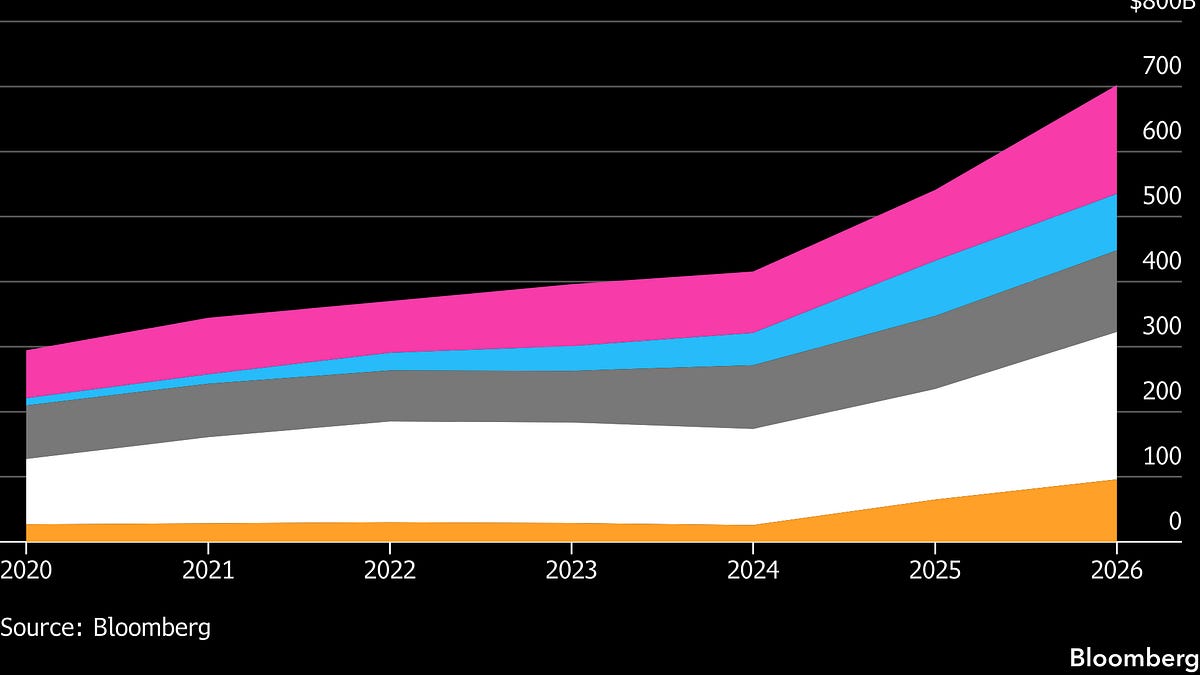 Applied AI
AI: Off the Charts
Western open-source models plus a renewed personal assistant race point to a split stack—closed models for frontier performance, open models for control and cost. Teams should be testing both paths now, with clear criteria for when to switch workloads between them as capabilities and licensing evolve.
Applied AICoreWeave Tees Up First India Data Centers With AdaniConneX Deal
CoreWeave’s move into India with AdaniConneX shows AI-specialized cloud is going global, not just clustering in US and EU hubs. If you’re planning large-scale training or inference in Asia, start mapping latency, data residency, and local power constraints now—capacity will not be evenly distributed.