

SpaceXAI Will Reportedly Release a Major New AI Model This Week
THE SO WHAT
If SpaceXAI’s first joint model with Cursor is real and performant, you’re looking at an aerospace-grade data firehose meeting an agent-native IDE. For operators, that’s a hint that vertical labs plus agent tooling is a coming pattern — start mapping where your proprietary data plus an agent-first dev stack could create similar leverage.
READ THE SOURCE
MORE FROM THE WIRE
 Applied AI
Source: the US Department of Commerce has given OpenAI the green light for a broad launch of GPT 5.6; the company expects to do a wide release this week
Regulatory gating is now part of the release calendar for frontier models—Commerce sign-off on GPT 5.6 means compliance work is a prerequisite, not an afterthought. If you’re building on top of these models, assume policy risk and access constraints can change your roadmap timing as much as the tech itself.
Applied AITencent WeChat AI Agent Shows Promise in Super-App Fight: Review
Tencent is pushing Xiaowei toward being a default errand-runner for a billion WeChat users—whoever owns the agent inside the super-app owns the demand funnel. If you sell into China or rely on WeChat traffic, start planning for a world where an AI agent, not the user, is your primary interface and gatekeeper.
 Applied AI
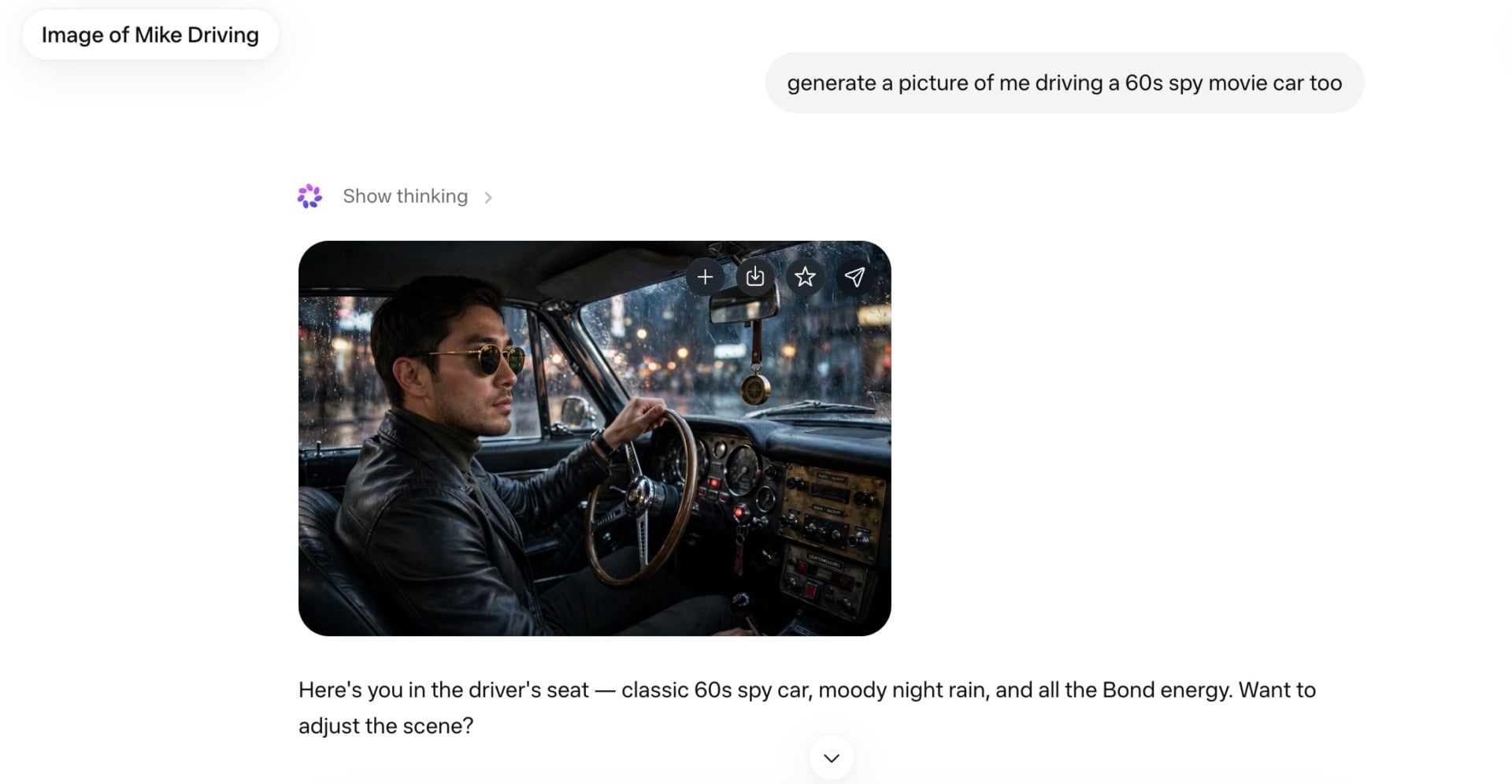
If You Have a Public Instagram Account, You Might Be Surprised What AI Users Can Now Do With Your Face
Public social feeds are now de facto training and inference corpora for face-based AI — opting out is becoming an operational privacy decision, not just a UX preference. Brands and executives with high-visibility accounts should assume their likeness can be cloned and plan comms, legal, and verification accordingly.
 Applied AI
DeepSeek accidentally built a working ransomware strain, experts note, 'What we are witnessing is a fundamental shift in how novel cyber attacks are born'
A model casually generating working Android browser ransomware without human guidance means exploit ideation is now an AI-native workload. Security teams need to assume faster mutation cycles and broader attacker bench strength — and start testing their own defenses against model-generated attack patterns.