
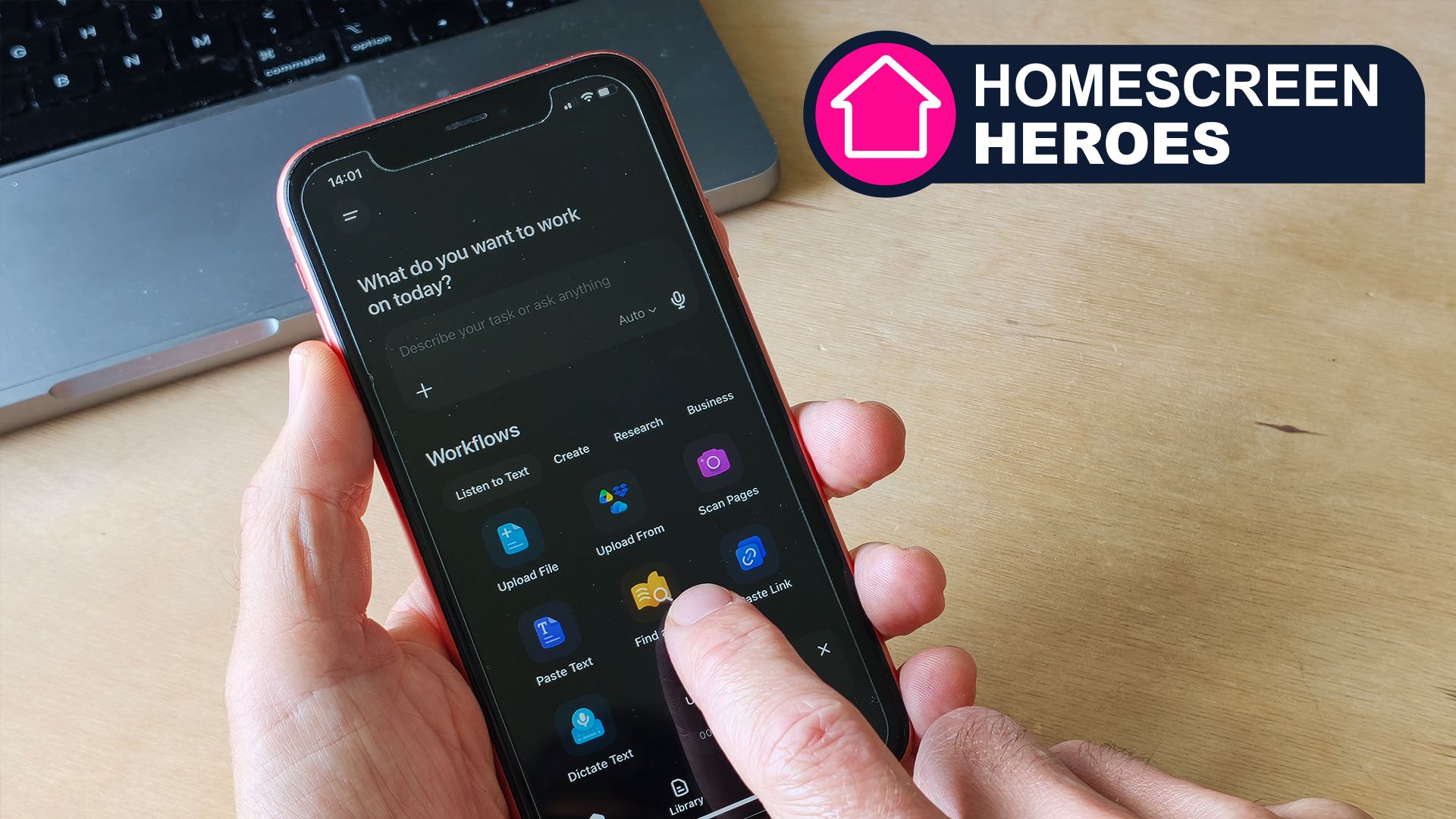
Speechify is pricey, but it’s also completely transformed how I digest information
THE SO WHAT
High-willingness-to-pay for tools like Speechify shows that 'AI as accessibility' is becoming a mainstream productivity purchase, not a niche accommodation. If your product involves dense information, native high-quality TTS and listening workflows are now table stakes for power users.
READ THE SOURCE
MORE FROM THE WIRE
 Applied AI
World model companies are keeping a lot of secrets
When both founders and data suppliers go quiet, it usually means the IP edge sits in the training corpus and tooling, not the model architecture. If you depend on these players, tighten your data access terms and assume limited transparency on safety, evals, and roadmap for at least the next 6–12 months.
Nvidia's Jensen Huang says AI CEOs have 'ulterior reasons' for warning about doomsday
When the dominant supplier of AI compute says current regulation is enough, that’s a signal to operators that policy risk may be lower in the near term than some doom narratives imply. Treat this as a window: if you’re planning heavy AI capex, assume a few more years of incremental rules rather than hard brakes, but keep a contingency plan if the political mood swings.
 Applied AI
Is the AI industry really ready to slow down?
Debates about “slowing down” are mostly about where the brake gets applied—labs, regulators, or customers—not whether the race continues. For operators, assume capability curves keep steepening and focus on your own pacing: where to exploit current models, and where to explicitly defer adoption until governance catches up.
 Applied AI
No one is surprised that Nvidia’s Jensen Huang thinks AI fears are overblown.
A public “0% chance” of AI catastrophe from the key GPU supplier hardens the split between labs emphasizing existential risk and those emphasizing upside. Expect customers, boards, and regulators to start informally sorting vendors by their safety posture—have a clear narrative for where you sit and why.