

Stacking Chips Sideways Gives AI More Memory
THE SO WHAT
HBM is hitting thermal limits, so sideways-stacked memory is a reminder that AI scale is now gated by packaging and heat, not just transistor counts. If your roadmap assumes linear HBM gains, start scenario-planning around packaging-driven performance plateaus and more heterogeneous memory hierarchies.
READ THE SOURCE
MORE FROM THE WIRE
 Deep & Emerging Tech
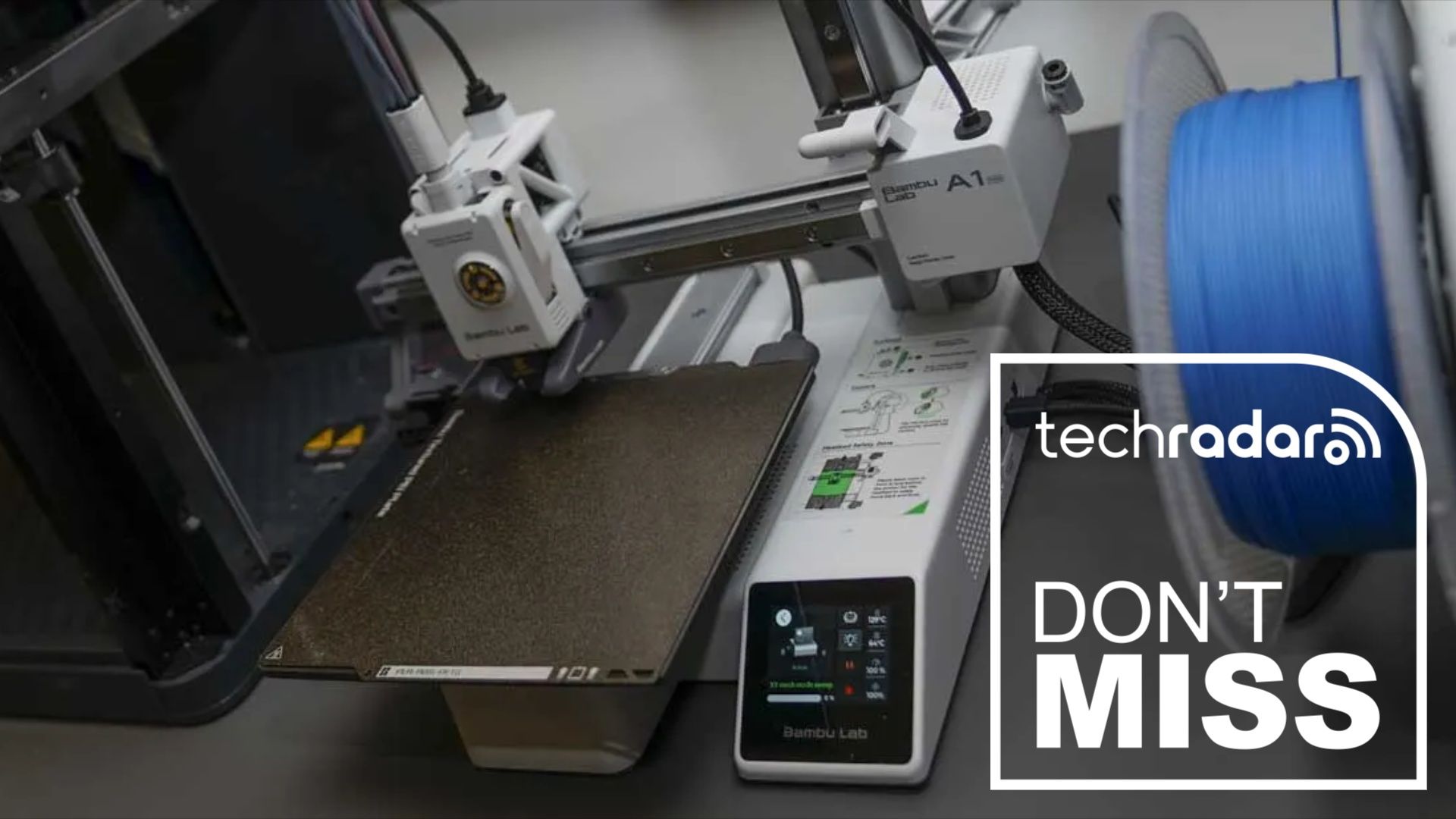
The Bambu Lab A1 mini 'packs a punch in terms of performance and quality' — now our 5-star 3D printer for beginners gets a price cut
A well-reviewed, beginner-friendly 3D printer getting cheaper pushes more prototyping and small-batch production to the edge of the org. Hardware and product teams should assume more experiments will happen on desks and in garages — and tune processes for designs emerging from low-cost printers, not centralized labs.
 Deep & Emerging Tech
Londoners fight a Brick Lane datacentre, and it is not even for AI
Community pushback on a Brick Lane data center for high-frequency trading — not AI — shows that ‘no more server farms here’ is becoming a generalized urban stance. If your roadmap assumes dense city data centers, start mapping alternatives now: edge, suburban sites, or partnerships with existing facilities.
 Deep & Emerging Tech
Samsung Sends Chip Investors on Another Roller Coaster Ride
Samsung’s strong but ‘not strong enough’ earnings show how hyperscaler and AI demand have reset expectations for chipmakers. For operators, this volatility means component pricing and availability could swing faster than your planning cycles — lock in key supply where you can and build alternates into designs.
 Deep & Emerging Tech
Your computer could help researchers while you sleep
Distributed computing projects like BOINC quietly turn idle consumer hardware into real research infrastructure. If you run internal R&D with heavy but parallelizable workloads, this is a reminder to evaluate whether you’re overpaying for peak capacity that could be handled by more elastic, distributed models.