
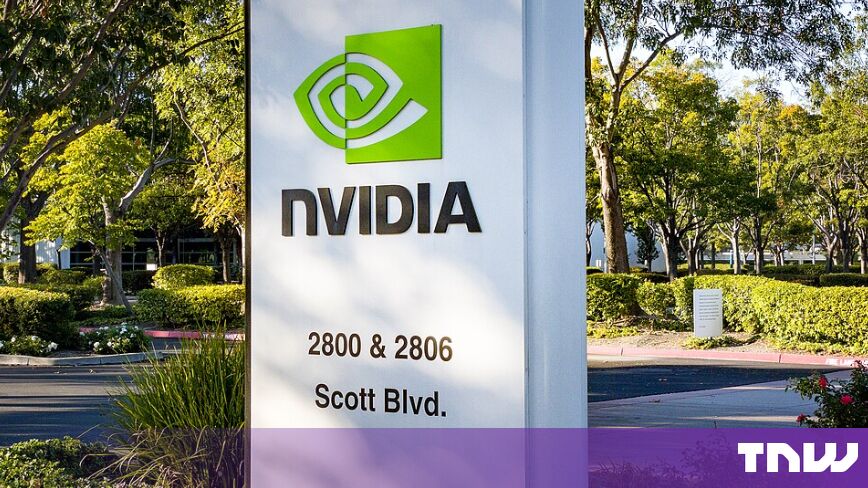
Taiwan Indicts Nvidia Manager Following Chip Smuggling Probe
THE SO WHAT
An indictment of a senior Nvidia manager in Taiwan’s first crackdown on black-market AI accelerators shows export controls are now an operational, not theoretical, constraint. If your roadmap depends on high-end GPUs in gray zones, expect tighter audits, longer lead times, and real personal liability for channel partners.
READ THE SOURCE
MORE FROM THE WIRE
 Deep & Emerging Tech
Taiwan indicts Nvidia manager over chips shipped to China
A criminal indictment over 74 servers with B300s routed into China is a clear signal that export controls are now personal-liability territory, not just a compliance checkbox. If you touch advanced chips in your supply chain, treat routing and resale controls like financial sanctions—tight logs, audited intermediaries, and zero ambiguity on end use.
 Deep & Emerging Tech
Apollo blames social engineering for a four-day breach in July
A four-day breach at a firm like Apollo—exposing names, SSNs, and contact data—shows that social engineering remains the easiest way around even well-funded defenses. If you handle sensitive investor or customer data, treat human-access workflows as your primary attack surface and rehearse response as if a similar letter might have your logo next quarter.
 Deep & Emerging Tech
Guest Post: How One of Europe’s Smallest Countries Became NATO’s Precision Photonics Capital
Lithuania’s 60‑year laser base becoming NATO’s precision photonics hub is another data point that deep-tech clusters form around long-term scientific compounding, not just recent capital. If you rely on advanced optics or photonics — from sensing to quantum-adjacent hardware — assume more of the strategic supply chain and talent will concentrate in a few such defense-aligned regions.
 Deep & Emerging Tech
Canadian SickKids hospital hit again by cyberattacks, more data stolen
Repeat attacks on a pediatric hospital underline how healthcare data has become a persistent, high-value target—patient care continuity is no longer a given even when “systems stay up.” If you run any critical service, assume adversaries will come back after the first breach and budget for continuous hardening, not one-off incident response.