

Taiwan says it was hit by ‘abnormal’ AI-assisted cyber-attack
THE SO WHAT
AI-assisted attacks on Taiwanese government agencies are a live demonstration that offensive actors are already using models to scale targeting and obfuscation. If you operate critical systems, assume your threat model now includes AI-augmented intrusion and invest in anomaly detection, red-teaming, and incident response tuned for machine-generated behavior.
READ THE SOURCE
MORE FROM THE WIRE
 Deep & Emerging Tech
YMTC Passes Kioxia in NAND Shipments for First Time, Report Says
YMTC edging past Kioxia in NAND shipments on the back of AI-driven shortages shows how quickly supply share can shift when demand spikes. If your stack is storage-intensive, you need a view on Chinese memory exposure and potential export or compliance constraints baked into your multi-vendor strategy.
 Deep & Emerging Tech
Foreign investment in Japan's chip industry has reached ~$37B, as government subsidies attract companies working on logic and memory chips and image sensors
Roughly $37B of foreign capital into Japan’s subsidized chip ecosystem is turning the country back into a serious node for logic, memory, and image sensors. For hardware and AI infra planners, Japan now belongs on the shortlist for co-location, partnerships, and supply diversification alongside Taiwan, Korea, and the US.
 Deep & Emerging Tech
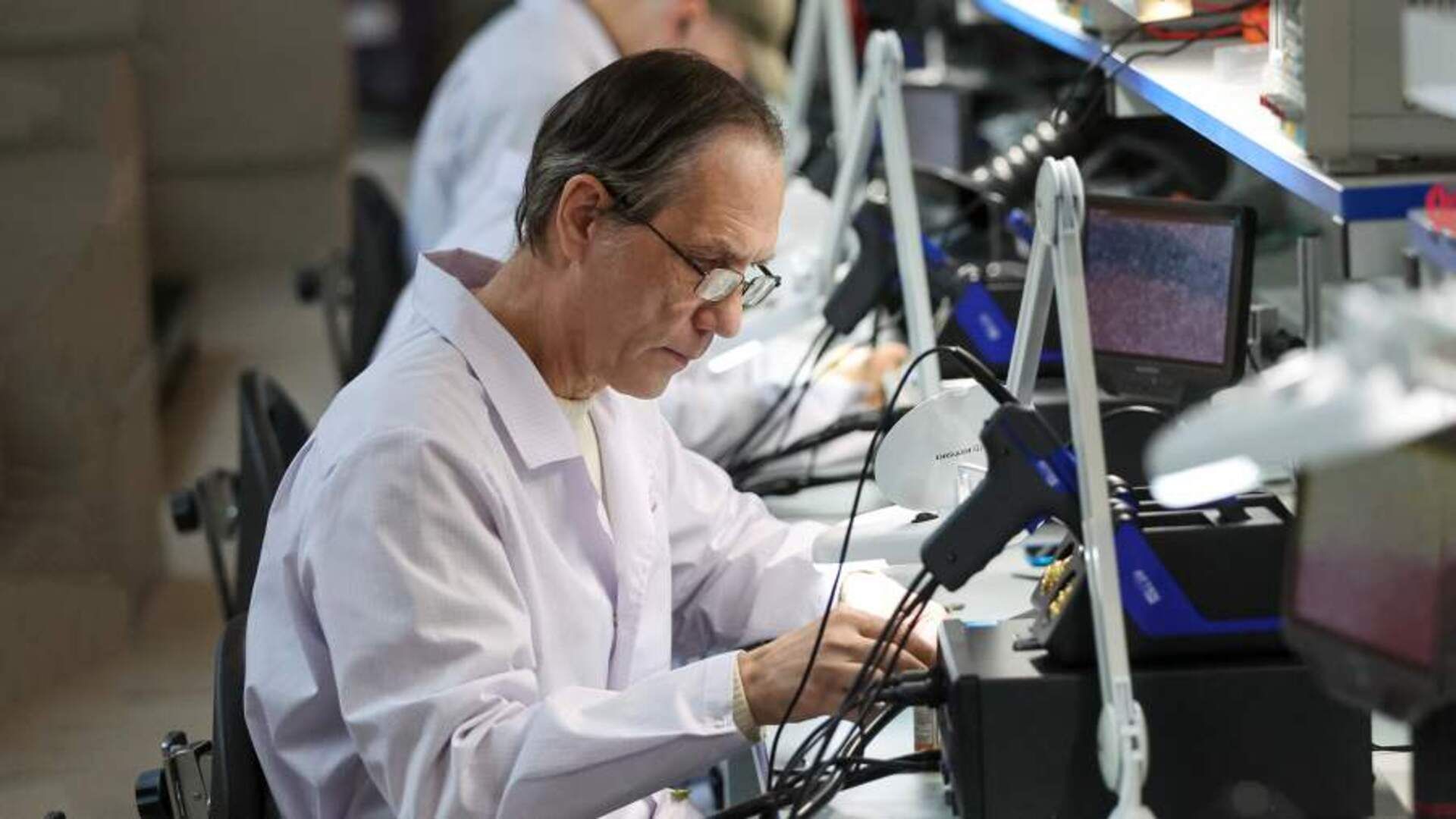
Russian startup claims it could produce silicon wafers in five minutes instead of two weeks, but trillion-dollar IMEC doesn't have to worry
A multicathode electron source that cuts exposure time from weeks to minutes is a reminder that lithography is still open to step-change ideas—just not on a deployment timeline that matters to your 3–5 year capacity planning yet. Treat this as a long-horizon watch item, not a near-term hedge against conventional fab constraints.
 Deep & Emerging Tech
Ukraine claims it found over 5,000 foreign-made components in over 200 Russian weapon systems, with missiles, drones, and armored vehicles particularly concerning
Thousands of foreign components inside 200+ Russian systems show how resilient gray-market supply chains are under sanctions. Hardware and component vendors should assume their parts can end up in conflict zones via indirect channels—compliance, traceability, and reputational risk management are now core to operating in global electronics.