
TCS Plans One-Gigawatt Capacity Data Center in Southern India
THE SO WHAT
TCS committing ₹700B (~$7.4B) for a 1 GW AI data center campus in southern India is hyperscale power planning, not just IT expansion. If you’re modeling long-term AI infra, start treating Indian regions as first-class options for high-density compute, with power and talent advantages but regulatory and grid constraints to map.
READ THE SOURCE
MORE FROM THE WIRE
 Deep & Emerging Tech
Japan says progress made on $550B pact, with AI and chips weighing heavily on the next round
Japan is explicitly steering the next tranche of its $550B US investment pact toward AI and semis while the EU framework lacks a comparable vehicle—capital and capacity will follow that clarity. If you’re siting fabs, data centers, or deep AI R&D, Japan–US corridors may now deserve a different weight than EU options.
 Deep & Emerging Tech
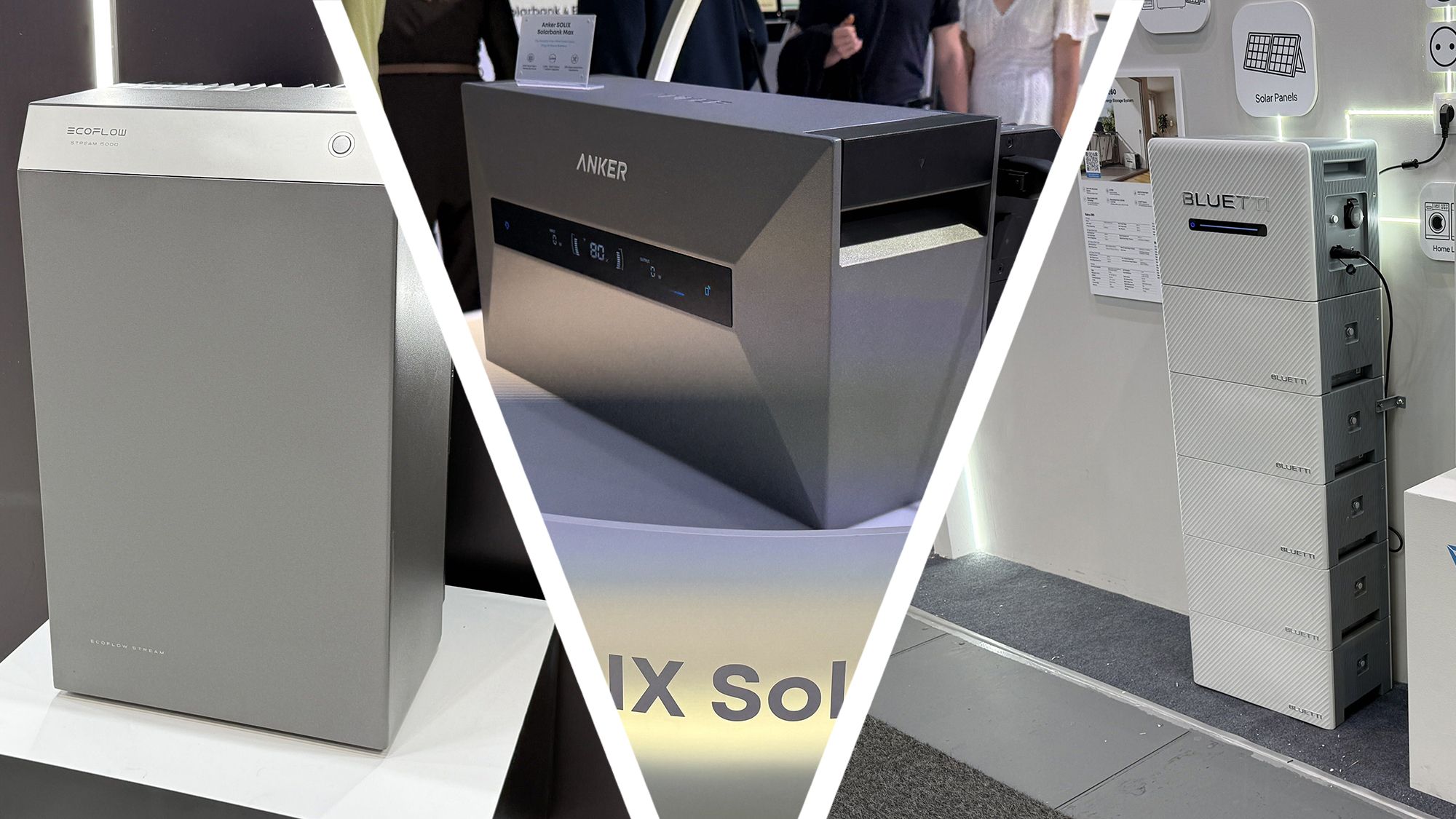
Plug-in solar shone at IFA 2026 —here are the 5 best products we saw, from Anker to DJI and EcoFlow
Plug‑in solar and battery kits from consumer brands mean small sites — retail, pop‑ups, remote teams — can add incremental power without utility‑scale projects. Facilities and IT leaders should start treating portable storage as a standard line item for resilience, not a camping accessory.
Two scientists made huge bets on 'impossible' cancer treatments. They're finally paying off.
The payoff from long‑horizon ‘impossible’ oncology bets is a reminder that real biotech value often comes from decade‑scale conviction, not quarterly milestones. Operators in adjacent fields — including AI‑driven drug discovery — should calibrate investor conversations around timelines that match the biology, not the hype cycle.
 Deep & Emerging Tech
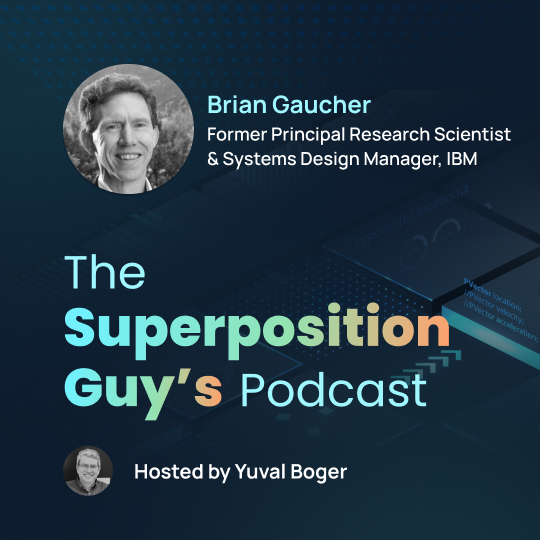
Brian Gaucher (ERVA): Why engineering, not physics, now limits quantum progress
If physics is no longer the bottleneck for quantum and engineering is, timelines shift from speculative to execution-constrained—packaging, control electronics, and error correction become the real work. Hardware, materials, and tooling vendors should be mapping where their existing capabilities can plug into quantum stacks over the next 3–7 years.