

TechCrunch Mobility: AV companies pick their lanes
THE SO WHAT
Autonomy players narrowing to specific use cases — freight, geo-fenced urban, yard logistics — is a reset from ‘general AV’ to domain-specialized businesses. If you touch mobility, design partnerships and integrations around tightly scoped operating domains, not a single AV platform that does everything.
READ THE SOURCE
MORE FROM THE WIRE
 Robotics & Autonomy
Why Humanoid Robots Might Be the Future of Elder Care
A $400 billion long-term care market with only four formal caregivers per 100 seniors is a structural labor gap, not a temporary shortage—humanoid eldercare robots are being aimed directly at that delta. Healthcare operators should start mapping which care tasks are candidates for robotic assistance versus human-only, because reimbursement, regulation, and facility design will follow those lines.
 Robotics & Autonomy
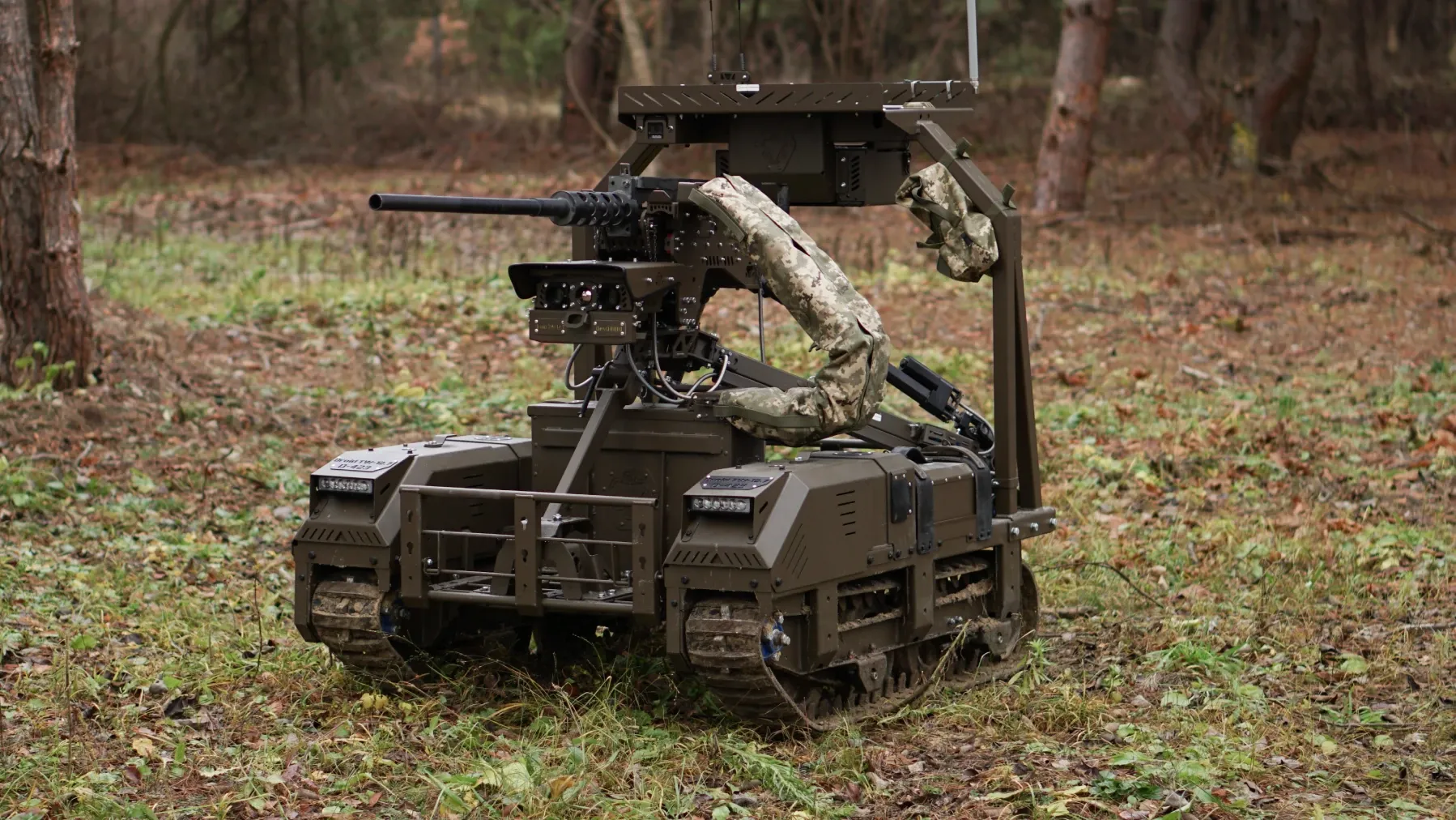
Look, no humans involved! Ukraine used heavy bomber UAVs to deploy unmanned ground vehicles behind enemy lines in shock tactical move
Air-dropping UGVs from bomber drones is a live-fire demo of multi-domain, fully unmanned operations—command, control, and logistics are becoming software problems. Defense and dual-use robotics teams should assume customers will ask for interoperable air/ground stacks, not single-platform point solutions.
 Robotics & Autonomy
Tesla Wants to Build 20,000 Optimus Robots a Week. First It Has to Figure Out Hands
Targeting 20,000 Optimus units per week exposes the real bottleneck in humanoids — reliable, low-cost, automotive-style manufacturing of complex end-effectors. If you operate in logistics or light manufacturing, start mapping tasks where dexterity is the constraint, because once hands are solved, deployment volume becomes a pure capex decision.
 Robotics & Autonomy
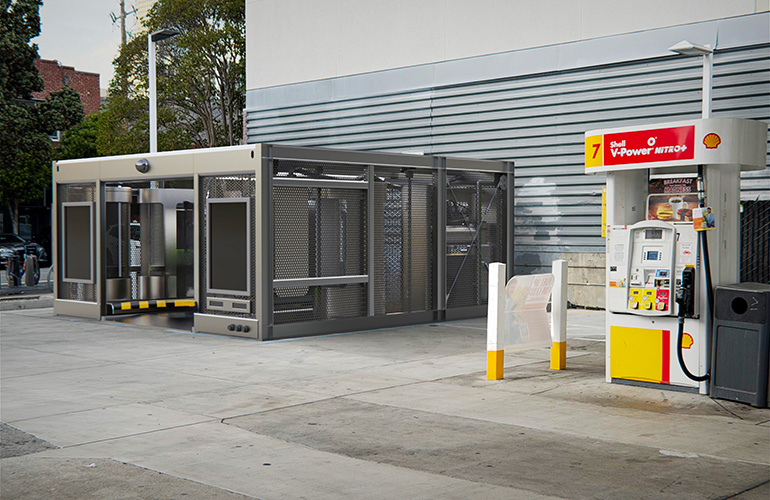
From 14 cities to 15,000: What it will take to scale robotaxis?
The jump from 14 cities to thousands isn’t a software problem — it’s a servicing and local operations problem. If you’re betting on AVs, model your unit economics around dense, fast, local maintenance networks as the gating factor, not just regulatory approval or driving performance.