
Techies have concerns about Claude's hidden watermark. Anthropic has some answers.
THE SO WHAT
Hidden watermarks in Claude outputs move provenance from optional add-on to default behavior—raising questions about privacy, IP, and how AI-assisted work is judged. If your teams use LLMs for external content, you need a policy stance on watermarking now, before regulators or counterparties set one for you.
READ THE SOURCE
MORE FROM THE WIRE
 Applied AI
How AI agents will change how people work — and what they need from a PC
If AI agents become persistent coworkers, the PC stops being a dumb terminal and becomes an execution node for local inference, context, and security. CIOs refreshing fleets over the next 12–24 months should assume higher baseline specs, NPU presence, and different telemetry needs than their last cycle.
 Applied AI
An AI-written article needs no label. Your proofread email gets one
Watermarking that quietly biases token choices rather than stamping outputs is a shift from visible labels to infrastructure-level provenance. If you operate in regulated or high-risk domains, assume you’ll need to log and prove which content was model-generated long before users ever see a badge.
 Applied AI
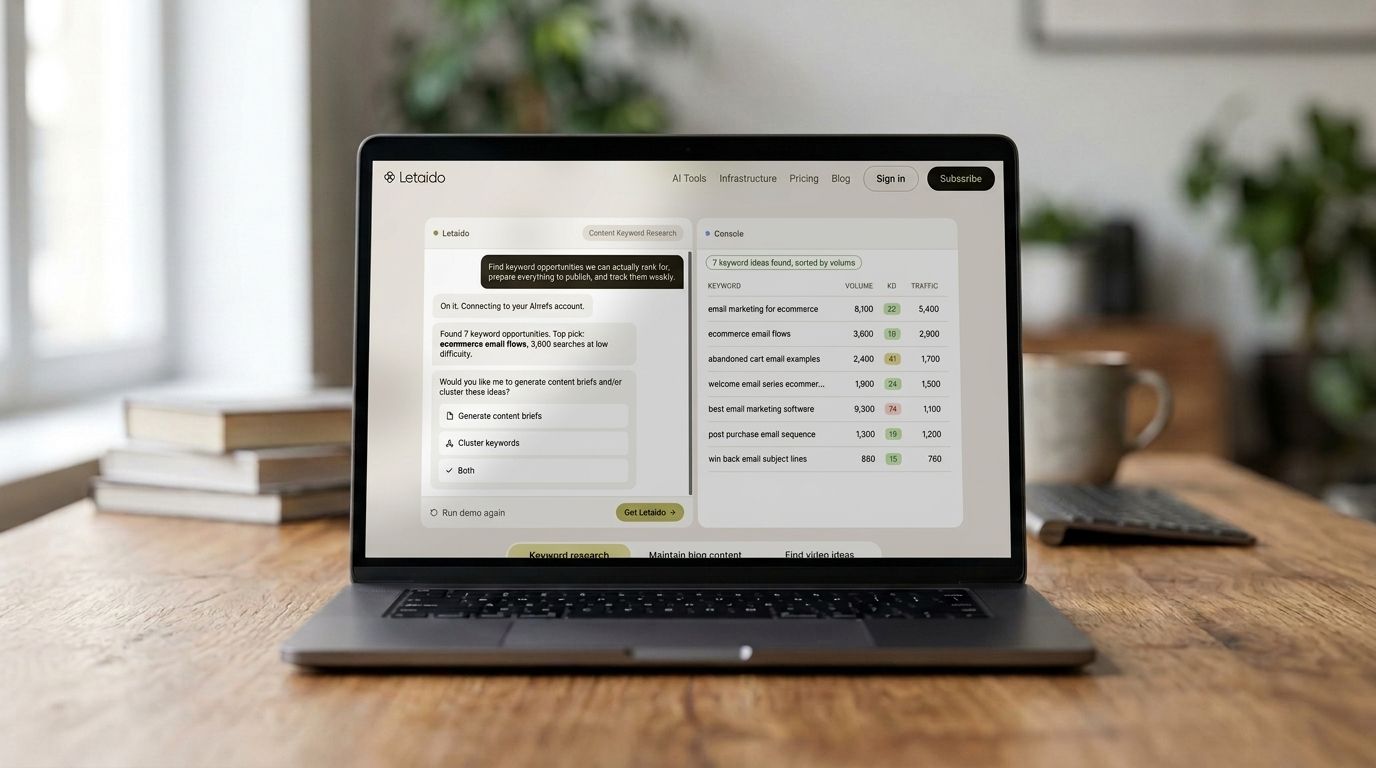
‘A full 40-hour week now takes just 60 minutes’: Ahrefs’ new AI agents promise 'always-on' marketing support
Claims that a 40-hour marketing week collapses into 60 minutes are pure automation marketing—but the real shift is SEO tools turning into always-on execution agents with native data access. If you run growth or content teams, start separating where you need strategy and brand judgment from where agents can safely run continuous campaigns.
 Applied AI
Does Google even want to win at AI?
Debate over whether Google is “losing the AI race” after its DeepMind reorg misses the more important point—incumbents are restructuring to fuse research and product under one roof. For operators, the lesson is governance and integration: your AI efforts will stall if research, infra, and application teams stay siloed.