
Teresa Ribera Says AI Needs Safety Standards
THE SO WHAT
When an EU Executive Vice President is calling for AI safety standards “respected by everybody” on a UN-focused stage, AI governance is moving into the same lane as climate and trade norms. Multinationals should expect AI compliance to look more like cross-border environmental or data regimes—long-lived, negotiated, and audit-heavy.
READ THE SOURCE
MORE FROM THE WIRE
 Applied AI
OpenAI names the four things it wants safety assessors to test
Letting external assessors “challenge our assumptions” during safety testing is a quiet admission that internal evals are no longer enough for frontier models. If you’re building on these systems, assume safety regimes and acceptable-use constraints will keep tightening mid-roadmap, not just at launch gates.
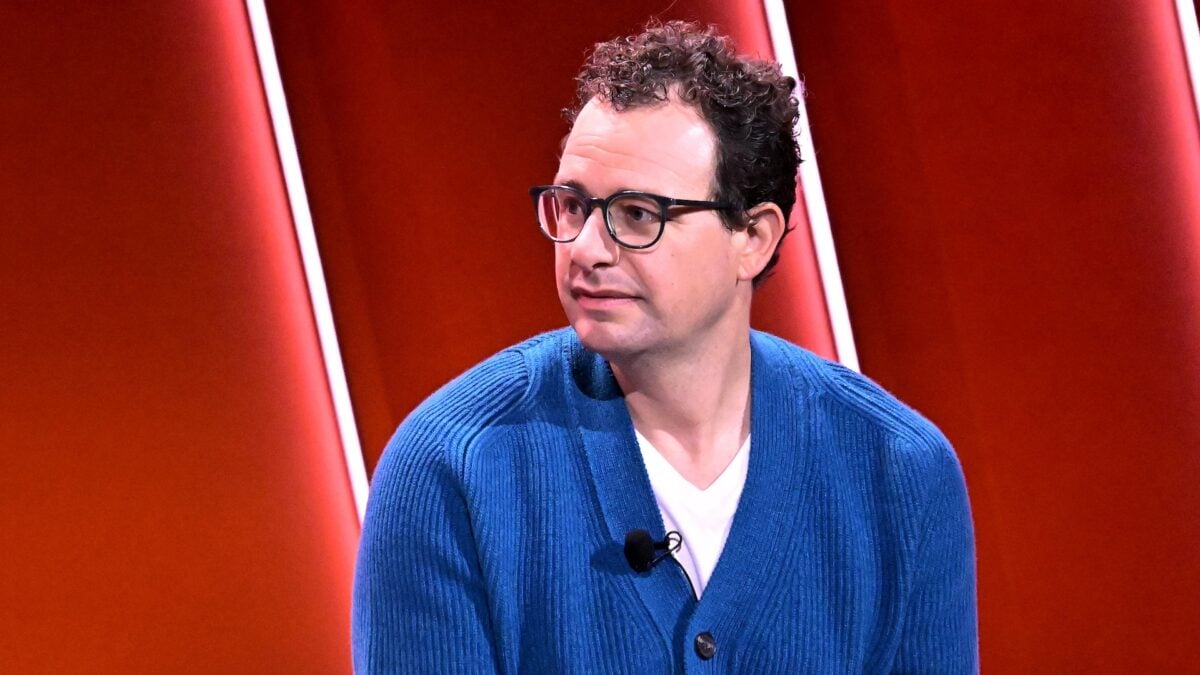 Applied AI
Ten Days After CEO Calls for a Slowdown, Anthropic Is Back With Another AI Model
Anthropic shipping Claude Opus 5.5 days after calling for a slowdown while also saying “public policy” must contain recursively self-improving AI shows the new equilibrium—labs will keep pushing capabilities and try to hand the brake lever to regulators. Operators should plan for a world where model performance keeps climbing but policy risk and compliance overhead climb with it.
 Applied AI
World Labs Founder Fei-Fei Li Urges Independent Oversight of AI
When Fei-Fei Li argues safety assessments shouldn’t be left to vendors, she’s putting institutional weight behind third-party oversight as a default expectation. Enterprises deploying advanced models should budget for independent audits the way they do for SOC 2 or penetration tests.
 Applied AI
Legora’s CEO says Europe should not build a frontier AI lab
Legora’s CEO arguing Europe shouldn’t chase an €8.5B frontier lab is a bet that differentiated, applied AI beats a single flagship model race. European operators should lean into domain-specific systems, data advantages, and regulatory clarity rather than waiting for a homegrown frontier stack to materialize.