

Tesla is building Superchargers only its robotaxis can use, five years after opening them
THE SO WHAT
Dedicated robotaxi Superchargers mark a shift from “open network” to fleet-priority infrastructure—charging is becoming a strategic asset, not just a service. Fleet operators should assume future EV infra deals will bake in access tiers and start modeling the cost of being second-class on someone else’s network.
READ THE SOURCE
MORE FROM THE WIRE
 Robotics & Autonomy
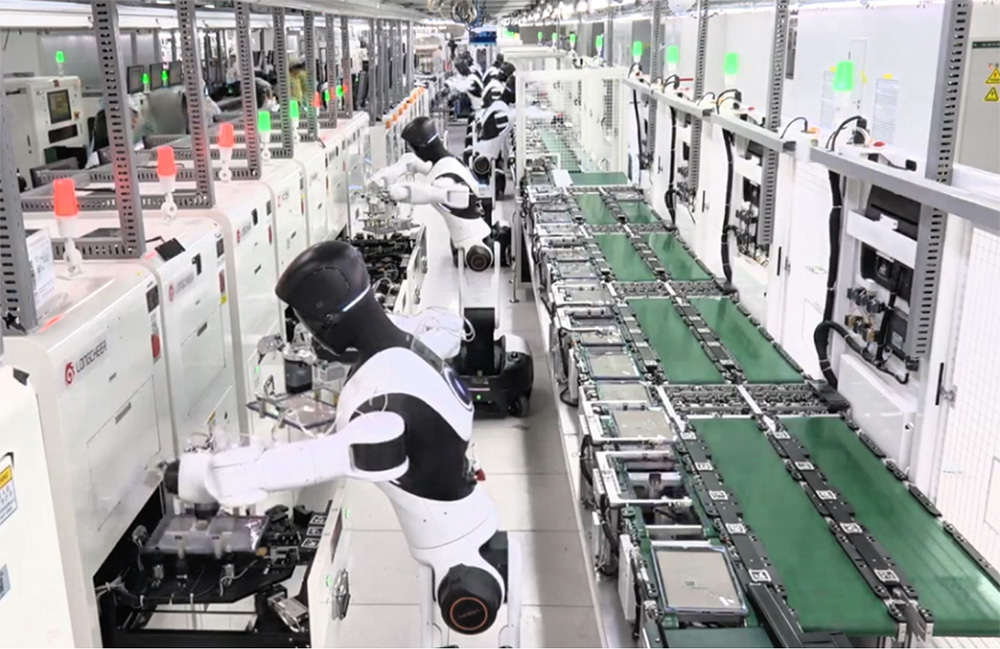
AGIBOT to explain how to scale humanoids from the lab to the real world at RoboBusiness
The center of gravity in humanoids is shifting from mechatronics to use-case selection and developer ecosystems. If you run high-labor, semi-structured environments, you should be mapping tasks now so you can plug into these platforms once the first viable stacks stabilize.
 Robotics & Autonomy
How India Is Training The Robots Of The Future
Using Indian workers with iPhones to train humanoid robots shows that “real-world data” is becoming a global labor market, not just a sensor problem. If you’re in robotics, you now have to design not only your autonomy stack but your human-in-the-loop labeling and teleoperation workforce strategy.
 Robotics & Autonomy
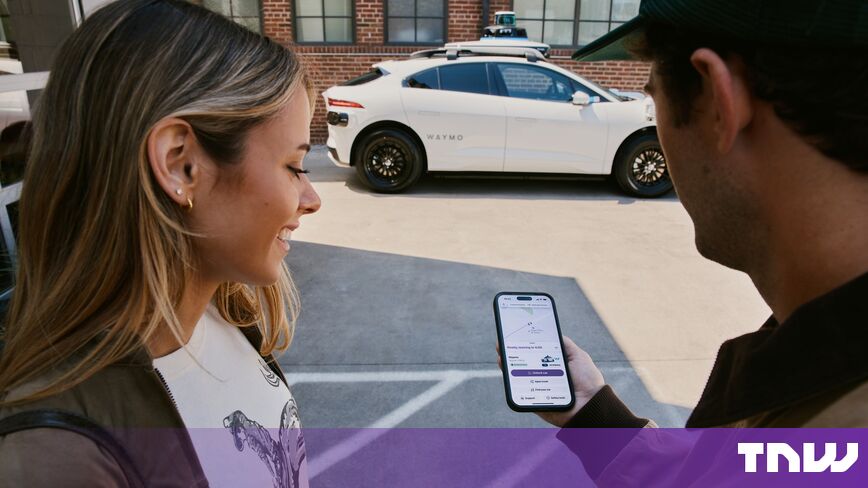
Waymo robotaxis go live on the Lyft app in Nashville
Waymo running the same driverless fleet through both its own app and Lyft in Nashville shows autonomy is becoming a wholesale supply layer, not just a branded service. Mobility operators should plan for a world where AV capacity is a commodity input and differentiation shifts to routing, bundling, and customer ownership.
 Robotics & Autonomy
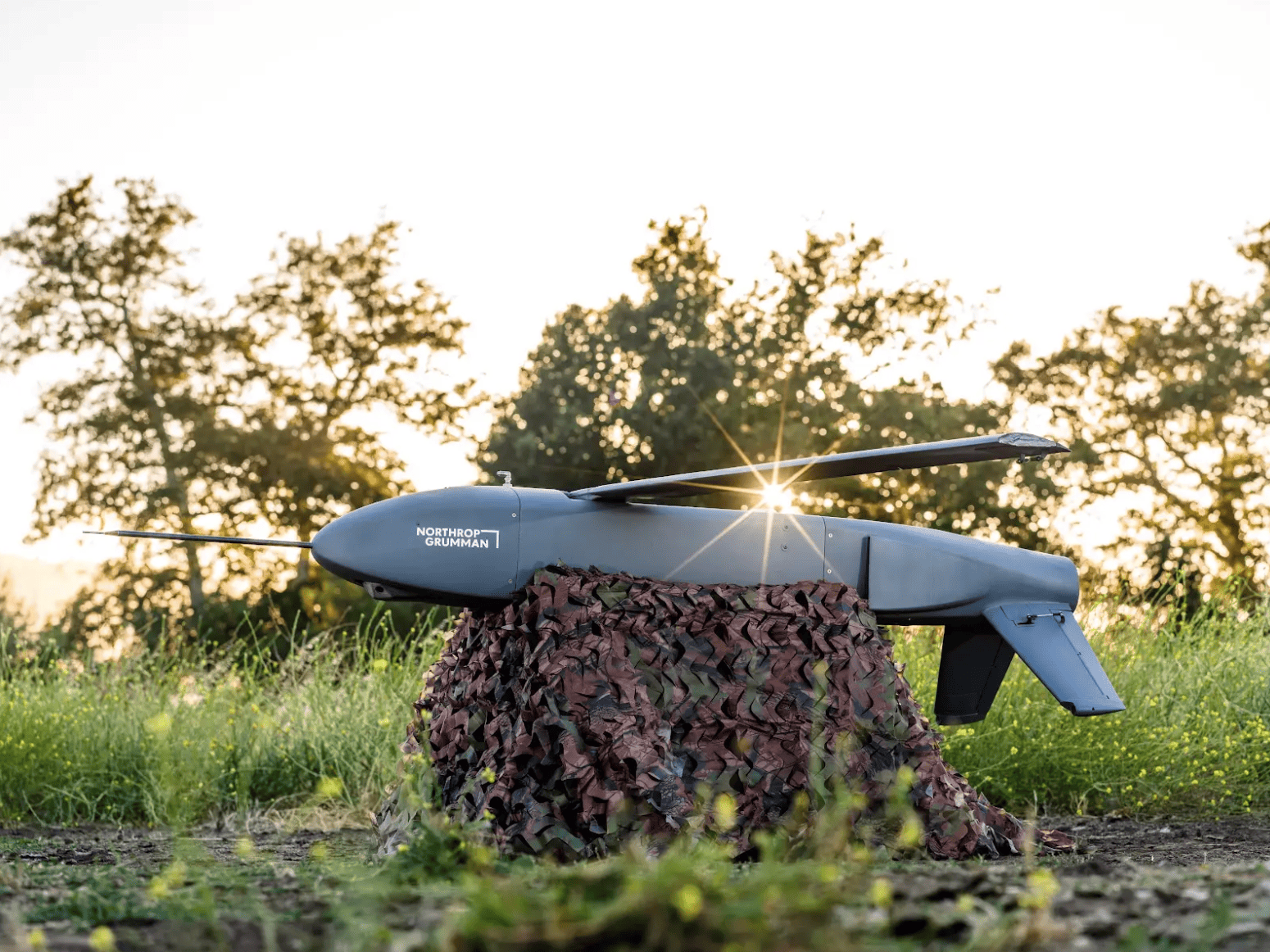
SandboxAQ Tests GPS-Free Navigation on Northrop Grumman Drone
GPS‑free navigation on an attritable one‑way drone shows how quickly resilient, spoof‑resistant guidance is moving from theory into deployed systems. Any operator depending on GPS—logistics, aviation, autonomy—should be evaluating alternative navigation stacks before jamming and outages force the issue.