

Tesla opens Cybercab pre-orders ‘for personal use,’ with geo restrictions and a $299 monthly fee
THE SO WHAT
A $299/month subscription with geo fences turns Tesla’s robotaxi narrative into a premium, quasi-lease product for now — not a ubiquitous autonomy network. If you’re planning around AV-driven cost compression in mobility or delivery, treat this as a constrained pilot, not a pricing benchmark.
READ THE SOURCE
MORE FROM THE WIRE
 Robotics & Autonomy
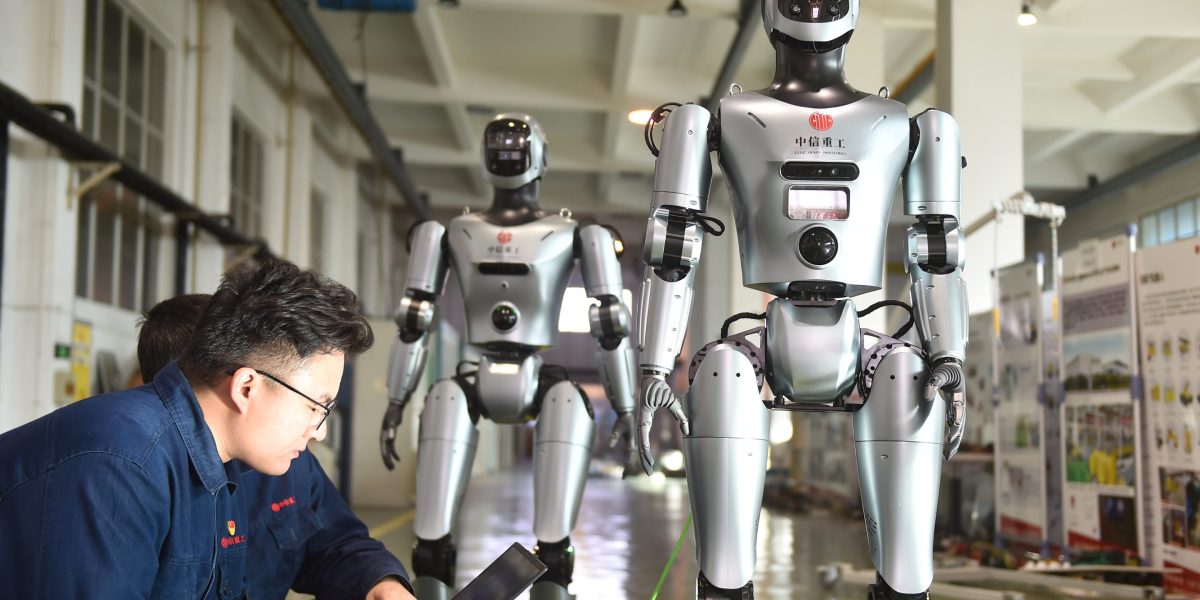
Video Friday: NASA PROMISEs a New Moon Rover
NASA’s new Moon rover work is another data point that autonomy is maturing in the harshest environments — vacuum, latency, and limited power. Lessons from these systems will trickle back into terrestrial robotics, especially for mining, construction, and remote inspection where human access is costly or impossible.
 Robotics & Autonomy
OpenAI disbands its standalone robotics team, moving its staff to research and Applied units, saying models like GPT-6 Astra can be directly applied to robotics
The bet is that frontier general models are now good enough to be the robotics brain, so the work shifts from bespoke robotics research to productizing perception and control on top of GPT-6/Astra. If you’re building embodied systems, assume the foundation model layer will be shared with everything else — your edge is in data, hardware integration, and safety envelopes, not your own language model.
 Robotics & Autonomy
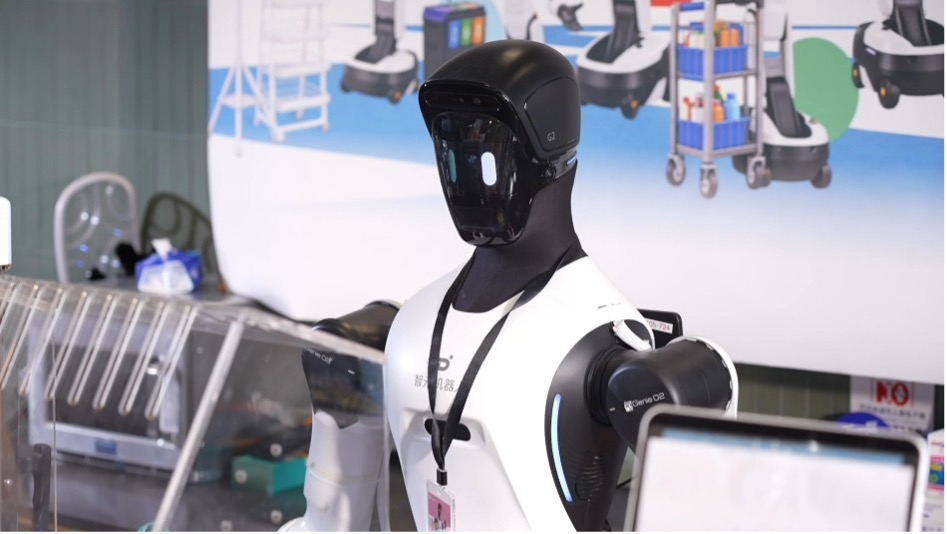
Six AGIBOT G2 Robots Complete 1,730 Tasks in 24-Hour Shanghai Convenience Store Trial
1,730 tasks in 24 hours — with four of six robots passing assessment — is a concrete data point that embodied AI is moving from demo to shift work in retail. If you operate high-labor, repetitive environments, start mapping which tasks could be offloaded to robots under human supervision and what data you’d need to train them on your workflows.
 Robotics & Autonomy
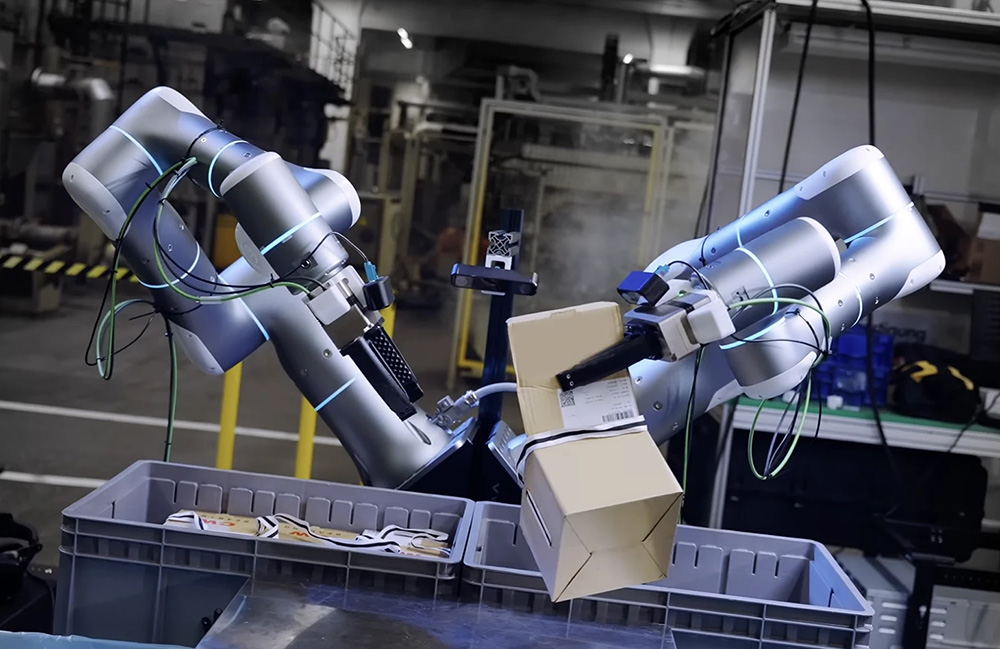
How Rhoda AI is using video data to create generalized AI models for robots
Direct video action models that generalize across robots are an early step toward a shared “motor cortex” for physical systems. If you run fleets of heterogeneous robots, watch this space—training once on video and deploying across platforms could collapse your integration and programming costs.