

Tesla renames ‘Full Self-Driving’ to ‘Tesla Assisted Driving’ in Europe
THE SO WHAT
Renaming “Full Self-Driving” to “Tesla Assisted Driving” under regulatory pressure is a clear signal that autonomy marketing is now a compliance surface, not just branding. Any company shipping advanced driver assistance or physical autonomy should audit product names and claims before regulators do it for them.
READ THE SOURCE
MORE FROM THE WIRE
 Robotics & Autonomy
Wayve and Stellantis tune one AI driver for Fiat, Jeep and Maserati
Wayve and Stellantis aiming one AI driving stack across Fiat, Jeep, and Maserati points to OEMs treating autonomy as a shared software layer, not a model-per-nameplate feature. If you're in auto or mobility, plan for cross-brand platforms and data pooling to be the norm, with differentiation moving to UX and services.
 Robotics & Autonomy
From Anthropic to Waymo: Kleiner Perkins Bets on AI’s Next Act
Top-tier venture is explicitly rotating from pure software AI into "physical AI"—autonomy, robotics, AVs—as the next trillion-dollar surface. If you run a business with repetitive physical workflows, assume your cost structure will be benchmarked against AI-augmented or robotic alternatives within a few planning cycles.
 Robotics & Autonomy
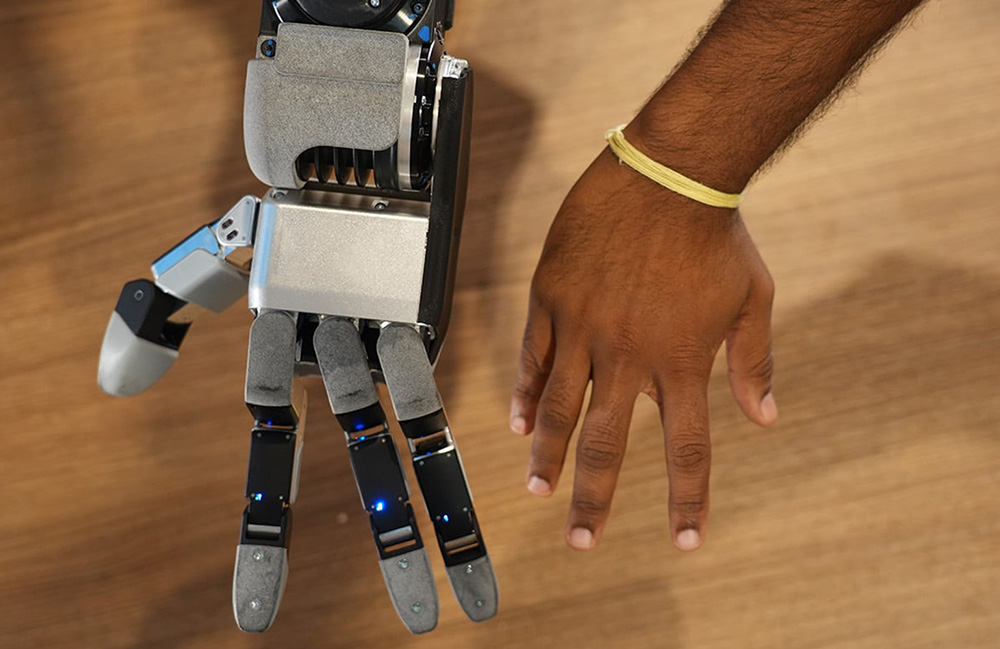
Boston Dynamics gives more insight into its redesigned humanoid hand
Boston Dynamics talking publicly about Atlas’s new hand is a tell that manipulation, not locomotion, is the current frontier. If you’re scoping humanoid use cases, anchor on what today’s grippers can reliably pick, place, and operate—not on marketing reels of parkour.
 Robotics & Autonomy
Danu Robotics’ fight to build a better recycling robot
Six years grinding on waste-sorting is a reminder that field robotics is a materials and edge-case problem, not just a vision model problem. Municipalities and waste operators should be thinking in 5–10 year deployment horizons with tight co-design, not quick plug-and-play automation.