
Tesla says Cybercab rides are available in limited areas of Austin; the two-seater has no steering wheel or pedals, and 45 Cybercabs are registered in Texas
THE SO WHAT
A steering‑wheel‑less, pedal‑less Cybercab running limited routes in Austin is a live test of both autonomy performance and regulatory tolerance, not a scaled service. If you operate in mobility or urban infrastructure, start mapping where your city would draw the line on similar deployments and who actually has the pen on those approvals.
READ THE SOURCE
MORE FROM THE WIRE
 Robotics & Autonomy
Tesla is asking people if they want to buy and run Cybercab fleets
Tesla floating Cybercab fleet purchasing turns robotaxis into a potential franchise-style asset play rather than a fully centralized network. If autonomy clears regulatory hurdles, expect a wave of small operators and local fleets—plan for fragmented partnerships, not just a single platform gatekeeper.
 Robotics & Autonomy
The Cybercab is Tesla’s ‘fork in the road’ moment
A purpose-built, no-steering-wheel Cybercab is a bet that full autonomy and fleet economics will matter more than consumer driving experience. Cities, insurers, and fleet operators should treat this as a signal to accelerate their own autonomy scenarios and regulatory playbooks.
 Robotics & Autonomy
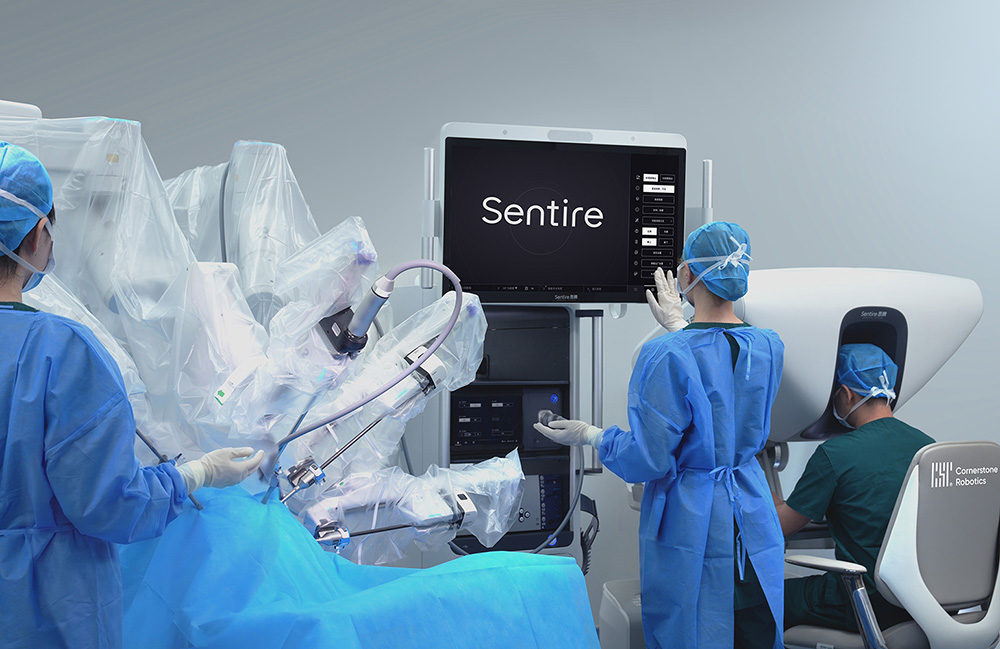
Medtronic invests $700M in surgical partner Cornerstone Robotics
A $700M bet on Cornerstone’s Hugo and Sentire platforms says multi-port robotic surgery is moving from optional to expected in hospital capital plans. Device makers and hospital systems should assume robotics integration — data, training, maintenance — is now a core part of the surgical services P&L, not a sidecar.
 Robotics & Autonomy
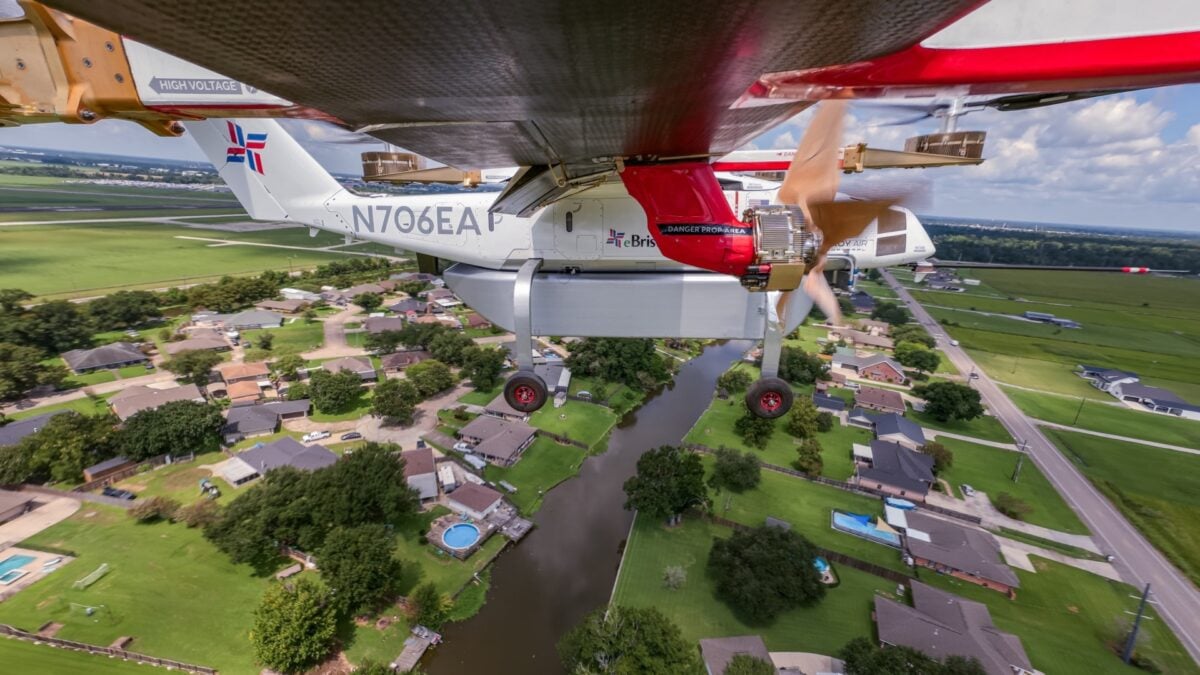
A Cargo Plane With No Pilot Just Completed a Series of Flights Over a Small Louisiana Town
Autonomous cargo flights under DOT and FAA programs move autonomy from demos to regulated corridors—air freight lanes may become one of the first scaled, economically meaningful autonomy markets. If your supply chain depends on time-sensitive air cargo, start mapping which routes could be first to see cost and reliability shifts.