
Tesla's Cybercab launch catches the eye of US auto safety regulator
THE SO WHAT
Robotaxis are moving from tech story to regulatory test case—NHTSA auditing Tesla’s self-certification hours after launch in Austin shows that deployment velocity will be gated by compliance muscle, not just autonomy stack quality. If you’re planning AV or high-autonomy pilots, budget time and headcount for pre-emptive regulator engagement, not just post-hoc reporting.
READ THE SOURCE
MORE FROM THE WIRE
 Robotics & Autonomy
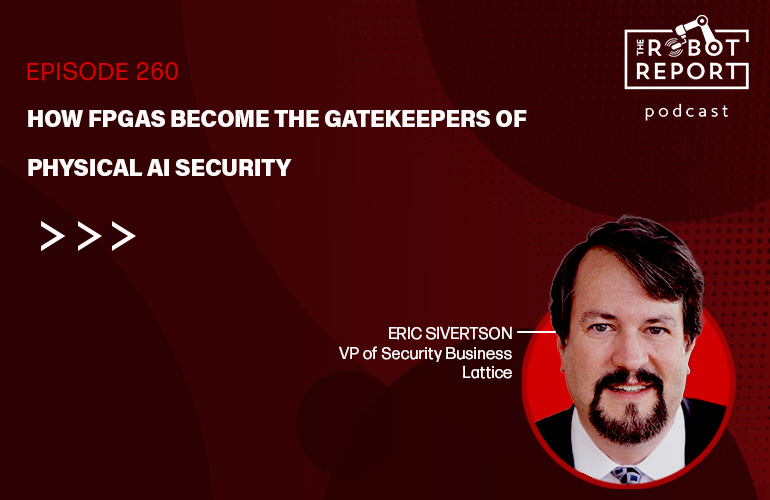
How FPGAs become the gatekeepers of physical AI security
Putting deterministic FPGA guardrails in front of robotic systems is a bet that safety needs hard real-time constraints, not just software policies. If you deploy physical AI — factory, logistics, medical — start asking vendors where control actually lives: in a reconfigurable chip, in the model, or in the cloud.
 Robotics & Autonomy
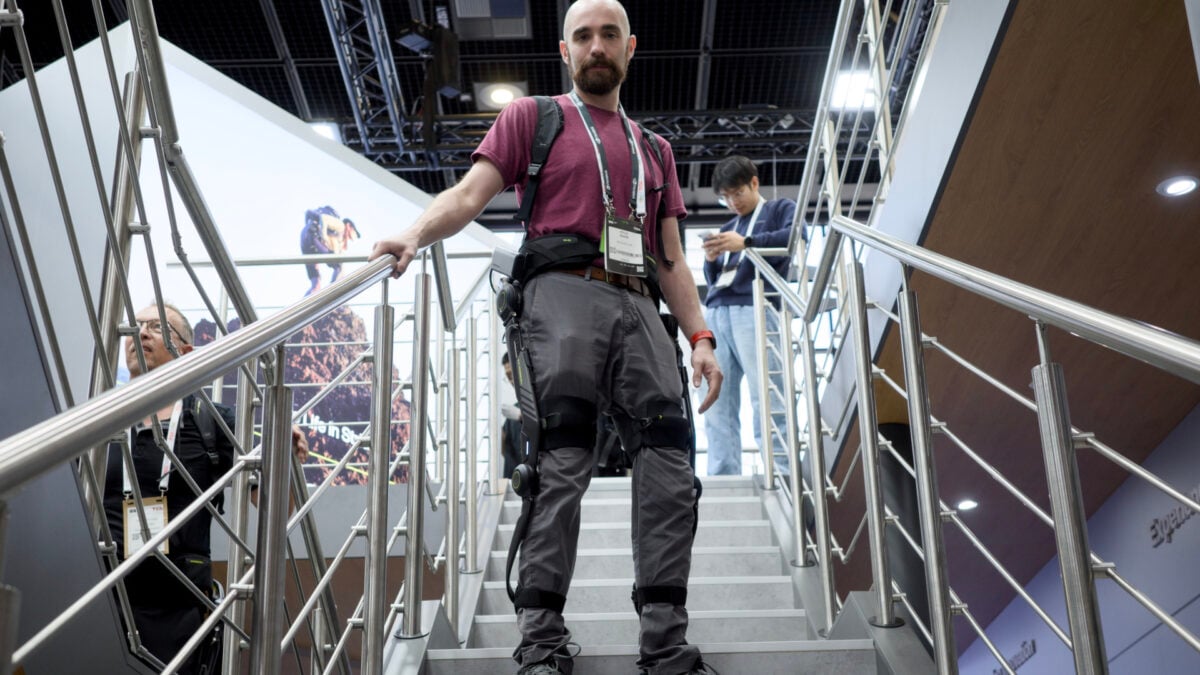
This Hiking Exoskeleton May Actually Help Your Bad Knees, Finally
Consumer exoskeletons creeping into recreational use—like Hypershell Halo for hiking—are a preview of how assistive robotics will normalize before they hit industrial scale. If you operate in logistics, construction, or field work, start watching user acceptance and failure modes here as a low-stakes proxy for your future workforce gear.
 Robotics & Autonomy
No little kids allowed, and other new info about Tesla’s Cybercab
Age-based exclusions for Cybercab rides show how liability and edge-case risk are shaping robotaxi product design more than pure demand. If you’re building autonomy services, expect regulators and insurers—not UX teams—to define your first real addressable market segments.
 Robotics & Autonomy
Video Friday: Digit Redecorates
Humanoids like Digit casually handling tasks like redecorating in public demos are training the market to see them as general-purpose labor, not factory novelties. If you run facilities or logistics, now is the time to inventory repetitive, semi-structured tasks that could be offloaded to a humanoid within 2–3 years.