

The AI memory shortage reached your phone bill, so T-Mobile will let you pay it off slower
THE SO WHAT
When a carrier stretches taxes and fees over 36 months and blames AI memory costs, you’re seeing downstream inflation from the AI hardware race hit consumer finance. Device-heavy businesses should revisit upgrade cycles and subsidy models now—component-driven price pressure is no longer theoretical.
READ THE SOURCE
MORE FROM THE WIRE
 Tech & Innovation
‘A football playground built for you and your friends’: The Grounds in FC 27 is EA’s answer to NBA 2K’s The City — and it could be just what the franchise needs
EA is doubling down on live-service social worlds — The Grounds is less about football simulation and more about persistent engagement and cosmetics. If you run a game or fan product, assume the competitive bar is now “own the hangout,” not just “own the match.”
 Tech & Innovation
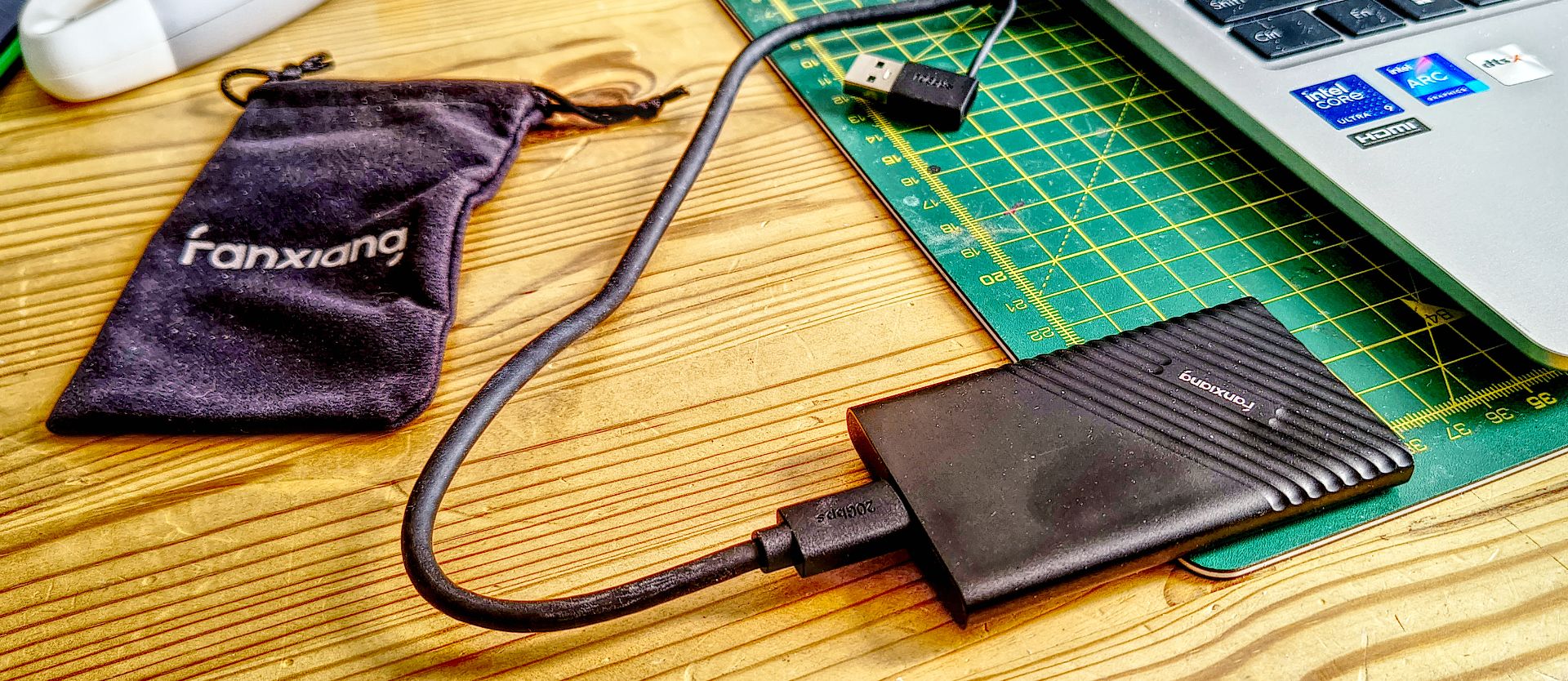
Fanxiang PS2000W review: A solid portable SSD that's another victim of the rising memory prices
Rising memory prices are turning high-speed portable SSDs like the PS2000W into margin squeeze points rather than cheap throw-ins. If your product or workflow assumes abundant, low-cost flash, revisit BOMs and storage tiers before this rolls into your unit economics.
Microsoft is retiring its peer-feedback tool as it overhauls employee reviews, an internal message shows
Microsoft retiring a once-celebrated peer-feedback tool signals that even “kinder, gentler” performance systems get re-architected when they stop serving execution. If your review process is built around tools rather than decisions, expect similar pressure to simplify and tighten the signal path.
'This place is crazy': Ex-Apple engineer's texts highlight OpenAI's AI-centric workplace
The real story isn’t the lawsuit drama—it’s that high-end talent is now openly comparing cultures on one axis: how central AI is to the work. If you want to hire out of Big Tech, your AI posture and internal tooling now function as a recruiting narrative, not just a tech stack choice.